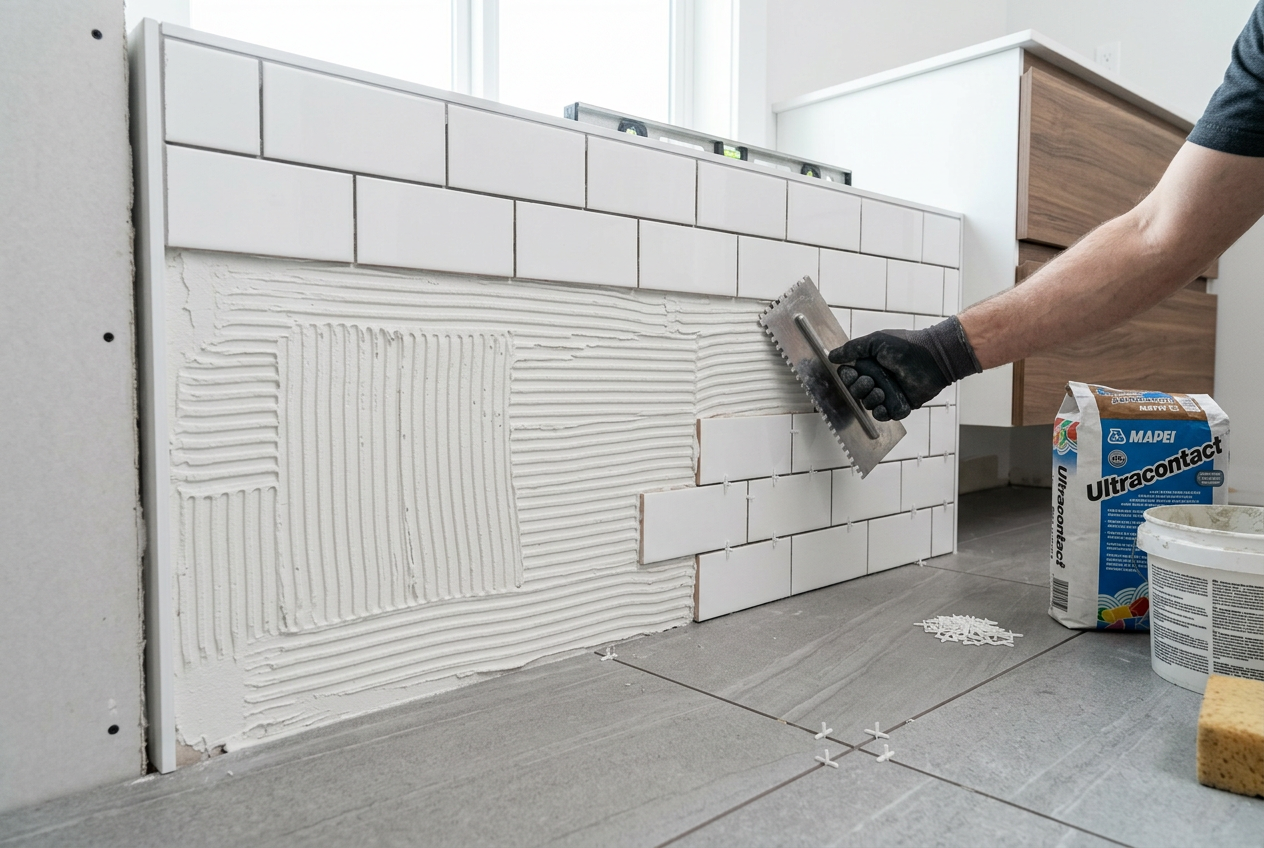
Getting the backing board right is one of the most important steps in any wet-area tiling job. Use the wrong product and you risk swelling, mould, tile failure, and even a breach of the NZ Building Code. Here's what you need to know before you start.
Why Backing Board Matters in Wet Areas
Standard plasterboard (the kind used on most interior walls) is not suitable behind tiles in showers, baths, or other wet areas. When moisture gets through grout or tile edges — and it will over time — regular plasterboard absorbs water, swells, and breaks down. This leads to loose tiles, mould growth, and costly repairs.
The NZ Building Code clause E3 (Internal Moisture) requires that wet areas are constructed to prevent moisture from damaging the building. Choosing an appropriate substrate is a key part of meeting this requirement.
The Main Types of Wet-Area Backing Board
Fibre Cement Board
Fibre cement sheet is the most widely used backing board for tiled wet areas in New Zealand. It is made from cement and cellulose fibres, is dimensionally stable when wet, and provides an excellent bonding surface for tile adhesive.
- Brands available in NZ include James Hardie (HardieBacker) and similar products at Bunnings and Mitre 10
- Typically available in 6 mm and 9 mm thicknesses
- Must be fixed correctly to studs or a solid substrate with appropriate screws and jointing tape before tiling
- Edges and joints should be treated with a waterproof membrane or tape as part of the waterproofing system
Foam/Tile Backer Boards (XPS Core)
Lightweight foam-core backer boards (often with a fibreglass mesh face) are growing in popularity, especially for shower walls and floors. They are fully waterproof through the core, easy to cut, and have good thermal properties.
- Products like Wedi, Schluter Kerdi-Board, and similar are available through tile suppliers and some hardware stores
- Slightly more expensive than fibre cement but faster to install and inherently waterproof
- Joints still need to be sealed with compatible waterproofing tape and membrane
Moisture-Resistant Plasterboard
Moisture-resistant (MR) plasterboard — sometimes called "green board" — is treated to resist incidental moisture but is not suitable as the sole substrate in a shower or bath surround. It may be acceptable in lower-splash zones (such as a bathroom wall away from the shower) but always check the tile adhesive and waterproofing manufacturer's specifications.
GIB produces moisture-resistant plasterboard options for bathroom use — refer to their technical literature for approved applications.
Comparison: Which Board for Which Situation?
| Situation | Recommended Board |
|---|---|
| Shower walls (direct water contact) | Fibre cement or foam backer board |
| Bath surround/splash zone | Fibre cement or foam backer board |
| Bathroom walls (low splash, tiled) | Fibre cement or MR plasterboard |
| Shower floor (tiled, over timber frame) | Fibre cement (check thickness) or foam board |
| Concrete slab floor | Tile direct or self-levelling compound |
Waterproofing: The Board Is Only Part of the System
The backing board alone does not make a wet area waterproof. Under NZ Building Code clause E3, a continuous waterproof membrane must be applied over the substrate in shower areas and other high-wet zones before tiling. This is a critical step that many DIYers overlook.
Waterproofing membranes from manufacturers like Ardex, Mapei, and Sika are applied by brush or roller over the prepared substrate, with extra reinforcing tape at corners and joints. Always follow the manufacturer's application and drying instructions, and check that your tile adhesive is compatible with the membrane system you choose.
BRANZ provides excellent technical guidance on wet-area construction and waterproofing systems for New Zealand conditions.
Installation Tips for Homeowners
- Fix boards to studs at the correct centres — check the board manufacturer's specifications
- Use corrosion-resistant screws (fibre cement boards will corrode standard steel screws quickly)
- Tape all joints with alkali-resistant fibreglass mesh tape before applying waterproofing
- Allow the waterproofing membrane to fully cure before tiling — rushing this step is a common mistake
- In shower floors over a timber subfloor, ensure adequate fall to the drain is built into the substrate before boarding
When to Call a Professional
While a competent DIYer can install backing board and waterproofing, wet-area tiling is one area where mistakes are expensive and sometimes invisible until serious damage has occurred. Consider hiring a qualified tiler if:
- You are unsure about the existing framing, subfloor condition, or moisture damage
- The project involves a full shower refit or new bathroom build
- You need a producer statement or building consent — some council-notified work requires sign-off
- You want confidence the work meets the NZ Building Code and won't void your home insurance
A licensed tiler will know which systems are compliant and can take responsibility for the waterproofing. You can find qualified local tilers on tradedirectory.co.nz.
Note: Any associated plumbing work (moving waste pipes, installing new shower drains) must be carried out by a licensed plumber registered with the Plumbers, Gasfitters and Drainlayers Board. This is restricted work under NZ law.