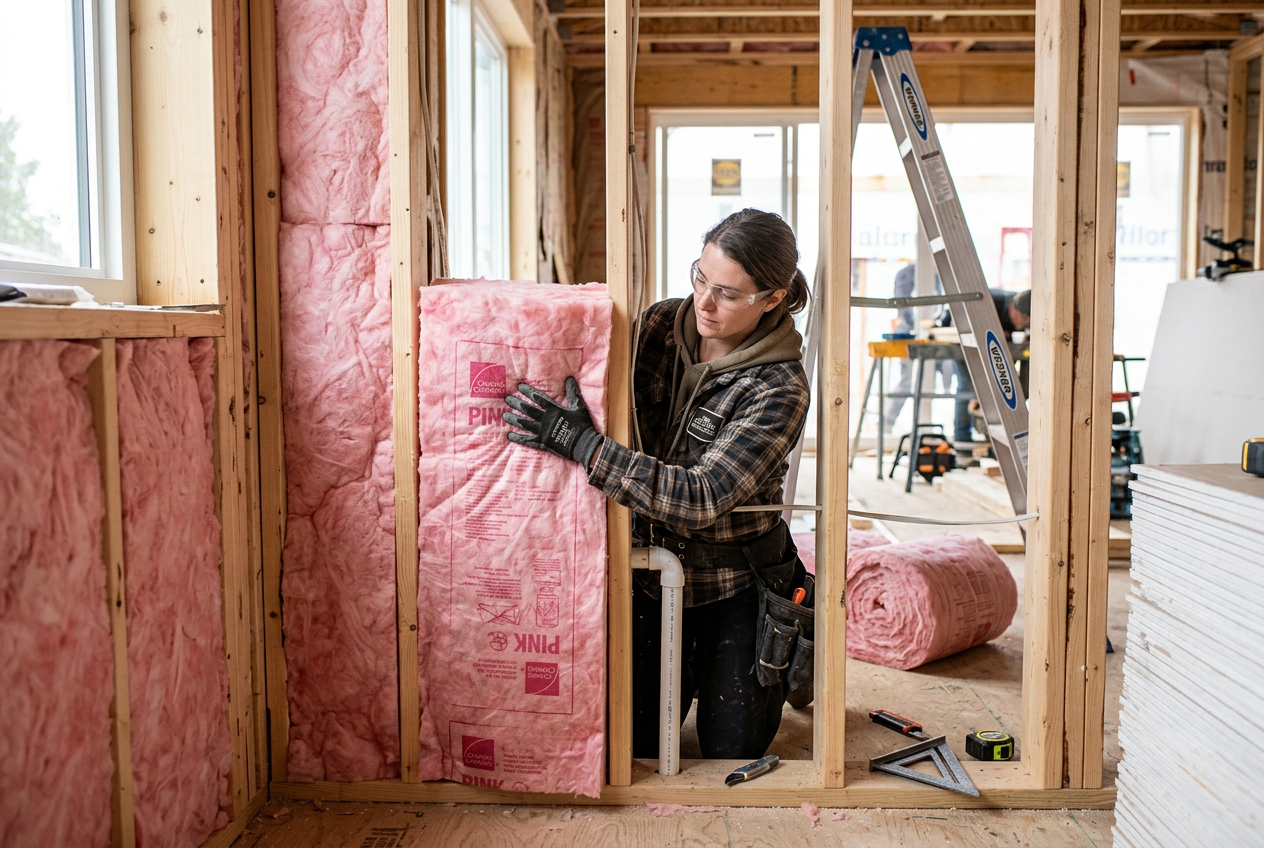
If you're a landlord in New Zealand, meeting the Healthy Homes Standards isn't optional — it's the law. The insulation requirements are one of the most important parts of these standards, and getting them right protects your tenants, your investment, and keeps you on the right side of the Tenancy Tribunal.
What Are the Healthy Homes Standards?
The Healthy Homes Standards came into force under the Residential Tenancies Act and set minimum requirements across five areas: heating, insulation, ventilation, moisture ingress and drainage, and draught stopping. This article focuses on the insulation standard, which covers ceiling and underfloor insulation in most residential rental properties.
Compliance Deadlines — Where Things Stand
All private rental properties were required to comply with the Healthy Homes insulation standard by 1 July 2025 (or within 90 days of a new tenancy starting, whichever came first). If you haven't yet assessed your rental, now is the time to act. Community housing providers and Kāinga Ora have their own compliance timelines — check Tenancy Services for the latest dates.
Ceiling Insulation Requirements
The required R-value (a measure of thermal resistance) for ceiling insulation depends on which climate zone your property sits in. New Zealand is divided into three climate zones under the standard:
| Climate Zone | Region Examples | Minimum Ceiling R-value |
|---|---|---|
| Zone 1 | Northland, Auckland, Coromandel | R2.9 |
| Zone 2 | Waikato, Bay of Plenty, Wellington, Nelson | R3.3 |
| Zone 3 | Central Plateau, Canterbury, Otago, Southland | R3.3 |
Insulation must be installed to cover the full ceiling area, with no gaps, and must be in reasonable condition — damaged, wet, or compressed insulation may not meet the standard even if it's technically present.
Existing vs New Insulation
If your property already has ceiling insulation installed after July 2016, it may already meet the standard — provided it was installed to the R-value requirements of the time and is still in good condition. Older insulation should be assessed carefully, as it may have settled or deteriorated.
Underfloor Insulation Requirements
For properties with a suspended timber floor (i.e., a subfloor space underneath), underfloor insulation is required with a minimum R-value of R1.3. The insulation must be securely fixed so it doesn't sag or fall, and must cover the full underfloor area where accessible.
Concrete slab floors are generally exempt from the underfloor insulation requirement, as are floors where access is not reasonably practicable.
Underfloor Insulation Options
Common products used in NZ rentals include:
- Polyester batts — easy to handle, no itch, good for DIY-accessible subfloors
- Glasswool batts — widely available at Bunnings and Mitre 10, cost-effective
- Foil insulation — was common in older homes but is no longer recommended under live electrical wiring due to safety risks (see below)
- Rigid board products — used in specific situations
Always check the product's R-value rating and ensure it meets or exceeds the minimum required.
What About Walls?
The Healthy Homes insulation standard does not currently require wall insulation to be retrofitted into existing rental properties. However, if you're doing significant renovations that trigger building consent, the NZ Building Code may require upgraded insulation as part of that work.
Exemptions
Some properties or areas may be exempt from the insulation requirements, including:
- Areas where installation is not reasonably practicable (e.g., very restricted subfloor access)
- Properties scheduled for demolition within a defined period
- Certain heritage buildings where installation would damage the fabric of the building
Exemptions must be documented. Don't assume an exemption applies — check with Tenancy Services or a qualified insulation installer.
Healthy Homes Statements and Record-Keeping
Landlords must include a Healthy Homes compliance statement in new tenancy agreements, stating the current level of compliance. Keeping records of insulation installation — including product specifications, R-values, and installer details — is essential if you're ever questioned by the Tenancy Tribunal.
Safety Note: Foil Insulation and Electrical Wiring
If your property has older foil insulation in the ceiling or underfloor, be aware that WorkSafe NZ has identified serious risks associated with foil insulation near electrical wiring. Stapling or cutting foil near live wires can cause electrocution or fire. Do not attempt to remove or modify foil insulation yourself — have a licensed electrician assess the situation first.
When to Call a Professional
While some underfloor insulation installation is within reach of a capable DIYer (in accessible subfloors with appropriate safety precautions), most landlords benefit from using a qualified insulation installer. A professional will:
- Assess your property's climate zone and calculate the correct R-values
- Identify any exemptions or access issues
- Provide documentation for your Healthy Homes compliance statement
- Ensure installation meets the standard correctly the first time
For ceiling insulation in particular, working in confined roof spaces carries risks — from falls to disturbing old insulation materials that may contain hazardous fibres. BRANZ research consistently shows that correctly installed insulation performs significantly better than poorly fitted DIY jobs.
You can find qualified, local insulation installers on tradedirectory.co.nz — look for someone familiar with Healthy Homes compliance in your region.