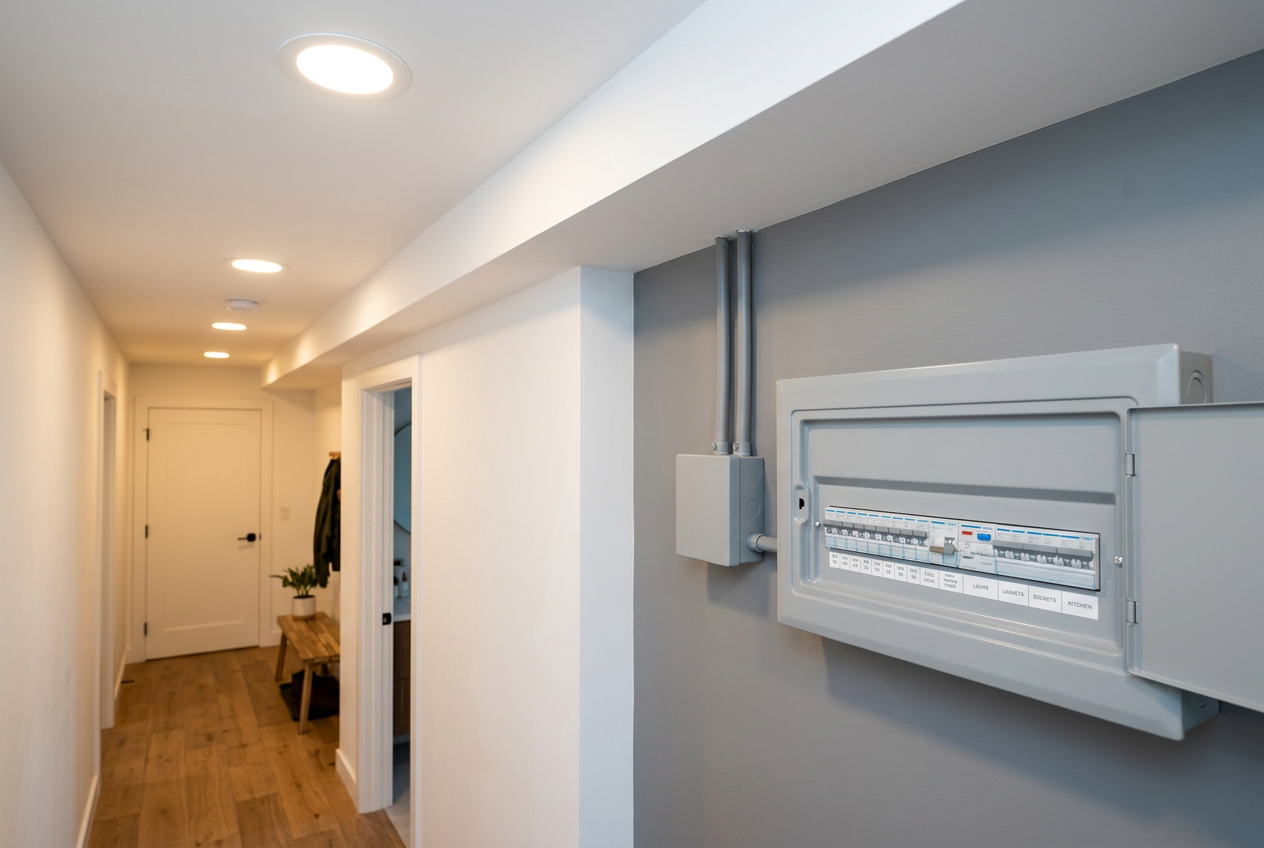
Bathrooms are one of the most hazardous places in the home when it comes to electricity — water and electricity are a dangerous combination. In New Zealand, the electrical rules for bathrooms and wet areas are strict, and for good reason. Understanding these rules helps keep your household safe and ensures your home meets the NZ Building Code and wiring standards.
Why Bathrooms Have Special Electrical Rules
Water dramatically lowers the body's resistance to electric shock, making even low voltages potentially fatal in a wet environment. To manage this risk, MBIE Building Performance and the New Zealand Electrical Code of Practice set out specific requirements for where electrical fittings can be placed and what type of protection is required in bathrooms and wet areas.
The key standard governing electrical installations in NZ is AS/NZS 3000 (the "Wiring Rules"), which defines safety zones within bathrooms and specifies what equipment is permitted in each zone.
The Bathroom Zone System Explained
The Wiring Rules divide a bathroom into zones based on proximity to water sources like baths, showers, and basins. Think of it as a series of invisible boundaries radiating outward from the water source.
- Zone 0 – Inside the bath or shower basin itself. No electrical equipment is permitted here except specific extra-low-voltage (ELV) equipment designed for submersion.
- Zone 1 – Directly above the bath or shower tray, up to 2.25 m in height. Only specially rated waterproof fittings (IPX4 or higher) are permitted — for example, certain shower lights or purpose-built shower fans.
- Zone 2 – Extends 0.6 m horizontally beyond Zone 1. Fittings must still be splash-proof rated (at least IPX4). General-purpose power outlets (GPOs) are not permitted in Zones 0, 1, or 2.
- Outside the zones – Standard fittings and outlets may be installed, but must still comply with general wiring rules and be protected by an RCD (residual current device).
RCD Protection Is Mandatory
All socket outlets and lighting circuits in bathrooms must be protected by an RCD (sometimes called a safety switch). An RCD detects tiny imbalances in current flow — the kind caused by electricity passing through a person — and cuts the power in milliseconds. This is a non-negotiable requirement under the Wiring Rules and is one of the most important safety features in any bathroom.
If your home's switchboard doesn't have RCD protection on bathroom circuits, this should be rectified by a licensed electrician as soon as possible. You can check with the Electrical Workers Registration Board (EWRB) to find or verify a registered electrician.
What Is Restricted Electrical Work?
In New Zealand, most electrical work is restricted work under the Electricity Act 1992. This means it must be carried out by — or under the supervision of — a registered electrician who issues a Certificate of Compliance (CoC) upon completion.
In bathrooms specifically, the following are all restricted work:
- Installing or relocating power outlets, light fittings, or switches
- Installing exhaust fans with electrical connections
- Installing heated towel rails or electric underfloor heating
- Installing or replacing electric showers or heat lamps
- Any work on the switchboard, including adding RCD protection
What a homeowner CAN do: You may replace a like-for-like light bulb or a damaged light fitting cover (not the wiring), and you can reset a tripped RCD or replace a fuse. However, if in doubt, always call a professional.
⚠️ Safety note: Never attempt to work on bathroom wiring yourself. Even with the power switched off at the board, mistakes in wet area wiring can be fatal. Unlicensed electrical work is also illegal and can void your home insurance.
Shaver Outlets — A Special Case
You may have noticed that some bathrooms have a shaver outlet near the mirror. These are specially designed isolating transformer outlets that are permitted closer to water than standard GPOs. They must still be installed by a licensed electrician and positioned outside Zone 1. Standard power outlets must never be used as a substitute.
Heated Towel Rails and Underfloor Heating
Electric heated towel rails are popular in NZ bathrooms. Hard-wired models must be installed by a licensed electrician and positioned outside the restricted zones. Plug-in models with a standard cord and plug are generally not recommended in bathrooms due to the proximity to water — check the manufacturer's instructions and consult an electrician if unsure.
Electric underfloor heating beneath tiles is another common upgrade. This involves laying a heating mat and connecting it to a thermostat and the mains — all restricted work requiring a licensed electrician. BRANZ has useful guidance on moisture management in wet areas that's worth reading alongside any bathroom renovation planning.
Ventilation and Electrical Fans
Under the NZ Building Code clause G4 (Ventilation), bathrooms require adequate ventilation to prevent moisture build-up. An electrically wired exhaust fan is a common solution. The fan unit itself may be installed by a competent DIYer, but the electrical connection must be done by a licensed electrician. Many fans also need to comply with the Healthy Homes Standards if the property is a rental.
Comparison: What's Allowed Where
| Feature | Zone 0 | Zone 1 | Zone 2 | Outside Zones |
|---|---|---|---|---|
| Standard power outlet (GPO) | ✗ | ✗ | ✗ | ✓ (with RCD) |
| Shaver outlet | ✗ | ✗ | ✓ (check rating) | ✓ |
| Waterproof light fitting (IPX4+) | ✗ | ✓ | ✓ | ✓ |
| Standard light fitting | ✗ | ✗ | ✗ | ✓ |
| Heat lamp | ✗ | ✗ | ✗ | ✓ (with RCD) |
When to Call a Professional
For virtually any electrical work in a bathroom, you should engage a licensed electrician. This isn't just about compliance — it's about safety. A registered electrician will ensure the work meets AS/NZS 3000, issue a Certificate of Compliance, and give you peace of mind.
You can find qualified, vetted local electricians on tradedirectory.co.nz — it's always worth getting two or three quotes for larger bathroom renovation projects.