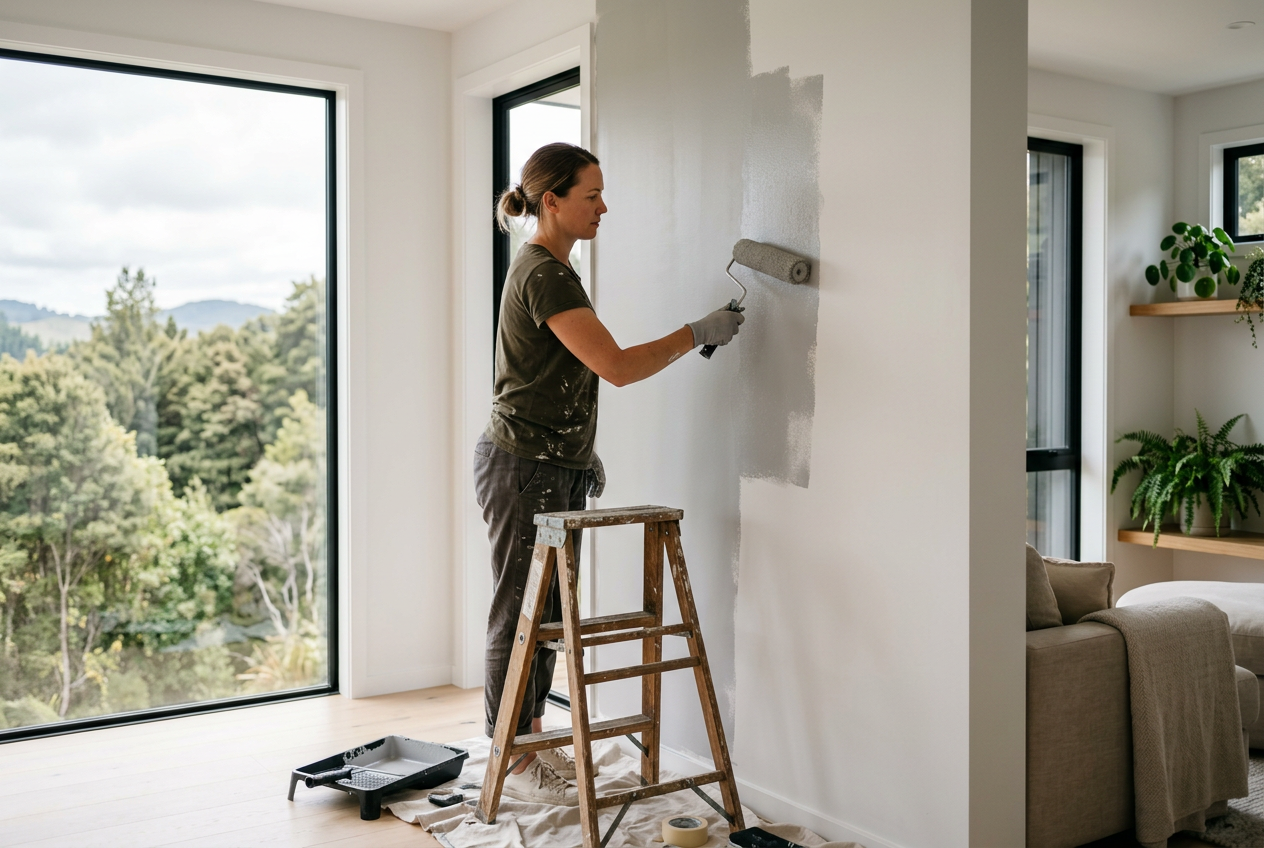
Painting skirting boards might seem straightforward, but choosing the right enamel can make a big difference to how long the finish lasts and how good it looks. Both water-based and oil-based enamels have their place, and the best choice depends on your situation, your home, and how much time you have. Here's what you need to know before you crack open a tin.
What Is Enamel Paint and Why Does It Matter for Skirtings?
Enamel paint refers to a hard-wearing, washable finish — the kind you want on surfaces that take knocks, scuffs, and the occasional boot. Skirting boards sit right at floor level, meaning they cop regular abuse from vacuum cleaners, furniture, feet, and pets. A quality enamel gives you a tough, semi-gloss or gloss finish that can be wiped clean without the paint lifting.
The two main types you'll find at your local paint shop or hardware store are water-based (acrylic) enamel and oil-based (alkyd) enamel. Both are widely available from NZ brands like Resene and Dulux.
Key Differences at a Glance
| Feature | Water-Based Enamel | Oil-Based Enamel |
|---|---|---|
| Dry time | Fast (1–2 hours recoat) | Slow (often 8–16+ hours) |
| Yellowing over time | Minimal | Can yellow, especially in low-light areas |
| Durability | Very good (modern formulas) | Excellent, very hard finish |
| VOCs / fumes | Low | Higher — good ventilation essential |
| Clean-up | Soap and water | Mineral turpentine or paint thinner |
| Brush marks | Can show if not applied carefully | Self-levels well |
| Adhesion to old oil paint | Needs correct prep | Bonds well to existing oil paint |
The Case for Water-Based Enamel
Modern water-based enamels have come a long way. Products like Resene Lustacryl or Dulux Aquanamel deliver a hard, washable finish that rivals traditional oil-based paints in most residential situations. Here's why many NZ painters now default to water-based:
- Low odour and low VOCs — much more pleasant to work with indoors, especially in winter when you can't open windows wide.
- Fast recoat times — you can often apply two coats in a day, which is a real advantage for a weekend DIY project.
- No yellowing — water-based enamels stay white or true to colour over time, which matters a lot on white skirtings in hallways or rooms with limited natural light.
- Easy clean-up — brushes and rollers rinse out with water.
- Better for the environment — lower solvent content aligns with BRANZ guidance on improving indoor air quality in NZ homes.
The main watch-out: water-based enamel can be less forgiving with brush technique. Use a quality synthetic brush and work quickly to avoid lap marks.
The Case for Oil-Based Enamel
Oil-based enamel still has loyal fans, particularly among experienced tradespeople, and for good reason:
- Exceptional hardness — the cured film is extremely tough and resists chipping well in high-traffic areas.
- Excellent self-levelling — brush marks tend to flow out as the paint dries, giving a smooth finish even for less experienced painters.
- Strong adhesion — if your skirtings already have multiple coats of old oil-based paint, an oil-based topcoat bonds reliably without as much prep work.
The downsides are real though. Oil-based paints have higher VOC (volatile organic compound) levels, require mineral turpentine for clean-up, take much longer to dry between coats, and will yellow noticeably over time — particularly in areas that don't get much sunlight. Wattyl and other manufacturers have been reformulating products to reduce VOCs, but oil-based paints still require good ventilation during application.
NZ-Specific Considerations
New Zealand's climate varies enormously — from the humid north to the cold, damp south. In high-humidity areas, proper surface preparation matters as much as paint choice. Make sure skirtings are dry, clean, and free of mould before painting. If mould is present, treat it first with an appropriate solution.
If your home was built before the 1980s, be aware that old paint may contain lead. Sanding or stripping lead paint creates hazardous dust. Check WorkSafe NZ guidance before disturbing old painted surfaces, and consider having a professional handle the prep work.
Preparation: The Step Most DIYers Rush
Whichever enamel you choose, preparation is everything:
- Clean the skirtings thoroughly — remove grease, dust, and grime.
- Sand lightly with fine-grit sandpaper to give the new paint something to grip.
- Fill any holes or cracks with a suitable filler and sand smooth once dry.
- Prime bare timber or repaired areas with a compatible primer. If switching from oil-based to water-based, use a quality acrylic primer or a bonding primer to ensure adhesion.
- Mask the floor and wall edges carefully for clean lines.
Our Recommendation
For most NZ homeowners painting interior skirting boards today, water-based enamel is the better all-round choice. It's easier to work with, dries faster, won't yellow, and modern formulas are genuinely durable. Save oil-based enamel for situations where you're painting over heavily built-up oil-based coats and don't want to do extensive prep, or where you specifically want that ultra-hard traditional finish.
When in doubt, ask at your local Mitre 10 or Bunnings paint desk — or better yet, pop into a Resene ColorShop where the staff are paint specialists.
When to Call a Professional
Painting skirting boards is well within DIY territory for most homeowners. However, consider hiring a qualified painter if:
- Your home is older and may have lead paint that needs safe removal.
- You want a flawless, high-gloss finish on feature joinery.
- The job is large-scale or involves extensive repairs to the timber itself.
You can find licensed, experienced local painters on tradedirectory.co.nz — it's always worth getting a couple of quotes for bigger jobs.