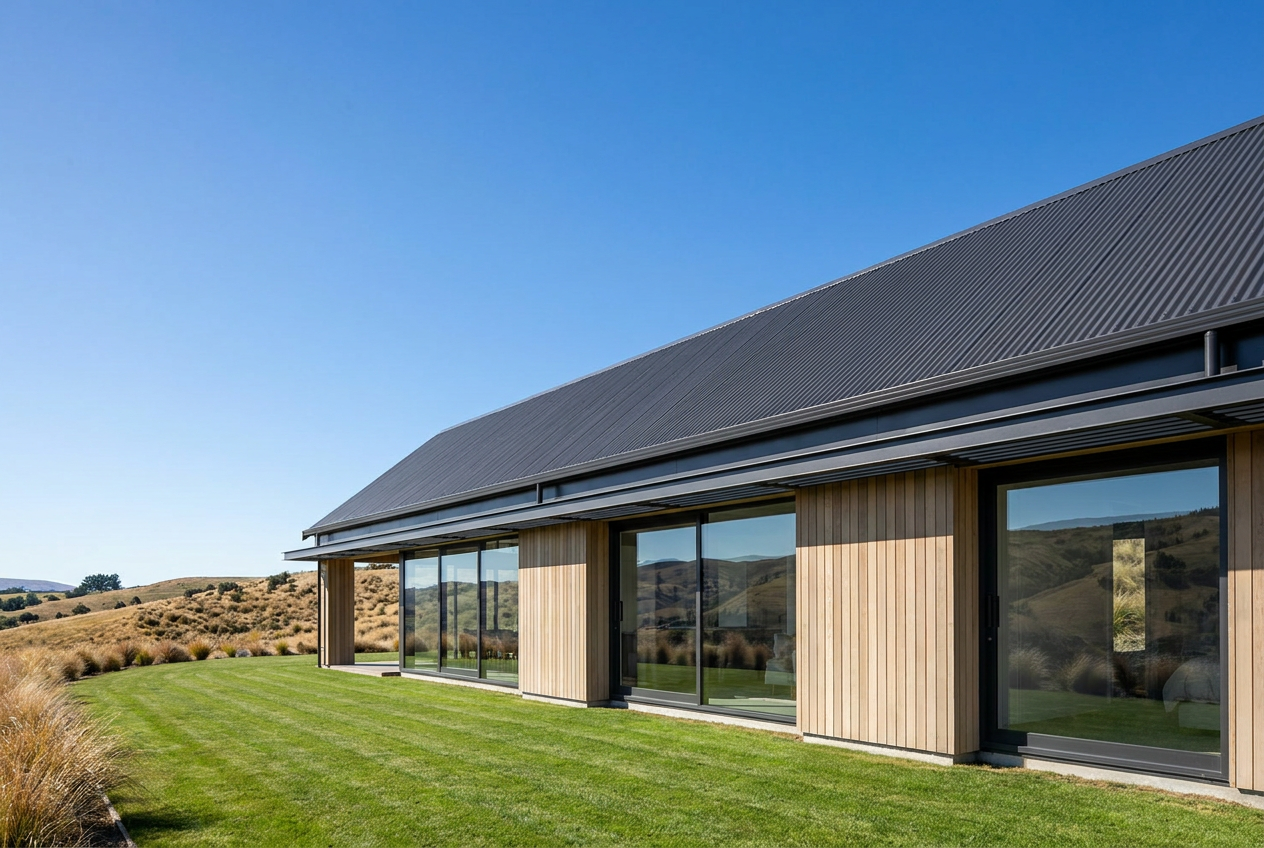
Keeping your roof and gutters clean is one of the most cost-effective ways to protect your home in New Zealand's varied climate. Blocked gutters and moss-covered roofs can lead to leaks, structural damage, and costly repairs — yet many Kiwi homeowners leave it far too long between cleans. Here's a practical guide to help you work out the right schedule for your property.
The General Rule of Thumb
For most NZ homes, cleaning your gutters at least once a year is the minimum recommended frequency. However, twice a year — typically in autumn (after leaves fall) and spring (after winter storms) — is a better target for the majority of properties. Your roof surface itself should be inspected and cleaned every one to three years, depending on conditions.
What Affects How Often You Should Clean
Several factors will push your cleaning schedule more frequent than the baseline:
- Nearby trees: Overhanging or adjacent trees — especially pines, liquid ambers, or gum trees — drop leaves, needles, and seed pods that rapidly block gutters and trap moisture on your roof. If you have large trees close to the house, quarterly gutter checks may be warranted.
- Your region's climate: High-rainfall areas like the West Coast, Northland, and parts of Wellington experience faster moss and lichen growth. Humid, shaded roofs in these regions may need attention every 12–18 months rather than every three years.
- Roof pitch and material: Low-pitched roofs hold debris and moisture longer. Concrete and clay tiles, as well as older corrugated iron, tend to harbour moss more readily than modern coated steel (e.g. Colorsteel or Zincalume).
- Shade and aspect: A south-facing or heavily shaded roof stays damp longer, encouraging biological growth.
- Urban vs. rural: Rural properties may deal with more organic debris; urban homes near busy roads can accumulate grit and pollution that blocks gutters.
Signs Your Roof or Gutters Need Attention Now
Don't wait for your scheduled clean if you notice any of these warning signs:
- Gutters overflowing during rain or pulling away from the fascia
- Visible moss, lichen, or algae on the roof surface (green, black, or orange patches)
- Sagging gutters or rust staining on exterior walls
- Damp patches on interior ceilings or walls after rain
- Plant growth in gutters (a sure sign of a serious blockage)
- Granule loss in downpipes (relevant to asphalt or chip-seal roofs)
Roof Cleaning Methods
The right cleaning method depends on your roof type:
| Roof Type | Recommended Method | Avoid |
|---|---|---|
| Corrugated steel / Colorsteel | Soft wash or low-pressure rinse + moss treatment | High-pressure washing (strips coatings) |
| Concrete or clay tiles | Soft brush, low pressure, biocide treatment | High-pressure (cracks tiles, forces water under) |
| Asphalt shingles | Gentle chemical treatment, soft rinse | Any pressure washing |
| Long-run steel (e.g. Dimond, Lysaght) | Low-pressure rinse, moss inhibitor | High-pressure washing |
Moss and lichen treatments — typically sodium hypochlorite or purpose-made biocide products — are widely available at Bunnings and Mitre 10. Apply according to label directions and allow rain to wash residue away. Many professionals apply a treatment and leave it to work over several weeks rather than scrubbing aggressively, which can damage roof surfaces.
BRANZ research highlights that aggressive high-pressure washing is one of the most common causes of premature roof deterioration in NZ — so less is often more.
Gutter Cleaning: A Step-by-Step Overview
- Clear large debris by hand (wear gloves) or with a gutter scoop.
- Flush with a garden hose from the far end toward the downpipe.
- Check downpipes are clear — a blocked downpipe is as bad as a blocked gutter.
- Inspect for rust, cracks, or sagging while you're up there.
- Check gutter brackets and seals — reseal any leaking joints with a suitable gutter sealant.
If you're comfortable working at height and have a stable ladder, gutter cleaning is a task many homeowners can do themselves. Always follow safe ladder practices as outlined by WorkSafe NZ — a significant number of serious home injuries each year involve falls from ladders.
Healthy Homes and Rental Properties
If you're a landlord, note that the Healthy Homes Standards require rental properties to be free from significant dampness and moisture issues. Blocked gutters and a leaking roof can contribute to non-compliance, so staying on top of maintenance is both a practical and legal obligation.
When to Call a Professional
While basic gutter clearing is DIY-friendly, there are situations where you should engage a qualified local roofer:
- Your roof is steep, high, or complex in shape — working safely at height requires proper equipment and training.
- You've spotted damaged or missing tiles, flashing issues, or rust holes that need repair.
- You want a full roof wash and moss treatment on a large or delicate roof surface.
- There are signs of water ingress that need professional diagnosis.
- Your roof is approaching or past its expected service life and needs a condition assessment.
A professional roofer will also be able to advise on whether your guttering system is correctly sized and sloped for your rainfall zone — something that's easy to overlook but important under the NZ Building Code. You can find qualified, reviewed local roofers on tradedirectory.co.nz.