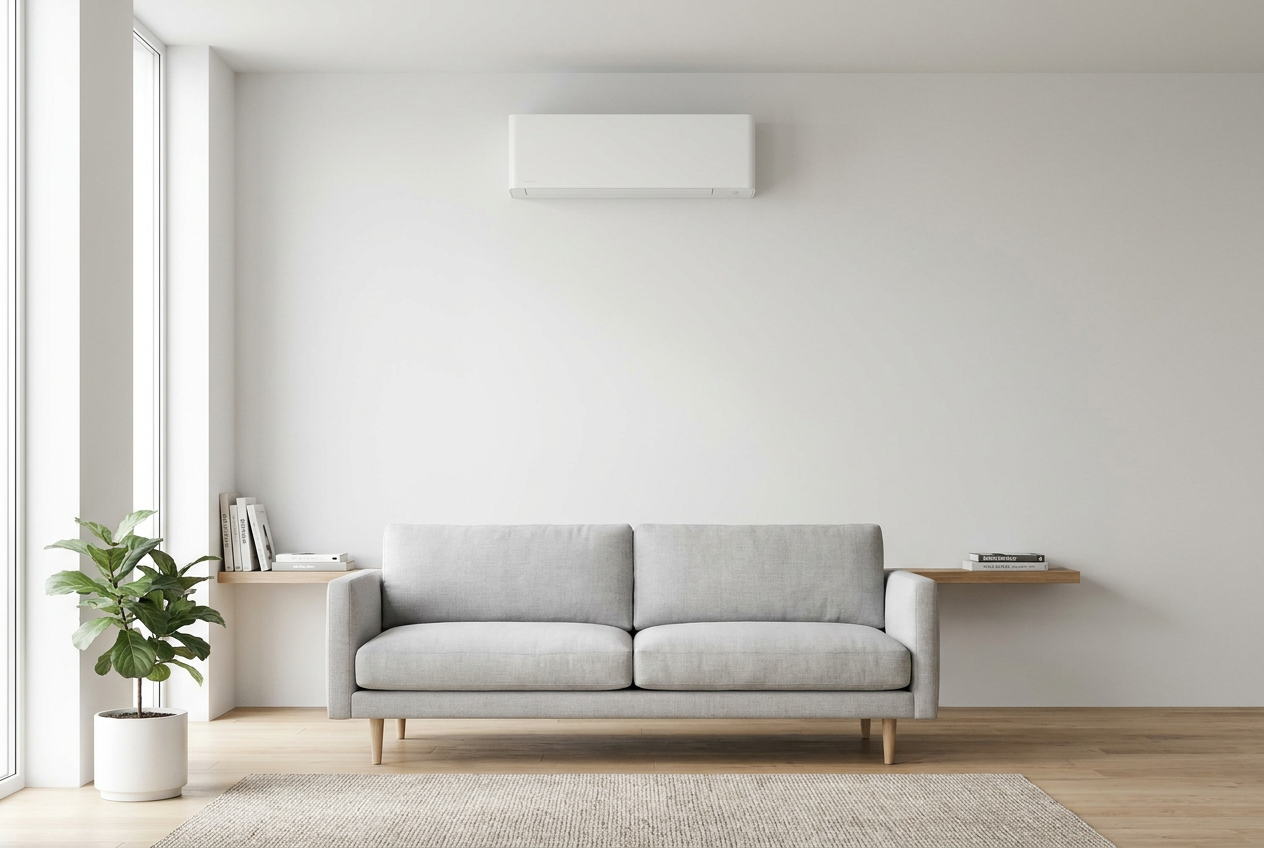
Heat pumps are widely regarded as one of the most energy-efficient ways to heat and cool a New Zealand home. But how much they actually cost to run depends on a handful of factors — from the size of your unit and your local climate, to your electricity tariff and how you use the system day to day. Understanding these variables can help you get the most out of your heat pump without nasty surprises on your power bill.
What Makes Heat Pumps So Efficient?
Unlike a resistive heater that converts electricity directly into heat on a one-for-one basis, a heat pump moves heat from outside air into your home. This process is measured by the Coefficient of Performance (COP) — essentially, how many kilowatts of heat you get for every kilowatt of electricity you use. Modern inverter heat pumps commonly achieve a COP of 3 or higher in mild conditions, meaning you get roughly three times the heating output for the electricity consumed. BRANZ research consistently identifies heat pumps as among the most cost-effective heating options for NZ homes.
Key Factors That Affect Running Costs
There's no single answer to what a heat pump costs to run, because several variables interact:
- Unit size and capacity — An oversized or undersized unit runs less efficiently. A properly sized heat pump for the room will cycle correctly and use less power overall.
- Your electricity rate — Power prices vary significantly between regions and retailers. As a broad guide, NZ residential electricity rates have generally ranged from around 25–40 cents per kWh, but check your own bill or use a comparison tool to find your actual rate.
- Outside temperature — Heat pumps work harder (and use more electricity) when it's very cold outside. This is particularly relevant in colder South Island regions like Otago and Southland, compared to milder northern areas.
- How you set the thermostat — Running your heat pump at a moderate, consistent temperature (around 18–20°C is commonly recommended for comfort and efficiency) is more economical than cranking it to maximum and turning it off repeatedly.
- Insulation and draught-proofing — A well-insulated home retains heat far better, so your heat pump runs for shorter periods. Energywise has excellent guidance on improving your home's thermal envelope.
- Age and maintenance of the unit — Dirty filters and coils force the system to work harder. Regular cleaning can make a noticeable difference to efficiency.
Rough Running Cost Estimates
Because electricity rates and usage patterns vary so much, treat any figures here as a general guide only — not a guarantee. As a rough illustration:
| Scenario | Approximate hourly consumption | Estimated hourly cost (guide only) |
|---|---|---|
| Small room unit (2–2.5 kW output) running efficiently | ~0.5–0.8 kW input | ~13–30c/hr |
| Medium unit (3.5–5 kW output) heating a lounge | ~0.9–1.5 kW input | ~23–55c/hr |
| Large unit (6–8 kW output) for open-plan area | ~1.5–2.5 kW input | ~38–90c/hr |
Actual costs depend on your tariff, COP at the time, and how long the unit runs. Running a medium heat pump for four to six hours a day through winter could add anywhere from roughly $30 to $100+ to your monthly power bill — but good insulation and smart use can keep you toward the lower end.
Tips to Reduce Your Heat Pump Running Costs
Set a sensible temperature
Aim for 18–20°C rather than 25°C. Each degree higher can meaningfully increase energy use.
Use the timer
Most modern heat pumps have a programmable timer. Set it to start warming the house 20–30 minutes before you get up or arrive home, rather than leaving it running all day.
Keep filters clean
Check and clean the indoor unit's filters every few weeks during heavy use. This is a simple DIY task — consult your owner's manual for instructions.
Close doors and curtains
Heat the room you're in, not the whole house. Closing curtains at dusk also reduces heat loss through glass significantly.
Use heat pump mode, not just fan
Make sure you're actually running the heat pump in heating (or cooling) mode, not just fan-only mode, which provides no temperature change.
Consider your electricity plan
Some retailers offer time-of-use tariffs with cheaper overnight rates. If your household can shift usage, this may reduce costs. Check Consumer NZ for power company comparisons.
Healthy Homes Standards and Heat Pumps
If you're a landlord, it's worth knowing that the Healthy Homes Standards require rental properties to have a fixed heating device capable of heating the main living area to at least 18°C. A correctly sized heat pump is one of the most common ways landlords meet this requirement.
When to Call a Professional
Installing a heat pump — including connecting the electrical supply and handling refrigerant — is restricted work under New Zealand law. Refrigerant handling requires a certified refrigeration technician, and the electrical connection must be carried out by a registered electrician (see the Electrical Workers Registration Board). Attempting this work yourself is illegal and potentially dangerous.
If your heat pump seems to be using more power than expected, is struggling to reach temperature, or is making unusual noises, call a qualified heat pump technician. A service check can identify refrigerant issues, dirty coils, or failing components before they become expensive problems. You can find licensed heat pump installers and service technicians in your area at tradedirectory.co.nz.