Understanding how your home's electrical circuits are laid out can save you from tripped breakers, overloaded wiring, and potential fire hazards. In New Zealand, there is no single fixed rule that limits the number of power points (GPOs – general purpose outlets) on a circuit, but there are practical and code-based limits that every homeowner should know about.
How NZ Electrical Circuits Work
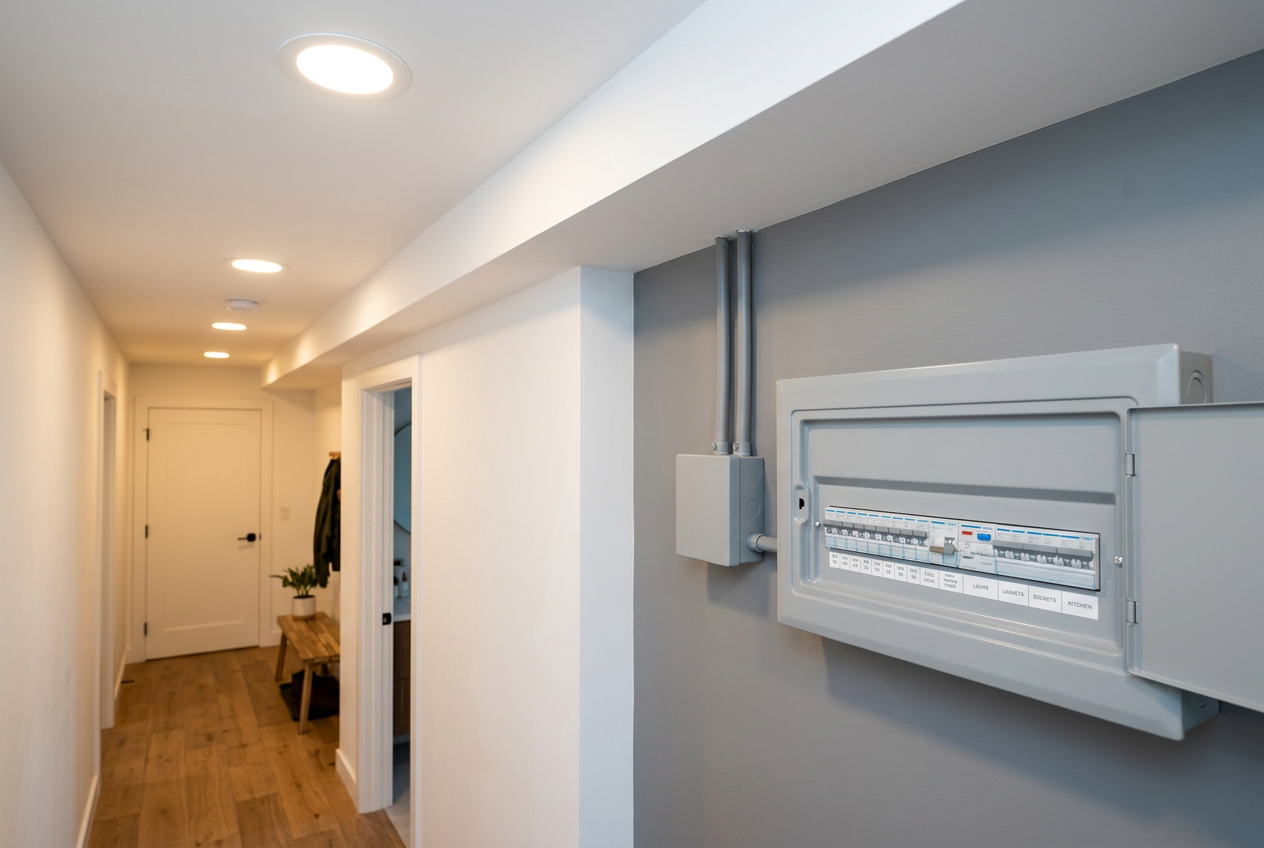
A typical residential circuit runs from your switchboard through a circuit breaker, out to a series of power points, and back again. The circuit breaker is rated to protect the wiring — commonly 10 A or 16 A for general power circuits in NZ homes. The total load that can safely run on that circuit at any one time is determined by the breaker rating and the cable size, not simply by the number of outlets.
In practice, electricians follow guidelines from BRANZ and the NZ Wiring Rules (AS/NZS 3000) to ensure circuits are designed safely for their intended use.
Is There a Legal Maximum Number of Outlets?
The short answer: AS/NZS 3000 (the Wiring Rules adopted in New Zealand) does not specify a hard maximum number of power points per circuit. What it does require is that the circuit is designed so the wiring and protective devices are not overloaded under normal use.
As a general guide used by NZ electricians:
- A standard 10 A general power circuit might serve around 8–12 outlets in a living area or bedroom, depending on the expected load.
- Kitchen and laundry circuits are typically dedicated or limited to fewer outlets because appliances draw much higher current.
- High-draw appliances — ovens, heat pumps, EV chargers, hot water cylinders — almost always need their own dedicated circuit.
The key principle is load calculation: the sum of all appliances likely to run simultaneously must not exceed the circuit's safe capacity.
Circuit Types in a Typical NZ Home
| Circuit Type | Typical Breaker | Common Use |
|---|---|---|
| General power (GPO) | 10 A or 16 A | Living rooms, bedrooms |
| Kitchen appliances | 16 A or 20 A | Bench outlets, fridge |
| Oven / cooktop | 32 A or more | Dedicated single circuit |
| Lighting | 10 A | Lights only |
| Hot water cylinder | 16 A or 20 A | Dedicated |
| EV charger | 32 A+ | Dedicated |
Why Overloading a Circuit Is Dangerous
Plugging too many high-draw appliances into one circuit — even via a powerboard — can cause:
- Nuisance tripping of the circuit breaker
- Overheating of cables inside walls, which is a serious fire risk
- Damage to appliances from voltage drop
WorkSafe NZ notes that electrical faults are a leading cause of house fires in New Zealand. Never bypass a tripping breaker by replacing it with a higher-rated one — this removes the protection the wiring relies on.
What Can a Homeowner Do Themselves?
In New Zealand, electrical wiring work is restricted work under the Electricity Act 1992. This means almost all wiring tasks — including adding new power points, extending circuits, or working in the switchboard — must be carried out by a registered electrician and certified by an Electrical Inspector or the electrician themselves if they hold the right licence.
What homeowners can do without a licence:
- Replace a like-for-like power point cover plate (no wiring changes)
- Plug in and use appliances and powerboards
- Reset a tripped circuit breaker (once only — if it trips again, call an electrician)
For anything beyond that, you need a registered electrician. Check the Electrical Workers Registration Board (EWRB) to verify a sparky's registration before hiring.
Signs You Need More Circuits or Outlets
Watch out for these warning signs in your home:
- Circuit breakers tripping regularly
- Powerboards daisy-chained together (a powerboard plugged into a powerboard)
- Warm or discoloured power point covers
- Flickering lights when appliances switch on
- Not enough outlets, leading to long extension cord runs
If you're renovating, adding a home office, or installing a new kitchen, it's the perfect time to have an electrician assess your switchboard and add dedicated circuits where needed.
Upgrading or Adding Power Points
Adding power points is one of the most common jobs NZ electricians carry out. A qualified sparky will:
- Assess the existing circuit load
- Determine whether an existing circuit can safely take additional outlets, or whether a new circuit is needed
- Run new cable (typically through the ceiling or under the floor in NZ timber-framed homes)
- Install and certify the work with a Certificate of Compliance (CoC)
Always ask for a CoC — it's your legal proof the work was done correctly and is essential for insurance and future property sales. The MBIE Building Performance website has more detail on compliance requirements.
When to Call a Professional
Call a registered electrician if you want to:
- Add new power points anywhere in your home
- Move or relocate existing outlets
- Install a dedicated circuit for a new appliance
- Upgrade your switchboard
- Investigate repeated tripping or any signs of electrical faults
You can find qualified, local electricians on tradedirectory.co.nz — look for someone who is EWRB-registered and experienced in residential work.