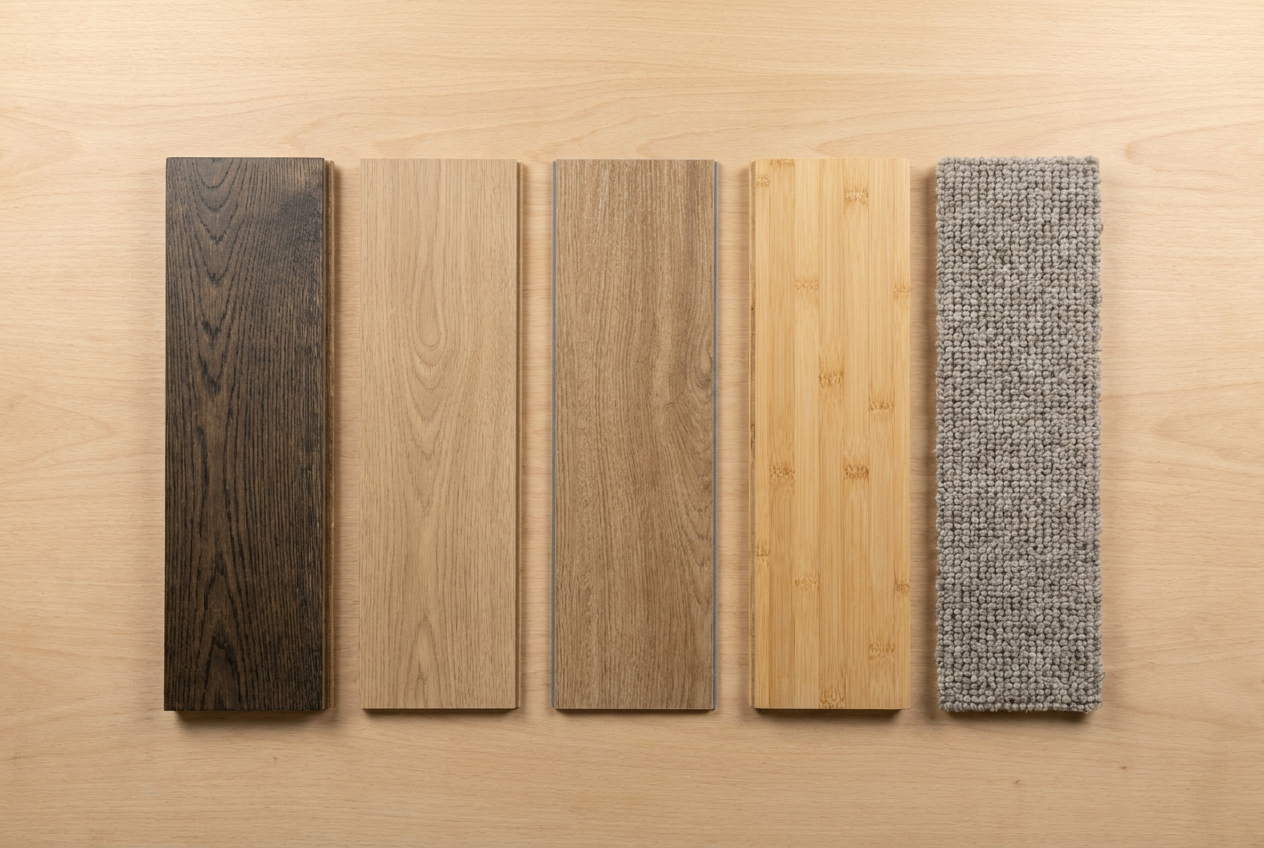
Carpet is one of the most popular flooring choices in New Zealand homes — it's warm underfoot, reduces noise, and adds comfort during our cooler months. But like any flooring, it doesn't last forever. Knowing when to replace it can save you money, improve your home's air quality, and keep your living spaces looking their best.
How Long Does Carpet Typically Last?
As a general guide, most residential carpet lasts somewhere between 10 and 15 years, though this varies considerably depending on the quality of the carpet, the underlay, and how hard it's worked. Here's a rough breakdown by carpet type:
| Carpet Type | Typical Lifespan |
|---|---|
| Budget polyester | 5–8 years |
| Mid-range nylon or polypropylene | 10–12 years |
| Premium wool or wool-blend | 15–25+ years |
| Commercial-grade carpet | 10–15 years (heavy use) |
Wool carpet, which is produced right here in New Zealand, is widely regarded as the most durable and resilient option. It also has natural moisture-wicking properties — a real advantage in our humid coastal and southern climates.
What Affects How Long Carpet Lasts?
Several factors influence carpet longevity in NZ homes:
- Foot traffic — Hallways, stairs, and living rooms wear out much faster than bedrooms.
- Underlay quality — A good underlay cushions the carpet fibres and significantly extends lifespan. Skimping here is a false economy.
- Pets and children — Claws, spills, and general rough-and-tumble accelerate wear and staining.
- NZ climate — High humidity (particularly in Auckland, Northland, and the West Coast) can encourage mould and mildew growth beneath carpet, especially in poorly ventilated homes. BRANZ research highlights moisture control as a key factor in flooring durability.
- Cleaning habits — Regular vacuuming and professional steam cleaning every 12–18 months can meaningfully extend carpet life.
- Sun exposure — UV fading is common in north-facing rooms. Quality carpet with UV-resistant fibres helps.
Key Signs It's Time to Replace Your Carpet
Don't wait until your carpet is falling apart. Watch for these warning signs:
Visible Wear and Matting
Flattened, matted fibres that don't spring back — even after cleaning — are a sign the carpet pile is exhausted. This is especially common in high-traffic areas.
Persistent Stains and Odours
If stains won't budge after professional cleaning, or if there's a lingering smell (particularly pet urine or mould), the damage has likely penetrated the backing and underlay. At this point, replacement is more cost-effective than continued cleaning.
Mould or Mildew
Visible mould, or a musty smell that persists, is a serious concern — not just for your carpet, but for your household's health. Under the Healthy Homes Standards, rental properties must have adequate drainage and moisture control. Mouldy carpet in a rental is a compliance issue landlords must address promptly.
Wrinkling, Bubbling, or Lifting
If your carpet has developed ripples or is lifting at the edges, the backing may have deteriorated or the carpet was never properly stretched during installation. Sometimes re-stretching fixes this; other times, replacement is the better call.
Allergy Symptoms Worsening
Old carpet can harbour dust mites, pet dander, and allergens deep in the pile that vacuuming can't reach. If household members are experiencing increased allergy or asthma symptoms, ageing carpet could be a contributing factor.
It Simply Looks Tired
Sometimes the honest answer is that the carpet has had its day. Faded colour, worn patches, and dated style all affect your home's presentation and value.
Choosing Replacement Carpet: What to Consider
When it's time to replace, think about:
- Fibre type — Wool is premium and durable; nylon is tough and stain-resistant; polypropylene is budget-friendly but less resilient.
- Pile height and density — Denser, shorter piles generally wear better in high-traffic areas.
- Underlay — Invest in a quality underlay. It makes a noticeable difference to comfort and longevity.
- Moisture resistance — In damp areas or on concrete subfloors, choose carpet and underlay rated for moisture exposure.
You can explore carpet and underlay options at retailers like Bunnings or Mitre 10, or through specialist flooring suppliers.
DIY vs. Professional Installation
While a confident DIYer can lift and dispose of old carpet, professional installation is strongly recommended for new carpet. Proper stretching, seaming, and fitting around doorways and stairs requires specialist tools (like a knee kicker and power stretcher) and experience. Poor installation leads to early wrinkling, lifting edges, and voided product warranties.
When to Call a Professional
Call a qualified flooring installer if:
- Your carpet shows signs of mould — a professional can assess whether the subfloor has also been affected and needs treatment before new carpet goes down.
- You have stairs, awkward room shapes, or large open-plan areas where seaming is required.
- You're unsure whether the subfloor (particularly a concrete slab) needs moisture testing or preparation before installation.
A licensed flooring installer will also ensure your new carpet meets any requirements under the NZ Building Code for your specific situation. You can find experienced local flooring installers on tradedirectory.co.nz.