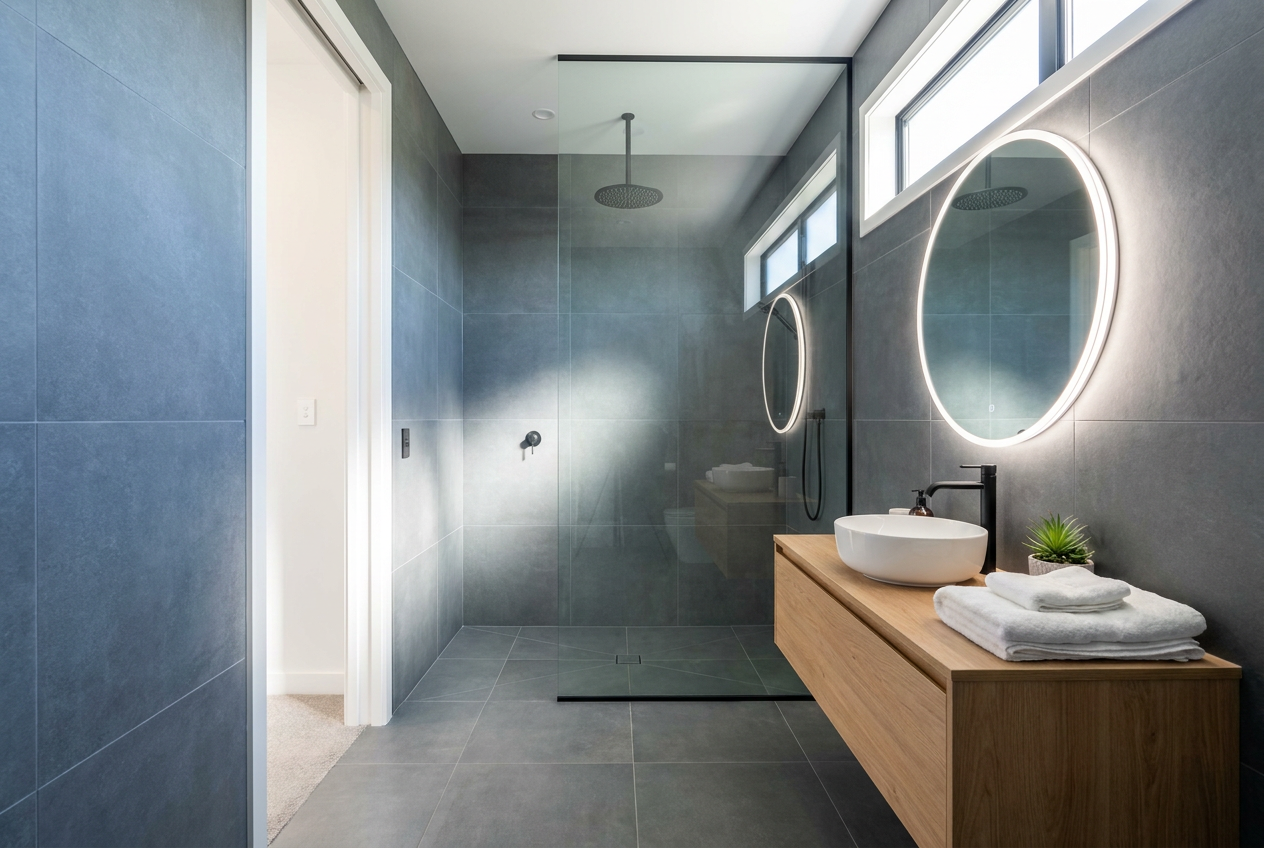
Bathroom waterproofing is one of those things you don't think about until it fails — and by then, the damage can be costly. In New Zealand, wet area waterproofing is governed by the NZ Building Code (specifically Clause E3: Internal Moisture), which sets minimum performance requirements for all wet areas including showers, baths, and ensuite floors. Understanding how long your waterproofing should last — and what shortens its life — can save you thousands in repairs.
Typical Lifespan of Bathroom Waterproofing
As a general guide, quality bathroom waterproofing can last anywhere from 10 to 25 years, depending on the membrane type, application method, and ongoing maintenance. Here's a rough breakdown:
| Membrane Type | Typical Lifespan | Common Use |
|---|---|---|
| Liquid-applied membrane (e.g. polyurethane) | 10–20 years | Showers, wet room floors |
| Sheet membrane (e.g. PVC or TPO) | 15–25 years | Under-tile applications |
| Acrylic/paint-on membrane | 5–10 years | Lower-traffic areas |
| Epoxy-based systems | 10–20 years | Commercial or heavy-use bathrooms |
These are indicative ranges only — real-world performance varies significantly based on the factors below.
What Affects How Long Waterproofing Lasts?
Several factors influence the lifespan of your bathroom waterproofing:
- Application quality — This is the biggest factor. Waterproofing applied by an experienced tradesperson, with correct film thickness and proper curing time, will significantly outlast a rushed or DIY job.
- Product quality — Products from reputable suppliers like Ardex, Mapei, or Sika are formulated for NZ conditions and carry technical data sheets specifying expected performance.
- Surface preparation — Waterproofing applied over poorly prepared, dusty, or damp substrates will fail prematurely. The membrane is only as good as what it's bonded to.
- Movement and substrate type — Timber-framed bathrooms (very common in NZ homes) flex more than concrete slabs. Membranes need to be flexible enough to accommodate this movement without cracking.
- Grout and silicone condition — Grout and silicone joints are the first line of defence. Cracked grout or failed silicone allows water to bypass even a good membrane over time.
- Ventilation — Poor ventilation leads to excess moisture and condensation, accelerating wear on all bathroom surfaces including waterproofing. Energywise has useful guidance on bathroom ventilation best practice.
- Cleaning products — Harsh chemical cleaners can degrade silicone and grout, indirectly compromising the waterproofing system.
NZ Building Code Requirements
Under NZ Building Code Clause E3, wet areas must be waterproofed to prevent moisture from penetrating walls and floors and causing damage to the building structure. The code requires waterproofing to have a minimum 15-year durability when it is not readily accessible for maintenance or replacement — for example, under tiles.
BRANZ provides detailed guidance on wet area construction and waterproofing standards that both tradespeople and homeowners can reference. It's worth knowing that NZS 4858:2004 is the key New Zealand standard covering wet area membranes — your waterproofer should be working to this standard.
Warning Signs Your Waterproofing Is Failing
Don't wait for visible water damage before investigating. Watch for these early warning signs:
- Cracked or missing grout in the shower or around the bath
- Silicone pulling away from wall-to-floor junctions or around fixtures
- Soft or spongy tiles that flex underfoot — a sign the substrate beneath is wet
- Musty smells or mould that keeps returning despite cleaning
- Staining or damp patches on ceilings or walls adjacent to the bathroom
- Peeling paint or swelling of wall linings near wet areas
- Loose tiles — water ingress behind tiles causes adhesive failure
If you notice any of these signs, it's worth getting a professional assessment sooner rather than later. Water damage to framing and linings can escalate quickly, especially in NZ's timber-framed homes.
Can You Extend the Life of Your Waterproofing?
Yes — regular maintenance makes a real difference:
- Re-silicone every 5–7 years (or sooner if it shows signs of cracking or mould). This is a DIY-friendly task using a quality sanitary silicone.
- Re-grout cracked or missing grout lines promptly.
- Ensure good ventilation — run the extractor fan during and after showers.
- Avoid abrasive or acidic cleaners on grout and silicone.
- Check around penetrations (pipes, taps, shower heads) annually for any gaps or movement.
When to Call a Professional
If your waterproofing is more than 15 years old, or you're seeing any of the warning signs above, it's time to call a qualified waterproofer. Retiling or replacing a shower involves removing tiles, stripping back to the substrate, and applying a new membrane system — this is skilled work that directly affects the weathertightness of your home.
While applying waterproofing membrane is not legally restricted work in the same way as plumbing or electrical, it does form part of the building envelope and poor workmanship can lead to Building Code non-compliance. If your bathroom renovation involves moving or adding plumbing fixtures, that work must be carried out by a licensed plumber registered with the Plumbers, Gasfitters and Drainlayers Board.
For peace of mind, look for a waterproofer who is a Licensed Building Practitioner (LBP) — they are legally accountable for their work on restricted building work. You can find qualified local waterproofing professionals on tradedirectory.co.nz.