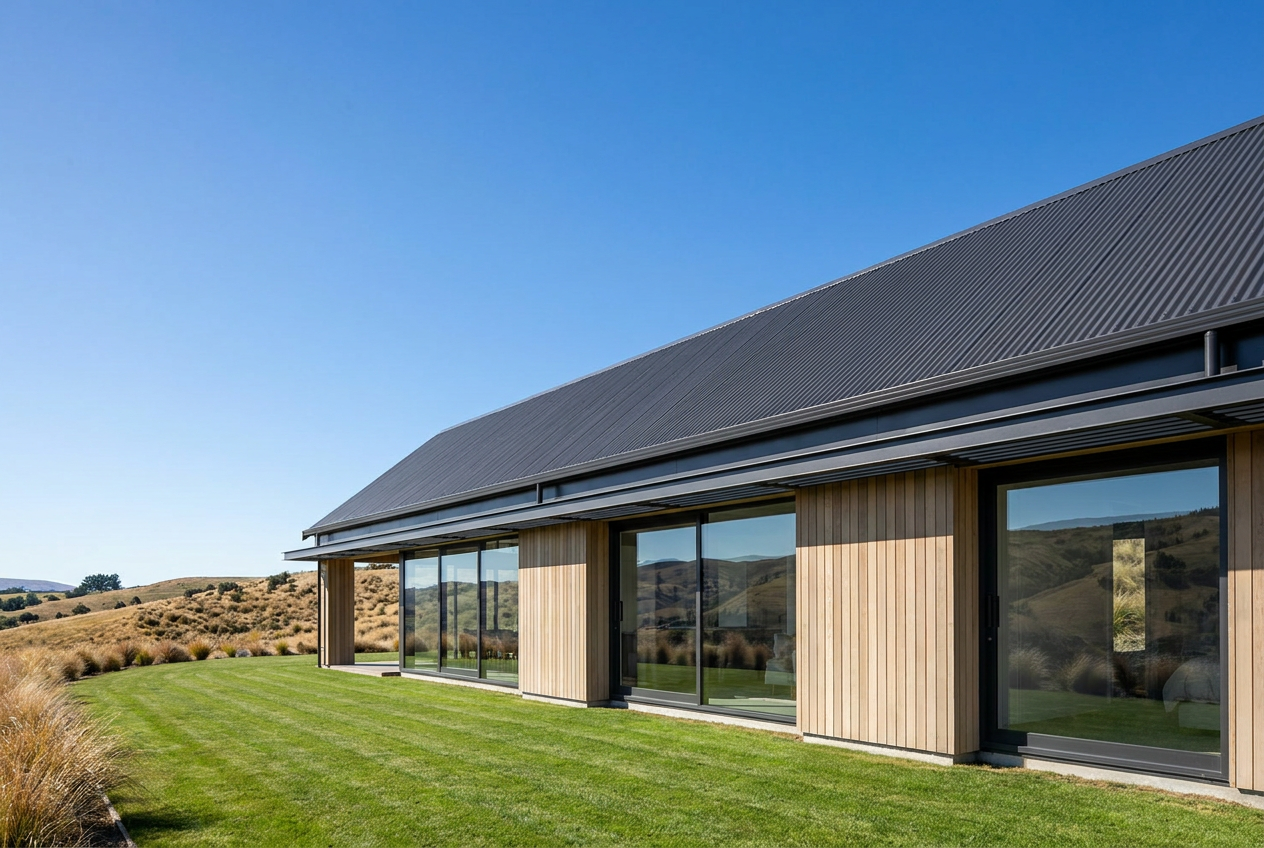
Colorsteel is one of the most popular roofing materials in New Zealand, and for good reason — it's tough, lightweight, and well-suited to our variable climate. But how long can you realistically expect it to last, and what can you do to get the most out of it? Here's what every NZ homeowner should know.
What Is Colorsteel?
Colorsteel is a brand of pre-painted, zinc/aluminium-alloy coated steel manufactured by New Zealand Steel. It's used widely in residential and commercial roofing across NZ in profiles such as corrugate, tray, and standing seam. The steel substrate is coated with a metallic alloy layer (typically a Zincalume-type coating) and then finished with a baked-on paint system, giving it both corrosion resistance and colour.
Typical Lifespan of a Colorsteel Roof
In most NZ conditions, a well-installed and maintained Colorsteel roof can be expected to last 40 to 70 years. However, this is a broad range — the actual lifespan depends heavily on several factors outlined below. New Zealand Steel provides warranty information for their Colorsteel products, so always check the specific product warranty when purchasing.
| Environment | Approximate Lifespan (guide only) |
|---|---|
| Inland, low-pollution areas | 50–70+ years |
| Urban/suburban areas | 40–60 years |
| Coastal (within ~500m of sea) | 25–40 years |
| High-pollution or geothermal zones | Reduced — seek specialist advice |
These are general guides only and not guarantees. Actual performance varies.
Key Factors That Affect Lifespan
1. Proximity to the Coast
Salt-laden air is one of the biggest enemies of steel roofing in NZ. If your home is within roughly 500 metres of the coast, corrosion can occur significantly faster. For coastal properties, New Zealand Steel offers Colorsteel Endura®, which is specifically engineered for harsher marine environments. Always discuss your location with your roofing supplier or installer.
2. Roof Profile and Pitch
Steeper pitches shed water more effectively, reducing the time moisture sits on the surface. Low-pitched roofs (under about 3°) require specific profiles and sealants to prevent water ingress — this is covered under the NZ Building Code and good trade practice.
3. Installation Quality
Poor installation is one of the leading causes of premature roof failure. Incorrect fastener type, over-driving screws, inadequate laps, and poor flashing details can all allow water in. The Licensed Building Practitioners (LBP) scheme exists to ensure tradespeople doing restricted building work are competent and accountable. Always use a qualified, licensed roofer.
4. Maintenance (or Lack of It)
A Colorsteel roof that is never cleaned or inspected will deteriorate faster than one that receives regular attention. Debris build-up in valleys and gutters traps moisture and accelerates corrosion. Overhanging trees can cause ongoing damage from leaf matter and branches.
5. Dissimilar Metals
Contact between Colorsteel and incompatible metals — such as copper or untreated aluminium — can cause galvanic corrosion. This is a common issue around flashings and fixings. Always use compatible, manufacturer-recommended fasteners and flashings.
6. Paint Condition
The paint system is your roof's first line of defence. Scratches, chips, or areas where the paint has chalked or peeled expose the substrate to the elements. Touch-up paint is available, but widespread paint failure may indicate the roof is nearing the end of its serviceable life.
How to Maintain Your Colorsteel Roof
Good maintenance can add years — even decades — to your roof's life. BRANZ recommends regular inspection and maintenance as a key part of keeping your home weathertight.
- Wash the roof annually (or more often in coastal areas) with fresh water to remove salt, dirt, and organic matter. Avoid high-pressure washing directly at laps or fixings.
- Clear gutters and valleys at least twice a year, especially after autumn leaf fall.
- Inspect flashings around chimneys, skylights, and penetrations for signs of lifting, cracking, or sealant failure.
- Check fasteners for signs of rust or backing-out, and replace any that are failing.
- Touch up paint chips promptly using a compatible touch-up product.
- Trim overhanging branches to reduce debris and abrasion damage.
Signs Your Colorsteel Roof May Need Replacing
- Widespread rust or corrosion, particularly at laps and fixings
- Paint that is heavily chalked, peeling, or flaking across large areas
- Persistent leaks that can't be resolved with repairs
- Visible holes, cracking, or deformation of the steel
- The roof is approaching or past 50 years old and has had minimal maintenance
When to Call a Professional
Roofing work carries real safety risks — working at height is one of the leading causes of serious injury in NZ. WorkSafe NZ has strict requirements around working at height, and homeowners should think carefully before attempting any roof work themselves.
For anything beyond a ground-level gutter clean or visual inspection from a ladder, it's strongly recommended you engage a qualified roofing professional. A licensed roofer can carry out a thorough condition assessment, identify issues early, and carry out repairs or replacement to the required standard. You can find qualified local roofers in your area on tradedirectory.co.nz.
If your roof replacement involves structural changes, this may also constitute restricted building work under the Building Act, requiring an LBP.