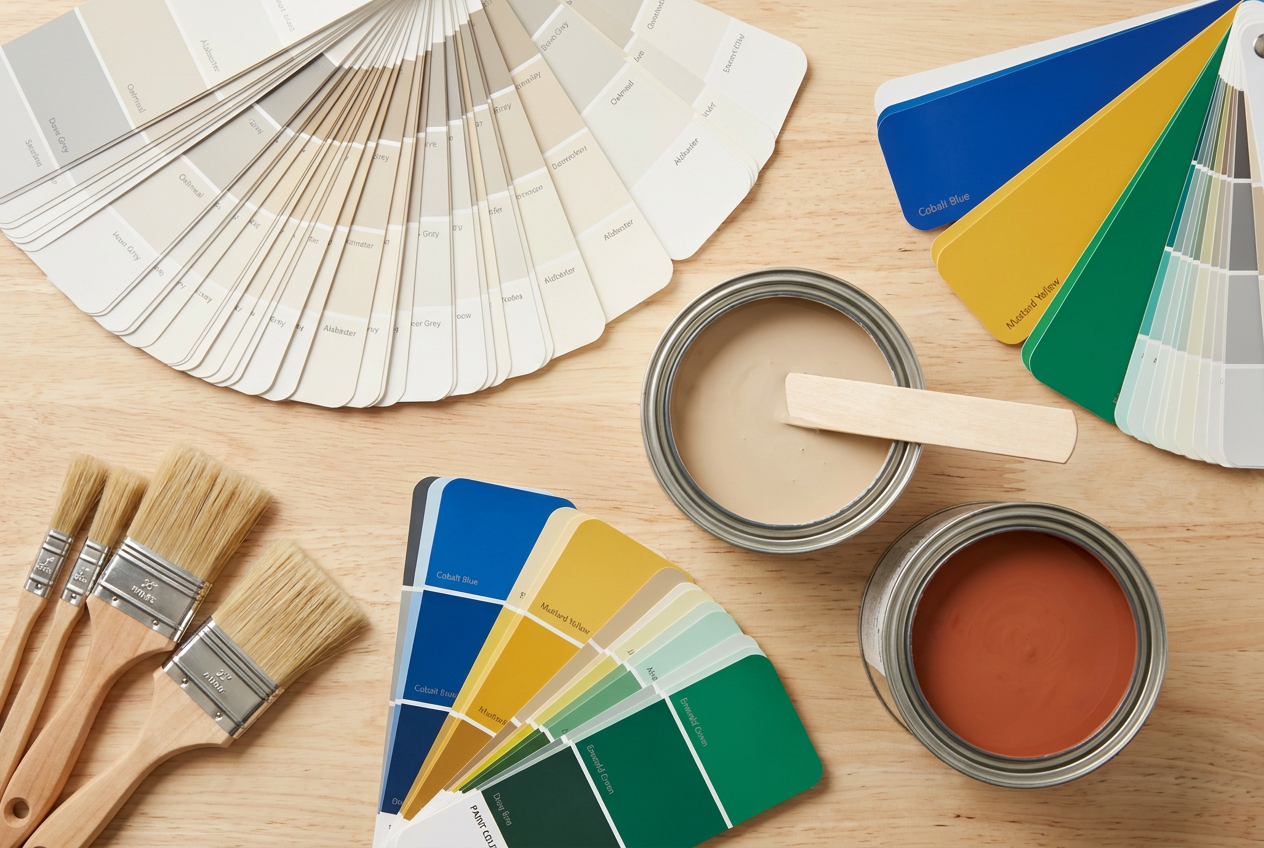
Choosing the right paint colours can feel overwhelming — what looks great on a tiny chip in the shop can look completely different on your walls at home. Fortunately, NZ homeowners have access to excellent colour consultant services and colour matching technology that take the guesswork out of the process. Whether you're refreshing a single room or repainting your entire home, this guide walks you through exactly how to make the most of these services.
What Is a Colour Consultant?
A colour consultant is a trained professional who helps you select paint colours that suit your home's architecture, lighting, existing furnishings, and your personal style. They understand how colours interact with each other and how natural and artificial light affects the way a colour reads on a wall.
In New Zealand, the major paint brands offer in-store and in-home consultation services:
- Resene has a network of ColorShops staffed by trained colour consultants who can advise you in-store or visit your home.
- Dulux offers colour consultation through their trade centres and selected retailers.
- Wattyl provides colour advice through their store network and online tools.
Some consultants are independent professionals who work across multiple paint brands and can give truly unbiased advice.
In-Store vs. In-Home Consultations
| Type | Best For | Typical Cost |
|---|---|---|
| In-store consultation | Quick advice, single room, colour matching | Often free or low cost |
| In-home consultation | Whole-house projects, complex lighting, exterior | Usually a fee applies |
| Independent consultant | Unbiased, multi-brand, design-focused projects | Fee-based, varies widely |
In-store consultations are a great starting point. Bring photos of your space, fabric swatches, flooring samples, or anything that reflects the existing colours in your home. The more context you give the consultant, the better their recommendations will be.
In-home consultations are worth the investment for larger projects. The consultant visits your home, assesses the natural light at different times of day, looks at your fixed elements (cabinetry, flooring, roof colour, cladding), and provides a tailored colour scheme. Resene, for example, offers in-home consultations through their ColorShop network — check their website for availability in your region.
What Is a Colour Matching Service?
Colour matching is a different service — it's about reproducing an existing colour rather than choosing a new one. If you want to match:
- An existing wall colour you've run out of
- A colour from a fabric, tile, or piece of furniture
- A competitor brand's paint colour
...a colour matching service uses a spectrophotometer (a small scanning device) to read the exact colour and mix a paint to match it. Most Resene ColorShops, Dulux trade centres, and Mitre 10 and Bunnings paint departments offer this service.
How Colour Matching Works
- Bring in your sample — a painted chip, a fabric swatch, a tile, or even a piece of furniture if it's small enough.
- The staff scan it with the spectrophotometer.
- The machine calculates the formula and the paint is custom-mixed on the spot.
- You take home a test pot first to check the match in your own lighting before committing to full tins.
Keep in mind that colour matching is not always perfect — different paint sheens, substrates, and aged paint can all affect the final result. Always test before you buy in bulk.
How to Prepare for a Colour Consultation
Getting the most out of your consultation comes down to preparation:
- Gather samples of fixed elements — flooring, tiles, benchtops, curtain fabric, upholstery.
- Take photos of your rooms in both natural daylight and with artificial lighting on.
- Note your home's orientation — north-facing rooms get warm light; south-facing rooms can feel cooler and may need warmer tones to compensate.
- Think about the mood you want to create — calm and restful, bold and dramatic, light and airy?
- Consider the exterior — if you're painting outside, note your roof colour, joinery colour, and any neighbouring homes.
NZ's varied climate also plays a role. Homes in Auckland's humid, overcast conditions may read colours differently to those in Canterbury's bright, dry light. A good consultant will factor this in.
Testing Your Colours Before You Commit
Never skip the test pot stage. Paint a large swatch (at least A3 size, ideally larger) directly onto the wall and observe it at different times of day and under artificial light. Resene's testpot system is well regarded, and Dulux also offers test pots across their range.
Paint two or three colour options side by side so you can compare them in context. Colours look very different next to each other than they do on separate chips.
Exterior Colour Considerations
For exterior painting, colour choice can also be influenced by your local council's district plan or, if you live in a heritage area, heritage overlay rules. It's worth checking with your local council before committing to a dramatic colour change. BRANZ also has useful guidance on exterior paint systems and performance in NZ conditions.
When to Call a Professional
While choosing colours is something any homeowner can do with the right help, the actual painting work — especially for large exteriors, multi-storey homes, or surfaces requiring specialist preparation — is best left to a qualified painter. A professional painter will also have a trained eye for colour and can often spot potential issues (like how a colour will look once it dries or how it interacts with your specific substrate) that are easy to miss.
You can find qualified, reviewed local painters on tradedirectory.co.nz to help bring your colour choices to life.