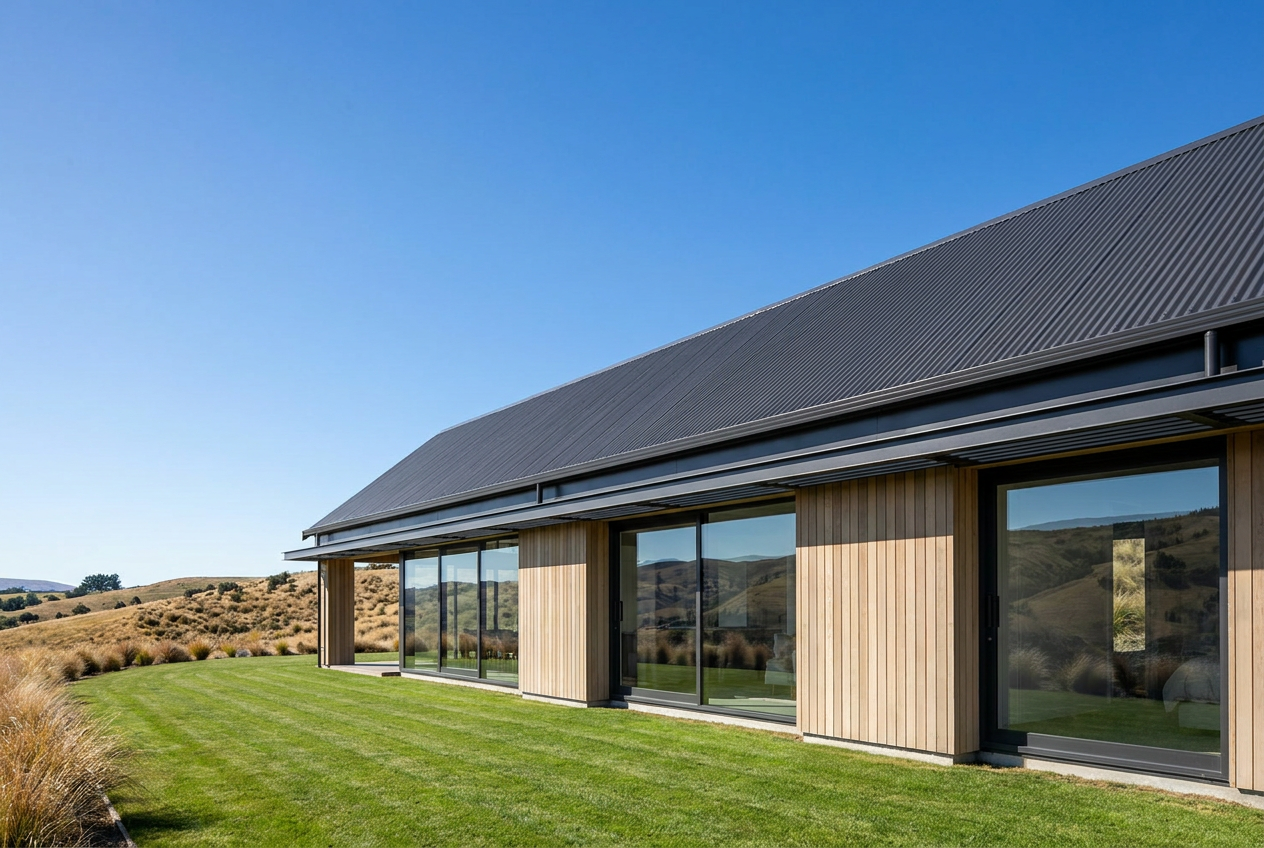
A leaking or ageing roof is one of those problems that only gets worse if you ignore it. The good news is that not every roofing issue means a full replacement — but knowing the difference between a fixable fault and a roof that's reached the end of its life can save you thousands of dollars (or prevent a costly mistake if you patch something that really needs replacing).
Start With a Safe Visual Inspection
Before anything else, do not climb onto your roof unless you have the right safety equipment and experience. Falls from roofs are a leading cause of serious injury in New Zealand. WorkSafe NZ has clear guidance on working at height. Instead, use binoculars from the ground, inspect from an upstairs window, or hire a qualified roofer to carry out a proper assessment.
From the ground or a safe vantage point, look for:
- Missing, cracked, or curling tiles/sheets — isolated damage often points to a repair
- Sagging areas — this can indicate structural issues beneath the surface
- Rust streaks or staining on metal roofs
- Moss, lichen, or heavy debris build-up along valleys and gutters
- Damaged or missing flashing around chimneys, skylights, and penetrations
Check Inside Your Roof Space
Your ceiling and roof cavity can tell you a lot. On a sunny day, go into your roof space and look for:
- Daylight showing through — a clear sign of gaps or holes
- Water stains, damp insulation, or mould on the underlay or timber framing
- Sagging or soft spots in the sarking or decking
- Rot in the rafters or purlins — this moves the problem from roofing into structural territory
If you find widespread rot or structural damage, you're likely looking at more than just a roofing job. BRANZ has excellent technical resources on moisture damage and building envelope performance.
Know Your Roof's Age and Material
Different roofing materials have different lifespans in New Zealand's varied climate — from the UV intensity of Central Otago to the salt air of coastal areas.
| Roofing Material | Typical Lifespan (NZ conditions) |
|---|---|
| Corrugated steel (Colorsteel®) | 30–50+ years with maintenance |
| Concrete tiles | 40–50+ years |
| Clay tiles | 50–100+ years |
| Asphalt shingles | 15–25 years |
| Long-run steel (standing seam) | 40–50+ years |
| Butyl/membrane (flat roofs) | 15–25 years |
If your roof is approaching or past its expected lifespan and you're experiencing problems, repairs may only be a short-term fix. A roof that's had multiple patches over the years is often telling you it's time.
Signs That Point to Repair
A repair is usually the right call when:
- Damage is localised — for example, a few broken tiles after a storm, or a single area of flashing that has lifted
- The rest of the roof is in good overall condition
- The roof is relatively young and has plenty of serviceable life left
- The issue is a blocked valley or gutter causing water to back up
- You have a minor leak traced to a single penetration or join
Signs That Point to Replacement
A full replacement is likely the better investment when:
- More than a quarter to a third of the roof surface is damaged or deteriorated
- You're experiencing multiple leaks in different areas
- The underlay (sarking or building wrap) is brittle, torn, or missing — this is a critical weatherproofing layer
- There is widespread rust on a metal roof, especially at the laps or fasteners
- Tiles are porous, spalling, or crumbling and no longer shedding water effectively
- The roof structure itself — rafters, purlins, or decking — has rot or significant movement
- You're planning a re-clad or major renovation and it makes sense to do the roof at the same time
- Your insurer or a building report has flagged the roof as at end of life
Consider the NZ Building Code
Any roofing work — repair or replacement — must comply with the NZ Building Code, particularly Clause E2 (External Moisture). A full re-roof on most homes will require a building consent, and the work must be carried out or supervised by a Licensed Building Practitioner (LBP) in the relevant category. Always check with your local council before starting significant work.
Get a Professional Assessment
If you're genuinely unsure, the most reliable step is to get a qualified roofer to inspect and give you a written assessment. A good roofer will tell you honestly whether a repair will hold or whether you're throwing money at a roof that needs replacing. Be wary of anyone who immediately pushes for a full replacement without clearly explaining why.
For rental properties, landlords also need to be aware of Healthy Homes Standards — a roof that allows moisture ingress can affect compliance. See Tenancy Services for more information.
When to Call a Professional
Always use a qualified, experienced roofer for:
- Any work that requires going onto the roof
- Full or partial re-roofing (likely requires an LBP and building consent)
- Structural repairs to rafters or purlins
- Flashing work around chimneys, skylights, or penetrations
You can find trusted local roofing professionals on tradedirectory.co.nz — look for roofers with LBP registration and good reviews.