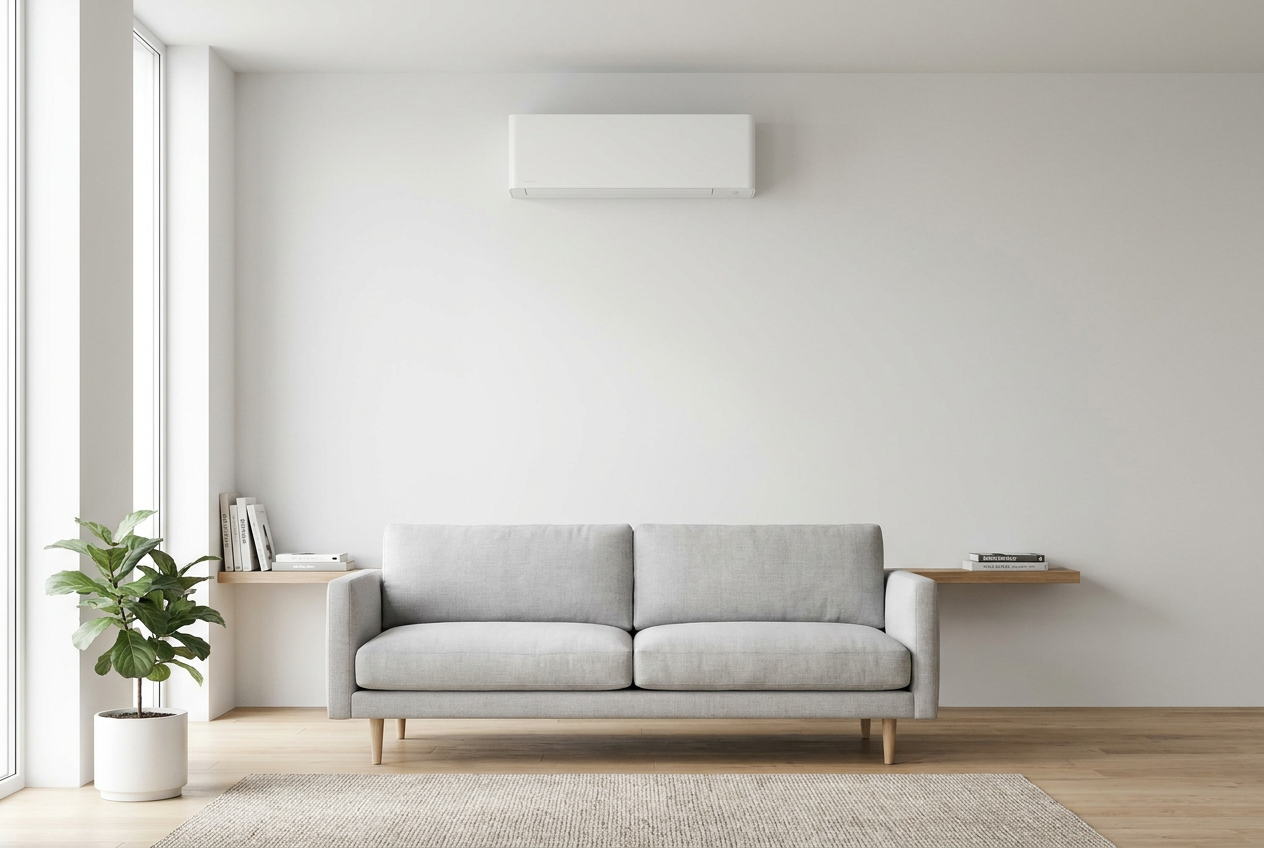
A cold, damp home isn't just uncomfortable — it can seriously affect your family's health and damage your property over time. The good news is that most New Zealand homes can be made significantly warmer and drier with a combination of smart upgrades and simple habits. Here's how to tackle the problem from the ground up.
Understand Why NZ Homes Get Cold and Damp
New Zealand's climate is more challenging than many people realise. Our homes — especially older villas and bungalows — were often built with little or no insulation, single-glazed windows, and poor draught sealing. Moisture enters from cooking, showering, breathing, and even rising damp from the ground. When warm, moist air hits cold surfaces like windows and uninsulated walls, it condenses — and that's where mould and dampness take hold.
BRANZ research consistently shows that a large proportion of New Zealand homes are under-insulated and poorly ventilated, making this a widespread issue rather than a one-off problem.
Start With Insulation
Insulation is the single most effective upgrade you can make to a cold home. Focus on these areas first:
- Ceiling insulation – Heat rises, so an uninsulated ceiling is your biggest source of heat loss. Bulk insulation batts (glasswool or polyester) are the most common solution and are a DIY-friendly job in most accessible roof spaces.
- Underfloor insulation – Cold floors make the whole house feel chilly. Foil or bulk insulation can be fitted between floor joists from underneath. This is physically demanding but achievable for a capable DIYer.
- Wall insulation – Retrofitting wall insulation usually requires a professional, as it typically involves blowing in loose-fill insulation or removing wall linings.
Check whether you qualify for a Warmer Kiwi Homes government subsidy — eligible homeowners can receive significant funding toward ceiling and underfloor insulation. Visit Energywise for current eligibility criteria and to find approved installers.
Control Moisture at the Source
Reducing the amount of moisture generated inside your home makes a huge difference:
- Always use extractor fans when cooking and showering, and leave them running for several minutes after you finish.
- Vent your dryer outside — never into the house or roof space.
- Dry washing outdoors where possible, or use a vented dryer. A single load of wet laundry can release several litres of moisture into the air.
- Use lids on pots when cooking.
- If you have a subfloor, ensure it has adequate ventilation and consider a ground vapour barrier to stop moisture rising from the soil.
Ventilate Smartly
There's a balance between keeping warmth in and letting moisture out. Open windows briefly on dry, sunny days to flush out stale, humid air — even 10–15 minutes can help. Positive pressure ventilation (HRV-style) systems can also help in persistently damp homes, though they work best when combined with good insulation and heating.
Heat Your Home Efficiently
A cold home is often a damp home — warm air holds more moisture and keeps surfaces above the dew point. The most efficient way to heat a New Zealand home is with a heat pump (reverse-cycle air conditioner).
Why a Heat Pump?
| Heating Type | Efficiency | Upfront Cost | Running Cost |
|---|---|---|---|
| Heat pump | Very high (300–500% efficient) | Medium–High | Low |
| Electric panel heater | Low (100% efficient) | Low | High |
| Gas heater (flued) | Medium | Medium | Medium |
| Wood burner | Variable | Medium | Low–Medium |
A correctly sized and positioned heat pump will heat your living areas quickly and economically, and many models also dehumidify the air as they run — a double benefit in winter.
For most homes, a wall-mounted split-system heat pump in the main living area is the best starting point. Larger homes may benefit from a multi-split system or a ducted unit.
Heat pump installation is restricted electrical work and must be carried out by a registered electrician and/or a licensed heat pump installer. Never attempt to connect refrigerant lines or electrical wiring yourself. You can find qualified local heat pump installers on tradedirectory.co.nz.
Seal Draughts
Draughts can account for a surprising amount of heat loss. Check and seal:
- Door and window gaps with self-adhesive foam or rubber draught strips (available at Bunnings or Mitre 10)
- Skirting board gaps with flexible sealant
- Unused fireplaces with a chimney balloon or board
- Ceiling penetrations around light fittings and pipes
This is straightforward DIY work and costs very little relative to the comfort improvement.
Upgrade Your Windows
Single-glazed windows are a major cold spot. Options include:
- Secondary glazing – A DIY-friendly film or acrylic panel fitted inside the existing frame
- Double glazing – A full replacement requiring a joinery professional
- Heavy lined curtains – A cost-effective short-term measure; close them at dusk to trap heat
Healthy Homes Standards — Landlords Take Note
If you're a landlord, be aware that the Tenancy Services Healthy Homes Standards set legally required minimums for heating, insulation, ventilation, moisture control, and draught stopping in rental properties. Non-compliance can result in significant financial penalties.
When to Call a Professional
Some jobs genuinely need a qualified tradesperson:
- Heat pump installation – Restricted electrical work; must be done by a licensed installer (EWRB)
- Flued gas heater installation – Restricted gasfitting work (PGDB)
- Wall insulation – Usually requires specialist equipment
- Subfloor drainage or moisture issues – May need a plumber or builder (LBP)
- Mould remediation – Extensive mould may require professional assessment
For any of these, find a trusted local professional at tradedirectory.co.nz.