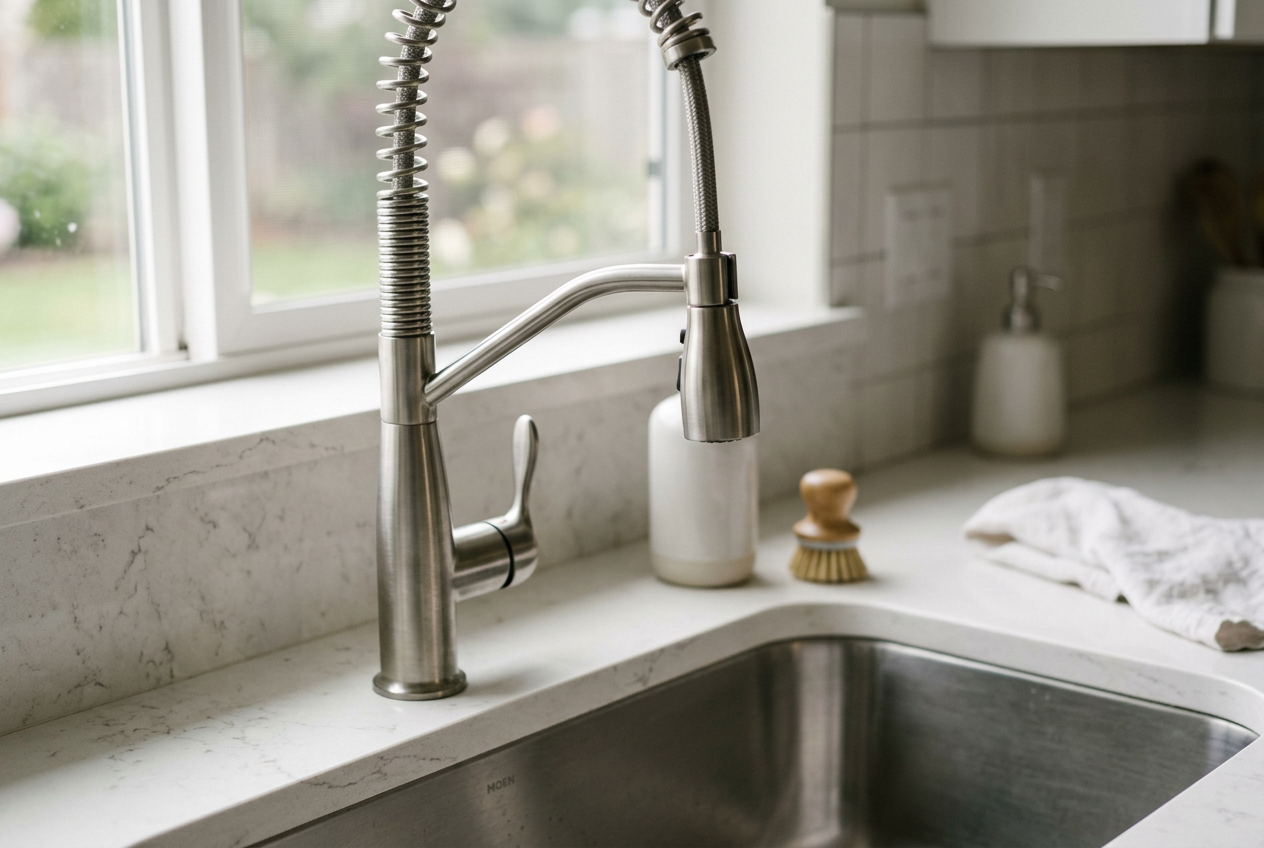
Limescale — that chalky white or grey crust that forms around taps, showerheads, and basin spouts — is one of the most common frustrations for NZ homeowners in areas with hard water. It's not just unsightly; over time it can restrict water flow, damage tap cartridges, and shorten the life of your tapware. The good news is there are practical steps you can take to reduce scale build-up and keep your fittings looking great.
What Causes Hard Water Scale?
Hard water contains elevated levels of dissolved minerals, primarily calcium and magnesium carbonates. When hard water evaporates or is heated, these minerals are left behind as a solid deposit — commonly called limescale or scale. In New Zealand, water hardness varies significantly by region. Areas like Canterbury, Hawke's Bay, and parts of Waikato tend to have harder water drawn from limestone-rich aquifers, while many urban supplies (such as Wellington's) are relatively soft. Check with your local council or water supplier to find out your water hardness level — it's usually measured in milligrams per litre (mg/L) or as "degrees of hardness."
How to Remove Existing Scale
Before you can prevent scale, it helps to start with clean tapware. Here's how to tackle existing build-up safely:
- White vinegar soak: Soak a cloth or paper towel in undiluted white vinegar and wrap it around the affected area. Leave it for 30–60 minutes (longer for heavy build-up), then scrub gently with an old toothbrush and rinse thoroughly. This is safe on most chrome and stainless finishes.
- Commercial descalers: Products like Exit Mould or dedicated limescale removers are available at Bunnings and Mitre 10. Always follow the manufacturer's instructions and check the product is suitable for your tapware finish.
- Avoid abrasive scrubbers: Steel wool or harsh scouring pads will scratch chrome and brushed nickel finishes. Stick to soft cloths or non-scratch pads.
- Matte and PVD-coated finishes: These specialty finishes (increasingly popular in NZ kitchens and bathrooms) can be damaged by strong acids. Check with your tapware manufacturer before using vinegar or commercial descalers.
Prevention Methods: From Simple to Comprehensive
1. Regular Wiping and Drying
The simplest prevention is also the most effective for surface deposits. After each use, wipe tapware dry with a soft cloth. This removes water droplets before they can evaporate and leave minerals behind. It takes seconds and makes a real difference.
2. Water-Repellent Sprays
Applying a water-repellent or hydrophobic spray (similar to car wax products) to clean, dry tapware creates a barrier that causes water to bead and run off rather than sit and evaporate. Reapply every few weeks for best results.
3. Inline Filters
A point-of-use inline filter fitted under the sink can reduce some minerals and sediment. These are a relatively affordable option available at plumbing suppliers and hardware stores. However, standard carbon filters do not remove hardness minerals — you'd need a specific ion-exchange filter for that.
4. Water Softeners
A whole-house water softener is the most effective long-term solution for hard water. These systems use an ion-exchange process to replace calcium and magnesium ions with sodium ions, producing softened water throughout your home. Benefits include:
- Virtually eliminates scale on all tapware, showerheads, and appliances
- Extends the life of hot water cylinders, dishwashers, and washing machines
- Can improve lathering of soaps and shampoos
The trade-off is cost (installation and ongoing salt top-ups), and softened water has a slightly elevated sodium content — something to consider if you're on a low-sodium diet. Some homeowners keep one unsoftened tap (typically the kitchen cold tap) for drinking water.
5. Electronic or Magnetic Descalers
These devices clamp onto your incoming water pipe and claim to alter the behaviour of minerals using electromagnetic fields, reducing scale adhesion. Evidence for their effectiveness is mixed — BRANZ and consumer testing organisations note that results vary considerably. They may be worth trying as a low-cost, no-plumbing-change option, but don't expect the same results as a proper water softener.
Comparison: Scale Prevention Options
| Method | Effectiveness | Cost (as a guide) | DIY Friendly? |
|---|---|---|---|
| Regular wiping/drying | Moderate | Free | Yes |
| Water-repellent spray | Moderate | Low | Yes |
| Inline ion-exchange filter | Moderate | Low–Medium | Mostly |
| Electronic/magnetic descaler | Variable | Low–Medium | Yes |
| Whole-house water softener | High | Medium–High | No — needs a plumber |
Protecting Your Showerhead
Showerheads are particularly prone to scale blocking the spray nozzles. Remove the showerhead (most unscrew by hand or with a wrench and cloth to protect the finish) and soak it in white vinegar for an hour or two. Many modern showerheads have rubber nozzles you can simply rub with your finger to dislodge scale. Reinstall and run the water for a minute to flush through.
When to Call a Professional
While cleaning and minor prevention measures are well within DIY territory, some scale-related work requires a licensed plumber:
- Installing a whole-house water softener or filtration system — this involves connecting to your home's water supply, which is restricted plumbing work under the Plumbers, Gasfitters and Drainlayers Board (PGDB) regulations. It must be carried out by a registered or certifying plumber.
- Replacing tap cartridges or internal components damaged by scale — while some homeowners are comfortable with this, incorrect work can cause leaks or void warranties.
- Persistent low water pressure that may indicate scale build-up inside pipes.
If you're not sure whether your water is hard enough to warrant a softener, a plumber can advise you and may be able to arrange a water hardness test. You can find qualified local plumbers on tradedirectory.co.nz.
Safety note: When using any chemical descaler, ensure the area is well ventilated, wear gloves, and keep products away from children and pets. Never mix descaling products with bleach-based cleaners — this can produce harmful fumes.