Condensation and dampness are a fact of life in many New Zealand homes, particularly older houses with little insulation or ventilation. Left unchecked, moisture can lead to mould, structural damage, and serious health problems. The good news is that most causes are well understood and there are practical steps you can take yourself — plus professionals who can help with the bigger fixes.
Why Does Condensation Happen?
Condensation forms when warm, moist air meets a cold surface — think of a cold glass on a summer's day. In a home, the culprits are usually cooking, showering, drying clothes indoors, and even breathing. When your walls, windows, and ceilings are cold (often because of poor insulation), moisture in the air hits those surfaces and turns to water droplets. Over time, this leads to mould growth, peeling paint, and a persistently damp smell.
New Zealand's climate varies widely — from the humid north to the cold, frosty south — but condensation is a problem in all regions. BRANZ research consistently identifies dampness as one of the most significant issues affecting NZ housing quality and occupant health.
Identify the Source of Moisture
Before you fix anything, work out where the moisture is coming from:
- Surface condensation — water droplets on windows, walls, or ceilings (most common)
- Rising damp — moisture wicking up from the ground through foundations or floors
- Penetrating damp — water getting in through leaks in the roof, walls, or around windows
- Subfloor moisture — common in older NZ homes with suspended timber floors and no ground vapour barrier
A simple test: tape a piece of plastic sheeting to a damp wall and seal the edges. If moisture forms on the room side of the plastic, it's condensation. If it forms behind the plastic (between plastic and wall), moisture is coming through the wall.
Improve Ventilation First
Ventilation is your first line of defence. Moisture-laden air needs somewhere to go.
- Open windows daily, even briefly, to flush out humid air
- Use extractor fans in kitchens and bathrooms — run them during and for at least 10–15 minutes after cooking or showering
- Make sure extractor fans vent outside, not into the ceiling cavity
- Avoid drying laundry indoors where possible; if you must, open a window
- Consider a heat recovery ventilation (HRV) or positive pressure ventilation (HRV/DVS-style) system for whole-house ventilation
Under the Healthy Homes Standards, rental properties must have extractor fans in kitchens and bathrooms — but these are good practice for owner-occupiers too.
Insulate to Warm Up Cold Surfaces
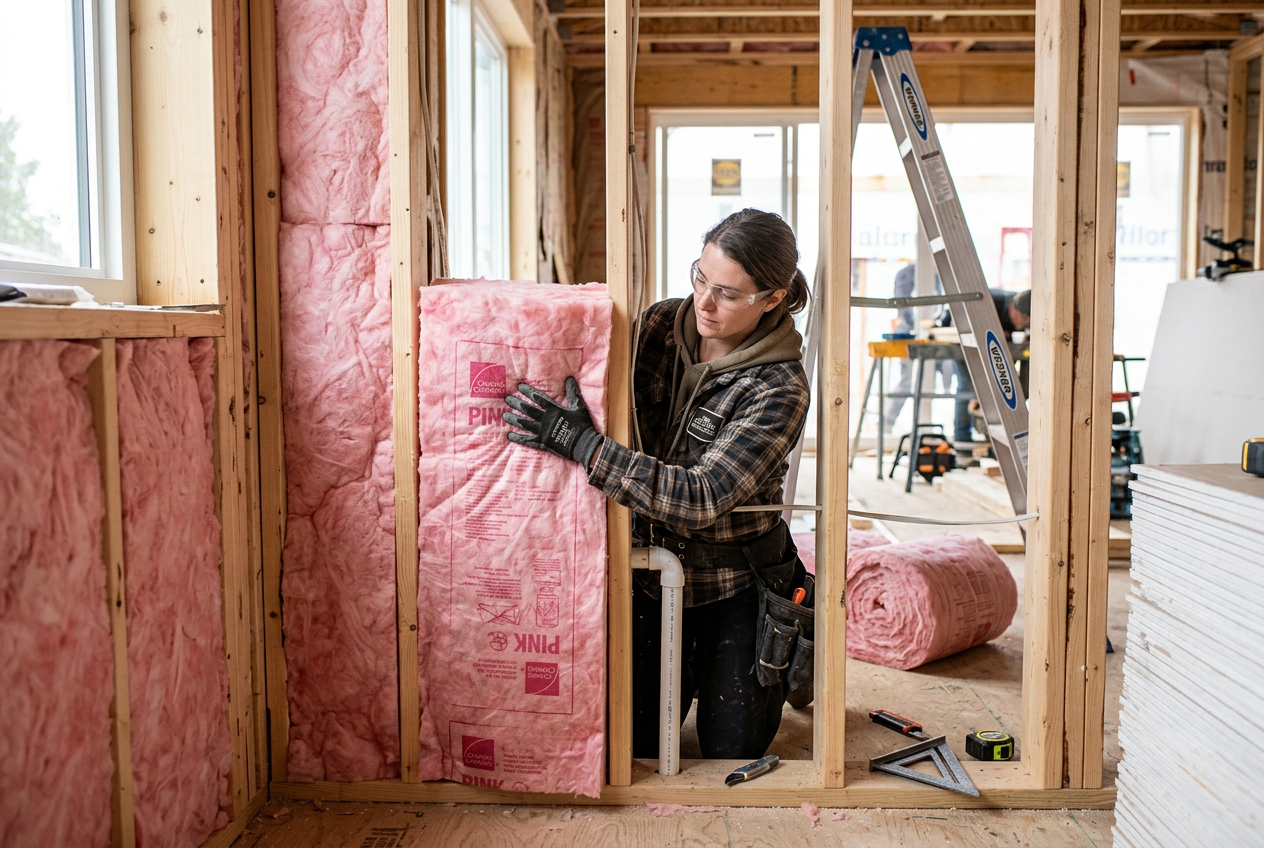
Cold surfaces cause condensation. Insulation keeps surfaces warmer, so moisture in the air is less likely to condense on them. This is one of the most effective long-term solutions.
Ceiling and underfloor insulation
These are the highest-priority areas in most NZ homes. Ceiling insulation is generally a straightforward DIY job if your ceiling space is accessible, but underfloor insulation in a suspended floor can be awkward and is often best left to a professional installer.
Wall insulation
Retrofitting wall insulation typically requires a professional — it usually involves injecting insulation through small holes in the cladding or lining. This is not a DIY job.
Double glazing
Single-glazed windows are a major cold surface in NZ homes. Upgrading to double glazing dramatically reduces condensation on glass. Secondary glazing (an inner layer of film or acrylic) is a lower-cost DIY option.
| Area | DIY Possible? | Priority |
|---|---|---|
| Ceiling insulation | Yes (accessible ceiling) | High |
| Underfloor insulation | Sometimes | High |
| Wall insulation | Generally no | Medium |
| Double glazing | Partial (secondary glazing) | Medium–High |
| Extractor fans | Basic replacement only | High |
Heat Your Home Adequately
A warm home is a drier home. Heating raises the temperature of surfaces so condensation is less likely to form. The Healthy Homes Standards require rental properties to have a fixed heater capable of heating the main living area — again, good practice for all homes.
- Heat pumps are efficient and also dehumidify the air as they run
- Avoid unflued gas heaters — they produce significant moisture as a byproduct of combustion and can worsen condensation
- Keep your home at a reasonably consistent temperature rather than letting it get very cold overnight
Address Subfloor and Rising Damp
If you have a suspended timber floor, check the subfloor space. It should be:
- Well ventilated — adequate subfloor vents around the perimeter
- Covered with a ground vapour barrier — a polythene sheet laid over bare earth dramatically reduces moisture rising from the ground
Installing or replacing a ground vapour barrier is a manageable DIY task for most homeowners. Make sure the plastic overlaps at joins and is weighted down or taped. BRANZ has good guidance on subfloor moisture management.
Use a Dehumidifier as a Short-Term Fix
A portable dehumidifier can help manage moisture levels while you work on longer-term solutions. They're particularly useful in bedrooms and living areas during winter. Empty the water reservoir regularly and keep doors closed for best effect.
When to Call a Professional
Some moisture problems go beyond DIY fixes:
- Persistent mould covering large areas may indicate a deeper moisture problem and can be a health hazard — get a professional assessment
- Wall insulation installation requires specialist equipment and expertise
- Roof or cladding leaks should be assessed and repaired by a qualified builder or roofer
- Subfloor drainage issues may need a drainlayer
- Ventilation system installation (HRV, DVS, or bathroom extractor fans wired to a switch) involves restricted electrical work that must be carried out by a registered electrician — see the Electrical Workers Registration Board for what's restricted
A qualified insulation installer can assess your home's insulation levels, recommend the right products, and install underfloor and ceiling insulation safely and to the NZ Building Code. You can find licensed local insulation installers and other tradespeople on tradedirectory.co.nz.