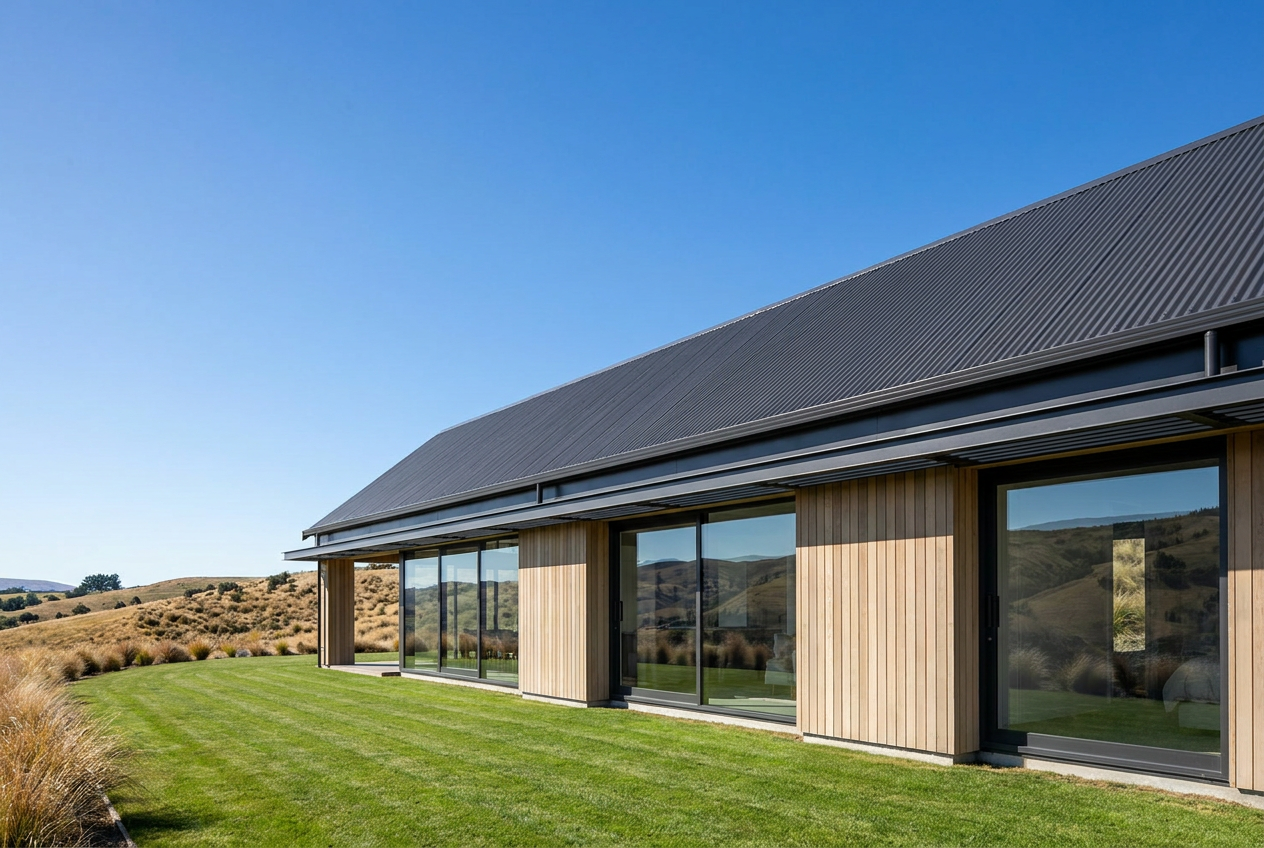
Birds nesting under corrugated or ribbed roof iron at the eaves is a very common problem in New Zealand homes. Left unchecked, nesting material can block ventilation, trap moisture, and cause premature corrosion of your roofing iron — not to mention the noise and mess. The good news is that with the right products and a bit of preparation, most homeowners can tackle this as a DIY job.
Why Birds Get Under Roof Iron
The gap between the bottom edge of corrugated or tray-profile roofing iron and the fascia or top plate is an open invitation for sparrows, starlings, and mynas — all introduced species in NZ that are not protected. These birds love the shelter and warmth, and once they nest, they return season after season. Nesting material holds moisture against the iron and timber, accelerating rot and rust.
Assess the Situation First
Before you buy anything, get up on a ladder (with someone footing it) and inspect the eaves carefully:
- Check for active nests. If birds are currently nesting with eggs or chicks, you may want to wait until the season ends before blocking the gap — this is both practical and considerate, though introduced pest species like sparrows and starlings have no legal protection in NZ.
- Look for existing damage. Check for rust, rotting fascia boards, or damaged sarking. Address these before sealing.
- Measure the profile gap. The size and shape of the gap depends on your roofing profile — corrugated iron has a different gap to tray or ribbed profiles.
- Check your soffit and fascia condition. If the timber is soft or rotten, that needs fixing first. See BRANZ for guidance on roof and eaves maintenance.
The Best Solutions for Blocking the Gap
1. Eave Filler (Bird Stopper) Strips
The most popular and effective solution is purpose-made eave filler strips, sometimes called bird stopper or profile filler. These are pre-formed foam or plastic strips shaped to match your roofing profile — corrugated, corrugate, 5-rib, tray, and others. They press into the gap between the iron and the fascia or top plate, physically blocking entry.
- Available at Bunnings and Mitre 10 in a range of profiles
- Foam versions are inexpensive and easy to cut to length
- Ventilated versions allow airflow while still blocking birds — useful if your roof space needs ventilation
- Make sure you match the strip to your exact roofing profile before purchasing
2. Mesh or Wire Bird Guard
Galvanised or stainless steel mesh can be cut and fitted across the eave gap. This is a more durable option, especially in coastal areas where foam may degrade faster in UV and salt air.
- Use a fine enough mesh (typically 12–19 mm) to prevent small birds entering
- Secure with roofing screws or staples into the fascia — avoid penetrating the iron itself unless you use the correct self-sealing roofing screws
- Stainless mesh is worth the extra cost in coastal NZ environments
3. Barge and Fascia Boards
If your fascia board sits tight against the underside of the iron, there may be very little gap to fill. In this case, check whether the iron simply needs to be re-fastened or whether a closure strip between the iron and fascia is missing. A roofer can advise on the correct flashing or closure detail for your roof type.
Step-by-Step: Fitting Foam Eave Filler Strips
- Set up your ladder safely on firm, level ground. Never lean a ladder against the guttering.
- Clean out any existing nesting material using gloves and a dust mask — bird droppings can carry pathogens. Bag and bin the material.
- Measure the eave run and cut your filler strips to length with a sharp knife or scissors.
- Press the strip firmly into the profile gap, working from one end to the other. The strip should sit snugly between the iron profile and the fascia or top plate.
- Check for gaps at joins and at the barge ends. Use offcuts to fill any voids.
- Inspect from below to confirm no daylight is visible through the gap.
Safety Notes
- Always use a stable ladder with someone present. Falls from ladders are a leading cause of serious injury in NZ — see WorkSafe NZ for ladder safety guidance.
- Wear gloves and an P2 dust mask when handling old nesting material.
- Do not walk on roofing iron without proper roof access equipment — iron can be slippery and fragile, especially older corrugated iron.
- If your roof pitch is steep or the eaves are high, leave this job to a professional.
Does This Require a Building Consent?
Fitting eave filler strips or mesh is maintenance work and does not require a building consent. However, if you're replacing fascia boards or making structural changes to the eaves, check with your local council. MBIE Building Performance has information on Schedule 1 exemptions — but when in doubt, always confirm with your council directly.
When to Call a Professional
Call a qualified roofer if:
- Your roof pitch is steep or access is difficult or dangerous
- You find rust, rot, or damaged iron that needs repair before sealing
- The fascia or soffit boards are rotten and need replacement
- You're unsure which profile filler suits your roofing type
- Birds have been nesting for years and you suspect moisture damage to the roof structure
A licensed roofer can also check your roof's overall condition while they're up there — often worth doing if your roof is more than 15–20 years old. You can find qualified local roofers on tradedirectory.co.nz.