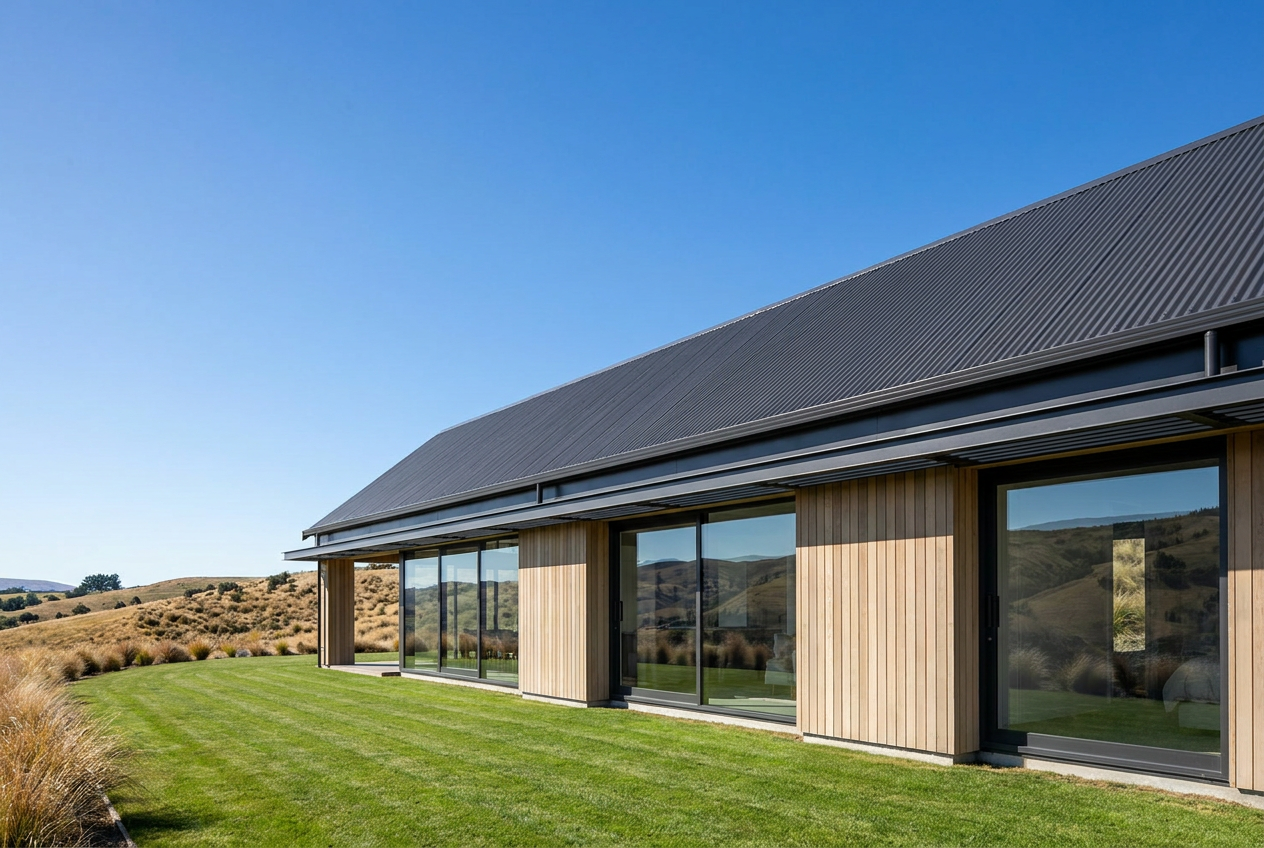
Walking on a corrugated steel roof is something many Kiwi homeowners need to do at some point — whether it's clearing leaves from a valley, checking a leak, or cleaning gutters. Done correctly, it's manageable; done wrong, it can dent or crack your roofing, void your warranty, and — far more seriously — result in a fatal fall. Before you climb up, read this guide carefully.
Understand the Risks First
Roof work is one of the leading causes of serious injury and death in New Zealand. Even a single-storey fall can be fatal. WorkSafe NZ has clear guidance that anyone working at height must take fall risks seriously — this applies to homeowners, not just tradespeople. If your roof pitch is steep (generally over 25°), wet, mossy, or frost-covered, do not attempt to walk on it yourself. Call a qualified roofer instead.
Wear the Right Footwear
Footwear makes an enormous difference. You need soft-soled, rubber-grip shoes or boots — think clean rubber-soled sneakers or dedicated roofing boots. Avoid:
- Hard-soled boots or shoes with heels
- Jandals or bare feet
- Worn-out soles with little grip
- Wet or muddy footwear
Clean your soles before climbing — grit and dirt reduce grip dramatically on steel.
Step on the Correct Part of the Sheet
This is the most important technique tip. On corrugated steel roofing, you must step on the troughs (the low points), directly over the purlins (the horizontal timber or steel supports beneath). Here's why:
- The crest (high point) of a corrugated sheet is unsupported between purlins and will flex, dent, or crack under your weight
- The trough over a purlin is the strongest point — your weight transfers directly into the structure
- Stepping on the crest, especially on older or thinner-gauge steel, risks permanent deformation or cracking the paint/coating, which can lead to rust
If you're unsure where the purlins are, look at the fastener (screw or nail) positions from outside — fixings go through the crest into the purlin below, so you can estimate purlin spacing (commonly 900 mm to 1200 mm centres on NZ residential roofs, but this varies).
Use Proper Fall Protection
For any roof access, fall protection is not optional. Practical options for homeowners include:
- Roof ladder (chicken ladder): A purpose-built ladder that hooks over the ridge and distributes your weight. Available from Bunnings or Mitre 10. This is the single most useful piece of equipment for occasional roof access.
- Safety harness and anchor point: If you're spending more than a few minutes on the roof, a harness attached to a certified anchor point is the safest option. Anchor points should be installed by a qualified person.
- Scaffolding: For anything more than a quick inspection, edge scaffolding gives you a safe working platform and is strongly recommended.
Never rely on gutters, TV aerials, or flashings to support yourself — they are not designed for this.
Protect the Roof Surface
Beyond stepping in the right place, a few extra precautions will help avoid damage:
- Avoid dragging tools across the surface — scratches break the protective coating and cause rust
- Don't kneel directly on the sheet — use a foam kneeling pad spread across two or more troughs
- Keep foot traffic to a minimum — plan your route before you go up so you're not shuffling around unnecessarily
- Check the roof condition first from the ground using binoculars — if you can see cracked, corroded, or loose sheets, don't walk on them
Weather and Timing
Only access your roof in dry, calm conditions. Steel roofing becomes extremely slippery when wet, and even morning dew is enough to cause a slip. Avoid windy days — gusts can unbalance you unexpectedly. Early afternoon on a clear day is generally ideal.
Be aware that dark-coloured steel roofing can become very hot in summer sun — hot enough to cause burns through thin clothing or footwear soles.
Older and Fragile Roofing
If your corrugated roof is older — particularly if it's corrugated iron (galvanised steel) rather than modern coated steel — treat it with extra caution. Older iron can be brittle, especially around fastener holes and at the edges of sheets. If you see significant rust, flaking, or holes, the roof may not safely support your weight at all. Have a professional assess it before walking on it.
Building Code and Consent Considerations
Most routine roof inspections and minor maintenance don't require a building consent. However, if you're replacing roof sheets or making structural changes, you may need consent under the NZ Building Code. Always check with your local council — Schedule 1 exemptions can apply to some repair work, but rules vary. BRANZ is also a useful resource for understanding roofing standards and best practice in the NZ context.
When to Call a Professional
Be honest with yourself about your comfort level and the conditions. Call a qualified roofer if:
- Your roof pitch is steep or the surface is slippery
- You don't have access to a roof ladder or fall protection
- The roof is visibly damaged, corroded, or unstable
- You need to do anything beyond a brief visual inspection
- You're not confident working at height
A professional roofer will have the right equipment, training, and insurance. You can find qualified local roofers on tradedirectory.co.nz.