In New Zealand, removing a pull-cord light switch sounds straightforward, but it touches on restricted electrical work governed by the Electricity Act 1992. The short answer: a homeowner can safely isolate the power and remove the switch cover, but any disconnection or reconnection of wiring must be done by a registered electrician. Read on to understand exactly where the line is drawn and how to stay safe.
Understanding Restricted Electrical Work in NZ
Under NZ law, most electrical wiring work — including disconnecting or reconnecting a light switch — is restricted electrical work. This means it must be carried out by, or under the supervision of, a person registered with the Electrical Workers Registration Board (EWRB). Doing this work yourself without registration is illegal and can void your home insurance, create fire hazards, and put lives at risk.
What a homeowner can legally do:
- Turn off the circuit at the switchboard
- Remove the decorative cover plate or pull-cord housing (the plastic casing)
- Inspect the switch visually
- Replace like-for-like fittings such as a cover plate, provided no wiring is touched
What you cannot do yourself:
- Disconnect or reconnect any wires
- Extend, alter, or re-route wiring
- Install a replacement switch and connect it to the circuit
If you're unsure where the boundary lies, check the MBIE Building Performance guidance or contact a licensed electrician.
Safety First: Before You Touch Anything
⚠️ Safety warning: Electricity can kill. Never assume a circuit is dead because a switch is off. Always verify with a non-contact voltage tester before touching any component.
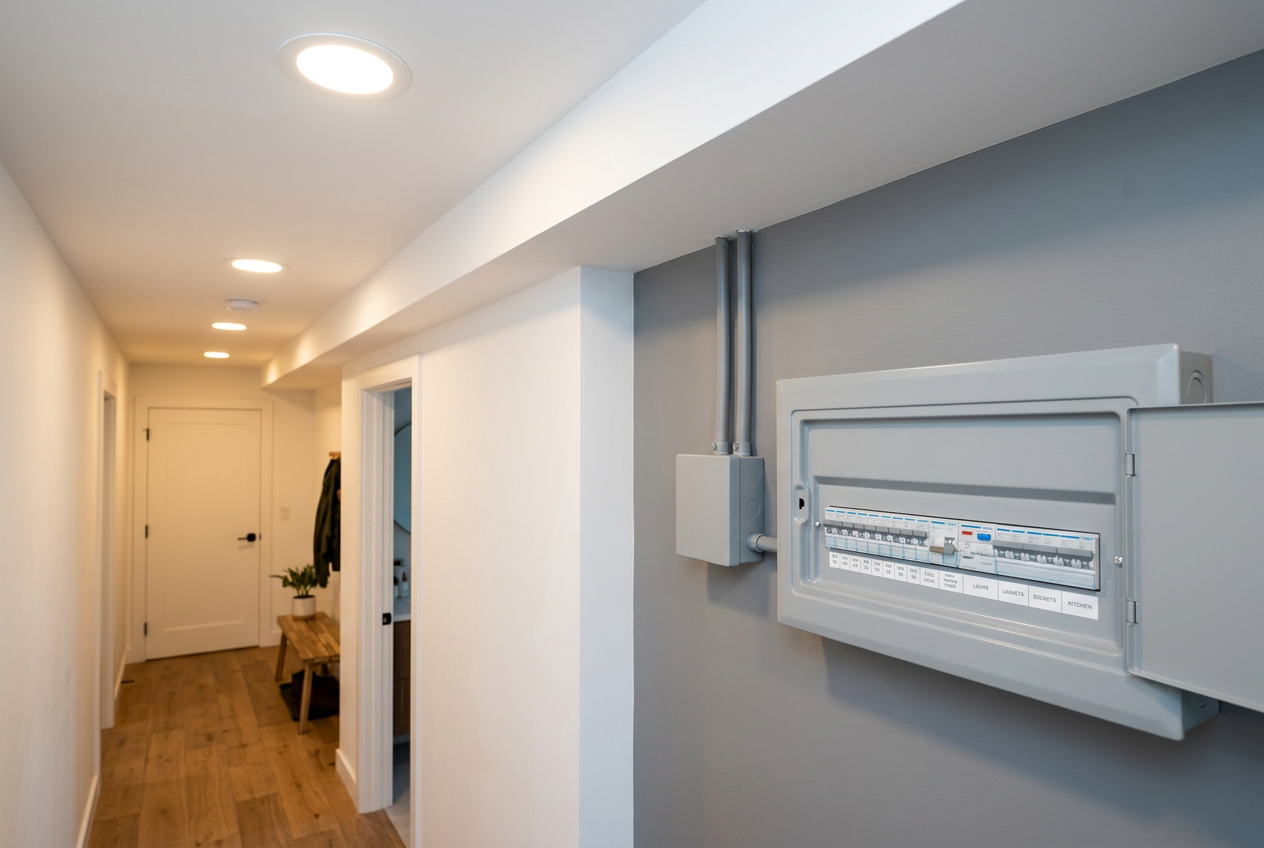
- Locate your switchboard — usually in a hallway, garage, or utility area.
- Switch off the correct circuit breaker for the room. If circuits aren't labelled, turn off the main switch.
- Test with a non-contact voltage tester (available from Bunnings or Mitre 10) at the pull-cord unit before proceeding.
- Tell others in the house the power is off so no one accidentally resets the breaker.
What a Pull-Cord Switch Actually Is
A pull-cord light switch (also called a ceiling pull switch) is commonly found in bathrooms, laundries, and older NZ homes. It's mounted on the ceiling and operated by a hanging cord. Because it's typically located in a wet area, it's designed to be operated without touching a wall-mounted switch — an important safety feature in damp environments.
Pull-cord switches in bathrooms are often required by NZS 3000 (Wiring Rules) to be positioned so they cannot be reached from a shower or bath. Any replacement must meet the same standard, so always confirm compliance with your electrician.
The Steps You Can Safely Take Yourself
Step 1: Isolate the power
Follow the safety steps above. Confirm the power is off with a voltage tester — do not skip this.
Step 2: Remove the cord and cover
Most pull-cord switches have a decorative ceiling rose or cover plate held by two or three screws. Once the power is confirmed off, you can unscrew and lower the cover to expose the switch mechanism. Stop here — do not touch any wires.
Step 3: Photograph everything
Before your electrician arrives, take clear photos of the wiring layout inside the housing. This helps them work efficiently and gives you a record.
Step 4: Call a registered electrician
At this point, hand the job over. A registered electrician will safely disconnect the old switch, install the new one (whether another pull-cord, a smart switch, or a wall switch if re-routing is needed), reconnect the wiring, and issue a Certificate of Compliance (CoC) — a legal requirement for restricted electrical work in NZ.
Choosing a Replacement Switch
If you're replacing a pull-cord with a similar unit, your electrician can advise on suitable products. Common options are available at Bunnings, Mitre 10, and PlaceMakers. Make sure any switch used in a bathroom meets the required IP (Ingress Protection) rating for wet areas — your electrician will know the correct specification.
Healthy Homes and Rental Properties
If you're a landlord, note that the Healthy Homes Standards require rental properties to have safe, functional electrical systems. Faulty or non-compliant switches must be repaired by a licensed professional, and all work must be documented with a CoC.
When to Call a Professional
Call a registered electrician for any of the following:
- Disconnecting or reconnecting wires at the switch
- Installing a new switch or changing the switch type
- Any work in a bathroom, laundry, or other wet area
- If you notice scorch marks, melted plastic, or a burning smell near the switch
- If the circuit breaker trips when you restore power
You can find qualified, local electricians on tradedirectory.co.nz. Always ask to see their EWRB registration and request a Certificate of Compliance on completion.