Replacing a faulty oven element is one of the few electrical tasks that NZ homeowners can legally carry out themselves — no licensed electrician required. Because the element simply unplugs or unbolts from existing terminals inside the oven cavity (no new wiring, no work on fixed wiring), it falls outside the definition of restricted electrical work under the Electricity Act 1992. That said, you still need to work safely and methodically. Here's how.
Understanding What's Legal for Homeowners
In New Zealand, most electrical work on fixed wiring must be carried out by a registered electrician and certified through the Electrical Workers Registration Board (EWRB). However, replacing a plug-in oven element is classed as appliance repair rather than fixed wiring work, so a homeowner can do it legally.
What you CAN do yourself:
- Replace a bake, grill, or fan-forced element that connects via spade terminals or a simple plug inside the oven cavity
- Replace the element on a freestanding or built-in electric oven (not gas)
What you CANNOT do yourself:
- Alter, repair, or extend the fixed wiring that connects the oven to the wall or switchboard
- Replace the oven's terminal block or internal wiring harness
- Do any work on a gas oven — gas work is restricted to licensed gasfitters registered with the Plumbers, Gasfitters and Drainlayers Board (PGDB)
If you're unsure whether your repair crosses into restricted work, check with MBIE Building Performance or call a qualified electrician — you can find one on tradedirectory.co.nz.
Safety First
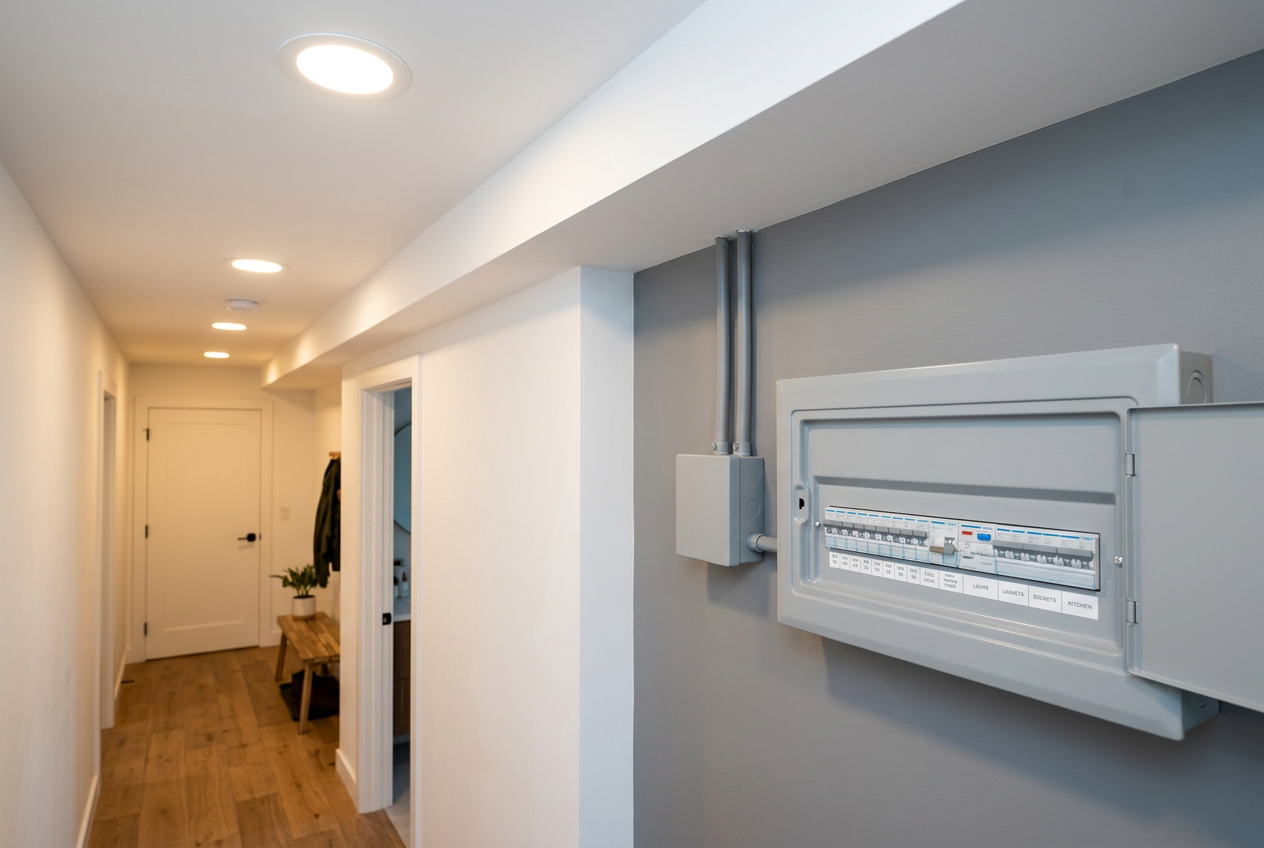
⚠️ Always isolate the power before starting. Switch the oven off at the wall switch AND turn off the dedicated circuit breaker at your switchboard. Use a non-contact voltage tester to confirm there is no live voltage before touching any terminals. Never assume the oven is safe just because it's switched off at the dial.
Allow the oven to cool completely if it has been recently used. Wear safety glasses to protect against any debris inside the cavity.
Tools and Parts You'll Need
- Replacement element — matched to your oven's make, model, and element type (bake, grill, or fan)
- Screwdrivers (Phillips and flat-head)
- Non-contact voltage tester
- Needle-nose pliers
- Camera or phone (to photograph wiring before disconnecting)
- Cloth or towel (to protect the oven door glass)
You can source replacement elements from appliance parts suppliers, or check Bunnings or Mitre 10 for common brands. Always match the element's wattage and voltage rating exactly to the original — this information is on the element itself or in your oven's manual.
Step-by-Step: Replacing the Element
1. Isolate the power
Turn off the oven at the wall isolator switch and at the switchboard circuit breaker. Confirm with a non-contact voltage tester.
2. Remove the oven racks
Slide out all racks and set them aside so you have clear access to the cavity.
3. Photograph the existing element
Before removing anything, take clear photos of how the element sits and how the wires connect. This is your reference for reassembly.
4. Unscrew the element
Most elements are held in place by two or three screws at the back or sides of the oven cavity. Remove these carefully and gently pull the element forward — the wires will have a small amount of slack.
5. Disconnect the terminals
Note which wire connects to which terminal (your photos help here). Use needle-nose pliers to gently pull the spade connectors off the element terminals. Do not yank the wires — they can be fragile.
6. Fit the new element
Slide the spade connectors firmly onto the new element's terminals, matching the original configuration. Push the element back into position and refit the screws snugly — don't overtighten.
7. Restore power and test
Replace the oven racks, restore power at the switchboard, and test the element on a low setting. Watch for any smoke (a small amount of burning-off is normal on a brand-new element), unusual smells, or tripped breakers. If the circuit breaker trips immediately, switch off and call an electrician.
Common Signs of a Faulty Element
| Symptom | Likely cause |
|---|---|
| Element not heating at all | Burnt-out element or failed connection |
| Visible burn marks or blistering | Element has blown — replace immediately |
| Uneven cooking results | Partial element failure |
| Circuit breaker tripping | Short circuit — may need electrician |
When to Call a Professional
Call a licensed electrician if:
- The circuit breaker trips when you restore power after fitting the new element
- You find burnt, melted, or damaged wiring inside the oven cavity
- The oven's terminal block or internal wiring looks damaged
- You're not confident working safely around electrical components
- Your oven is hardwired and you need to disconnect it from the wall — that's restricted electrical work
A qualified electrician can also safety-check your oven's wiring while they're there. Find a trusted local electrician on tradedirectory.co.nz.