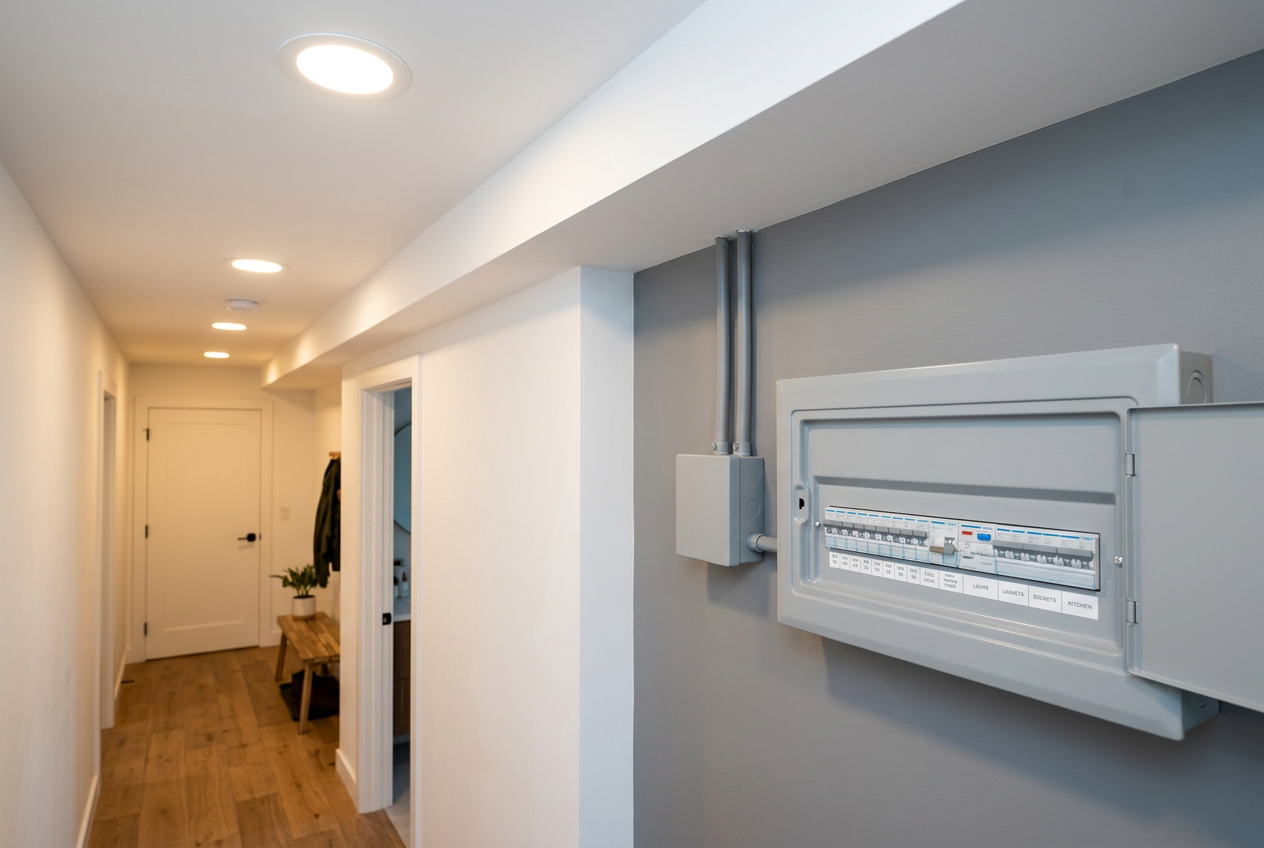
Good lighting transforms a room from merely functional to genuinely comfortable and inviting. The secret professionals use is layering light — combining different types of lighting so you can adapt the mood and brightness to suit any activity. Whether you're renovating a kitchen, refreshing a lounge, or fitting out a new bedroom, understanding the three layers of light will help you plan smarter before you spend a cent.
The Three Layers of Light
Every well-lit room relies on three complementary layers working together:
1. Ambient (General) Lighting
Ambient lighting is the base layer — it fills the room with overall, even illumination. Think ceiling-mounted fixtures, recessed downlights, or a central pendant. This is your starting point and should be dimmable where possible so you can adjust the mood.
2. Task Lighting
Task lighting targets specific work areas where you need focused, shadow-free light. Examples include under-cabinet lights in a kitchen, a reading lamp beside an armchair, a vanity light above a bathroom mirror, or a desk lamp in a home office. Task lighting reduces eye strain and makes detailed work much easier.
3. Accent Lighting
Accent lighting adds depth, drama, and personality. It highlights architectural features, artwork, shelving, or plants. Wall sconces, picture lights, LED strip lighting inside joinery, and directional spotlights all fall into this category. As a rough guide, accent lighting is typically two to three times brighter than the ambient layer in the area it's highlighting.
Planning Your Lighting Layout
Before buying a single fitting, sketch your room to scale and mark:
- Furniture placement — where will the sofa, bed, or workbench sit?
- Task zones — cooking area, reading nook, desk, bathroom vanity
- Architectural features — alcoves, exposed beams, artwork walls
- Existing power points and ceiling roses — these affect where new circuits can run
Once you have a sketch, you can decide which layer serves each zone and choose fittings accordingly.
Choosing the Right Colour Temperature
Colour temperature (measured in Kelvin) dramatically affects how a room feels:
| Colour Temperature | Appearance | Best Used In |
|---|---|---|
| 2700–3000 K | Warm white | Bedrooms, lounges, dining rooms |
| 3500–4000 K | Neutral/cool white | Kitchens, bathrooms, home offices |
| 5000–6500 K | Daylight | Garages, workshops, utility rooms |
For living areas, warm white (around 2700–3000 K) creates a relaxed, welcoming atmosphere. Mixing colour temperatures in the same room can look jarring, so try to keep them consistent within a space.
LED vs Other Lamp Types
For most NZ homes today, LED fittings are the clear choice. They use a fraction of the energy of older halogen or incandescent lamps, last far longer, and are available in a wide range of colour temperatures and beam angles. Energywise has useful guidance on energy-efficient lighting choices for NZ households. When selecting downlights, check the beam angle — a narrow beam (around 25°) suits accent lighting, while a wide beam (60°+) is better for general ambient fill.
Dimmer Switches and Smart Controls
Fitting dimmer switches to your ambient and accent circuits gives you enormous flexibility. A bright setting works for cleaning or homework; a low, warm setting suits a dinner party or movie night. Not all LED fittings are dimmable, so always check compatibility before purchasing — look for fittings and dimmers that are rated to work together.
Smart lighting systems (such as those compatible with common NZ smart-home platforms) let you control colour temperature and brightness via an app or voice assistant, and can be programmed to change throughout the day. These systems still require correct wiring by a licensed electrician.
Bathroom and Wet Area Considerations
Bathroom lighting must comply with the NZ Building Code clause G7 (Natural Light) and relevant electrical safety standards. Fittings inside shower enclosures and above baths must carry an appropriate IP (Ingress Protection) rating for wet areas — typically IP65 or higher. Always check fitting specifications and discuss requirements with your electrician. MBIE Building Performance outlines the relevant code requirements.
What You Can Do Yourself
As a homeowner, you can safely:
- Plan your lighting layout and choose fittings
- Replace a like-for-like light fitting on an existing switched circuit (in most cases — check with your local council)
- Install plug-in lamps, LED strip lights powered by a plug-in transformer, and battery-operated accent lights
- Change lamp bulbs
When to Call a Professional
Electrical wiring work is restricted work under the Electricity Act 1992. Installing new circuits, adding extra light points, relocating switches, installing downlights that require new wiring, or any work inside your switchboard must be carried out by a registered electrician and requires a Certificate of Compliance (CoC). Doing this work yourself is illegal, dangerous, and can void your home insurance.
You can verify a registered electrician through the Electrical Workers Registration Board (EWRB). For peace of mind, find a qualified local electrician on tradedirectory.co.nz who can bring your lighting plan to life safely and to code.
Safety note: Never work on any wiring or fittings without first switching off the relevant circuit at the switchboard and confirming the power is off with a non-contact voltage tester.