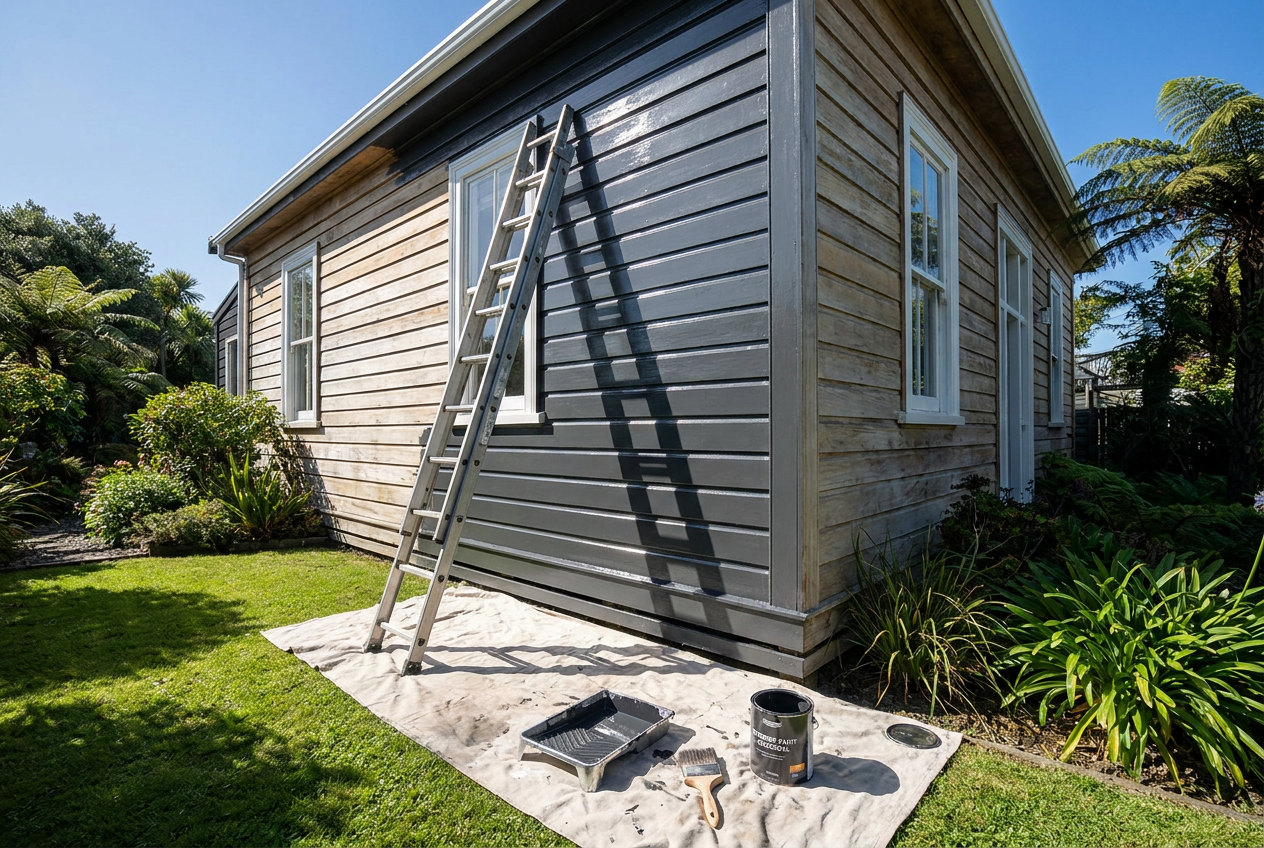
Painting galvanised steel or bare metal sounds straightforward, but it's one of the most common causes of premature paint failure in NZ homes. The slick, oily surface of new galvanising actively repels paint unless you treat it first. Get the prep right and your finish will last for years; skip it and you'll be back to square one within a season.
Why Paint Fails on Metal
New galvanised steel is coated in zinc, which weathers to form a layer of zinc salts (sometimes called white rust or wet storage stain). This layer is smooth, slightly alkaline, and poorly adhesive — a nightmare for paint. Bare steel, on the other hand, rusts quickly if left unprimed, and mill scale on new steel also prevents good adhesion. Understanding the surface you're dealing with is the first step to choosing the right system.
Identifying Your Metal Surface
Before you buy anything, work out what you're painting:
- New (bright) galvanised steel — shiny, spangled finish, often on new roofing, gutters, downpipes, or fencing.
- Weathered galvanised steel — dull grey, chalky surface; actually easier to paint than new galvanising.
- Bare/mild steel — uncoated iron or steel that may already show surface rust.
- Aluminium — lightweight, non-rusting, but also needs etching or a specific primer.
Surface Preparation — The Most Important Step
Good prep is everything. No primer or paint will compensate for a dirty or untreated surface.
Cleaning
- Degrease thoroughly. Wipe down with a solvent-based degreaser or a strong sugar soap solution to remove oils, grease, and handling residue. New galvanised steel from the factory often has a release oil on it.
- Remove white rust or loose material. Use a stiff nylon brush or fine wet-and-dry sandpaper (around 120–180 grit) to knock back any white rust or flaking. Don't use steel wool on galvanised — it leaves iron particles that cause rust staining.
- Rinse and allow to dry completely before applying any primer.
Etching New Galvanised Steel
For new, shiny galvanised surfaces, you have two options:
- Chemical etch: Apply a galvanised iron etch primer or a proprietary etching solution (such as those available from Resene or Dulux) to lightly bite into the zinc surface and create mechanical adhesion.
- Mechanical abrasion: Lightly sand or scuff the surface with 120-grit wet-and-dry paper to create a key, then degrease again before priming.
For weathered galvanised steel, a thorough clean and degrease is usually sufficient before priming — the natural weathering has already created a better surface for adhesion.
Choosing the Right Primer
This is where many DIYers go wrong — using a standard wall primer on metal. You need a metal-specific primer.
| Surface | Recommended Primer Type |
|---|---|
| New galvanised steel | Galvanised iron primer / etch primer |
| Weathered galvanised steel | Galvanised iron primer or direct-to-metal primer |
| Bare/mild steel | Rust-inhibiting primer (zinc phosphate or similar) |
| Aluminium | Etch primer or aluminium-specific primer |
Well-known NZ options include Resene's Galvo Primer, Dulux's Metalshield range, and Wattyl's metal primers — all widely available at Mitre 10 and Bunnings. Always read the product data sheet for the specific primer you choose, as application instructions vary.
Applying Primer and Top Coat
- Apply primer in dry conditions. Avoid painting in high humidity, rain, or when temperatures are below about 10°C or above 35°C. NZ's coastal and high-humidity environments can be challenging — check the weather forecast.
- Apply a thin, even coat of primer. Two thin coats are better than one thick coat.
- Allow full cure time before top coating — check the product data sheet, as this varies.
- Choose a compatible top coat. Use a paint system designed for metal — oil-based alkyd enamels, two-pack epoxies, or quality acrylic metal paints. Make sure your top coat is recommended by the primer manufacturer for use over that specific primer.
- Apply two top coats for durability, especially on exterior surfaces exposed to NZ's UV and coastal salt air.
Exterior Metal in NZ Conditions
NZ's UV levels are among the highest in the world, and coastal areas add salt spray to the mix. For roofing, gutters, and exterior fencing:
- Use a UV-stable top coat rated for exterior metal.
- In coastal zones (within a few kilometres of the sea), consider a higher-build system or more frequent maintenance repaints.
- BRANZ provides excellent guidance on paint systems for different NZ exposure zones — worth checking before you commit to a product.
Common Mistakes to Avoid
- Skipping the degreaser — the single biggest cause of adhesion failure on new metal.
- Using interior paint on exterior metal.
- Painting over rust without treating it first — use a rust converter or sand back to bare metal.
- Not allowing primer to cure before top coating.
- Applying paint too thickly in one coat, which leads to runs and poor adhesion.
When to Call a Professional
For large areas like a full roof repaint, complex metalwork, or if you're dealing with lead paint on older metal surfaces, it's worth getting a qualified painter involved. Older homes (pre-1980s) may have lead-based paint — disturbing this without proper precautions is a health risk covered by WorkSafe NZ guidelines. A professional painter will have the right equipment, product knowledge, and experience to handle tricky surfaces efficiently. You can find qualified local painters on tradedirectory.co.nz.