Keeping on top of home maintenance is one of the best investments you can make as a homeowner. A well-structured seasonal checklist helps you catch small problems before they become expensive repairs — and in New Zealand's varied climate, timing really does matter. Here's how to build a checklist that suits your home and your region.
Why a Seasonal Approach Makes Sense in New Zealand
New Zealand's climate varies enormously — from the humid, subtropical north to the cold, wet south and the dry, hot summers of Central Otago. A one-size-fits-all checklist won't cut it. Seasonal maintenance means you're preparing your home before the weather changes, not scrambling to fix damage after the fact. BRANZ research consistently shows that regular maintenance significantly extends the life of building materials and reduces long-term costs.
Step 1 — Start with a Home Audit
Before you write a single checklist item, walk around your property with a notepad (or your phone) and take stock of what you have:
- Roof type — iron, tiles, membrane flat roof?
- Exterior cladding — weatherboard, brick, plaster, fibre cement?
- Heating system — heat pump, wood burner, gas?
- Plumbing — any exposed pipes, hot water cylinder age?
- Decks, fences, and outbuildings
- Gutters and downpipes
This audit forms the backbone of your checklist. Every item on your list should trace back to something on your property.
Step 2 — Organise Tasks by Season
Divide your checklist into four seasonal blocks. Below is a general framework — adapt it to your region and home type.
| Season | Focus Areas |
|---|---|
| Summer (Dec–Feb) | UV damage, deck maintenance, ventilation, pest entry points |
| Autumn (Mar–May) | Gutter clearing, roof inspection, draught-proofing, heating service |
| Winter (Jun–Aug) | Insulation checks, condensation, pipe protection, smoke alarms |
| Spring (Sep–Nov) | Exterior painting, garden drainage, damp checks, deck prep |
Summer Tasks
- Inspect exterior paint and cladding for cracking or peeling — UV is harsh in NZ. Resene has good guidance on paint maintenance and suitable exterior coatings.
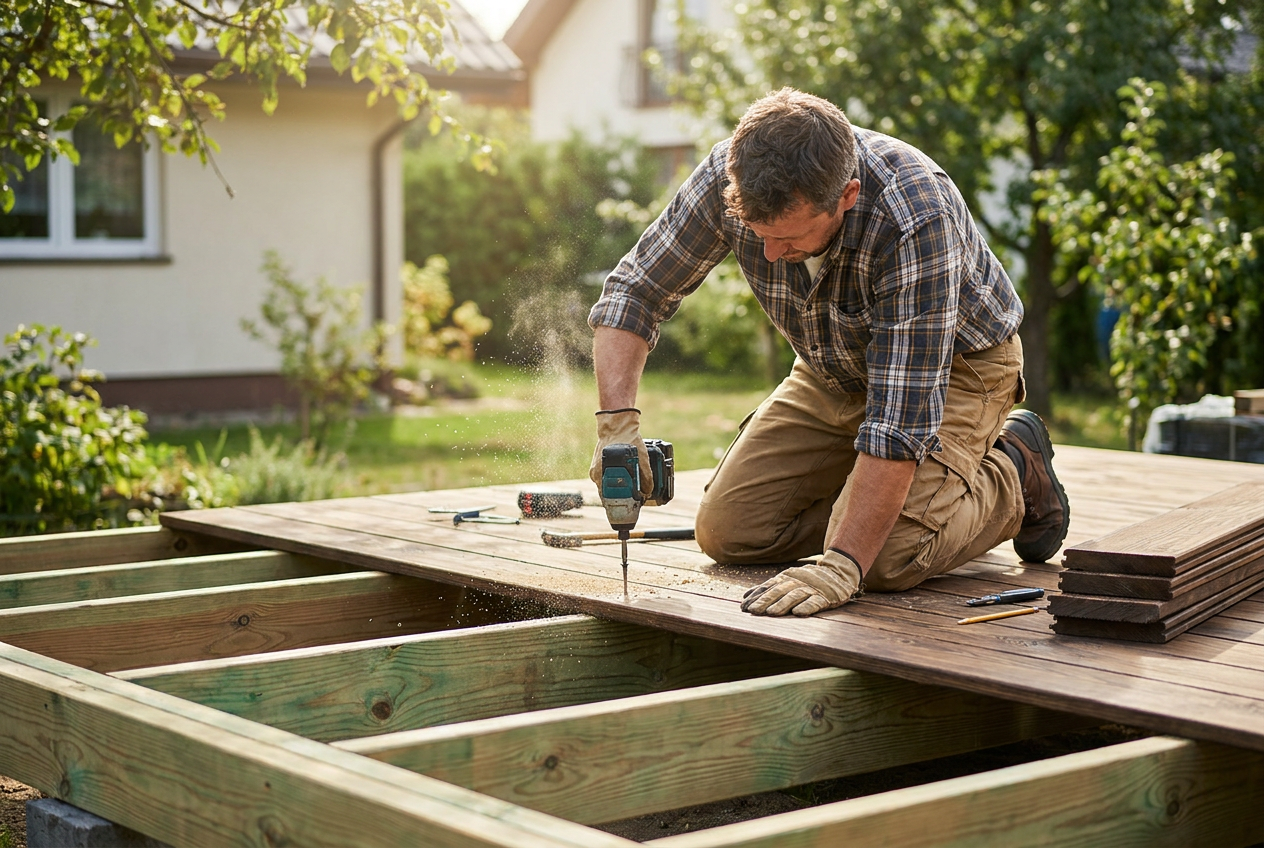
- Check deck boards and handrails for rot, loose fixings, or splinters.
- Clear ventilation gaps under the house to reduce moisture build-up.
- Check window and door seals for gaps that let in insects.
Autumn Tasks
- Clear gutters and downpipes — this is one of the most important tasks before winter rain arrives. Blocked gutters cause water to back up under roofing and into walls.
- Inspect the roof for lifted or cracked iron, broken tiles, or deteriorating sealant around flashings.
- Service your heat pump or wood burner before you need it. A chimney sweep is recommended annually for wood burners.
- Seal draughts around doors and windows to reduce heating costs — Energywise has practical advice on draught-stopping.
Winter Tasks
- Check underfloor and ceiling insulation — this is especially important for rental properties under the Healthy Homes Standards.
- Watch for condensation on windows and walls, which can lead to mould. Increase ventilation and consider a heat recovery ventilation (HRV) system if condensation is persistent.
- Protect exposed outdoor pipes in frost-prone areas (Central Otago, Mackenzie Basin, inland Hawke's Bay).
- Test smoke alarms and carbon monoxide detectors — replace batteries if needed.
Spring Tasks
- Inspect exterior cladding and paintwork after winter. Touch up any bare timber promptly to prevent moisture ingress.
- Check subfloor drainage and make sure the ground slopes away from the foundation.
- Inspect decks and fences for winter damage before summer entertaining season.
- Look for signs of damp or mould inside wardrobes and in bathrooms.
Step 3 — Add Frequency Reminders
Not everything is seasonal. Some tasks are annual, some every few years. Add a column to your checklist for frequency:
- Every 6 months: Gutter clean, smoke alarm test
- Annually: Roof inspection, heat pump filter clean, exterior paint check
- Every 3–5 years: Repaint exterior (depending on product and exposure), re-seal deck
- Every 10+ years: Hot water cylinder replacement (check manufacturer guidance), re-roof assessment
Step 4 — Know What You Can DIY and What Needs a Pro
Many maintenance tasks are well within a capable homeowner's ability — cleaning gutters, painting, sealing gaps, and basic garden drainage. However, some work is legally restricted in New Zealand.
When to Call a Professional
Electrical work: Any wiring, switchboard work, or new circuit installation must be carried out by a registered electrician. Check registration at the Electrical Workers Registration Board (EWRB). Homeowners can change light bulbs and reset circuit breakers, but that's about it.
Gas work: Servicing gas appliances, connecting or disconnecting gas lines, and installing gas heaters is restricted work under the Gas Act. Only a licensed gasfitter registered with the Plumbers, Gasfitters and Drainlayers Board (PGDB) can carry this out.
Plumbing: Connecting or disconnecting sanitary plumbing is restricted work requiring a licensed plumber (also registered with the PGDB). You can unblock a drain or replace a tap washer, but anything involving the supply or drainage system should be checked.
Structural repairs: If your maintenance audit reveals cracked foundations, sagging rooflines, or significant rot in structural timber, consult a Licensed Building Practitioner (LBP) before attempting repairs.
For general handyman tasks — patching, painting, minor carpentry, gutter cleaning — a skilled local handyman is often the most cost-effective option. You can find qualified tradespeople in your area at tradedirectory.co.nz.
Step 5 — Keep Records
Once you've done a maintenance task, record it. A simple spreadsheet or even a notebook works fine. Note the date, what was done, any products used, and any issues to monitor. This record is invaluable when you sell your home, make an insurance claim, or hand the property to a property manager.