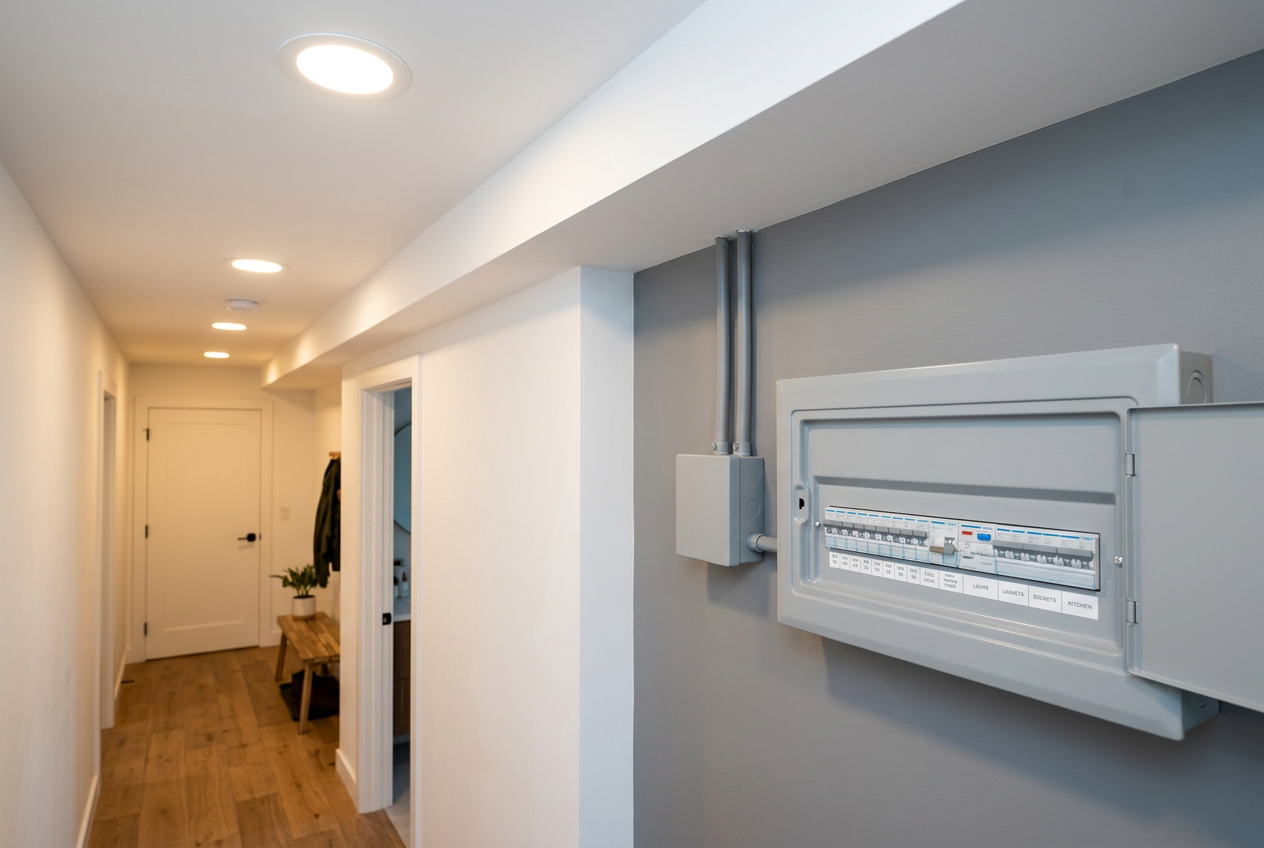
A light fitting that chews through bulbs is frustrating, but it's usually a sign of one of a handful of common problems — many of which you can investigate safely before calling a sparky. That said, some causes involve your wiring or switchboard, which is restricted electrical work under NZ law and must only be touched by a registered electrician.
Common Reasons a Light Fitting Keeps Blowing Bulbs
1. Wrong Bulb Wattage or Type
The most common culprit is simply using a bulb that exceeds the fitting's maximum wattage rating. Every light fitting has a maximum wattage stamped inside it (e.g. "MAX 60W"). Exceeding this overheats the lamp holder, degrades the socket contacts, and causes premature bulb failure. Check the fitting's label and match your bulb accordingly.
2. Poor Contact at the Lamp Holder
Over time, the small brass contact tab inside an Edison screw (E27) or bayonet (B22) lamp holder can flatten out, causing an intermittent or arcing connection. This creates voltage spikes that blow bulbs. Turn off the power at the wall switch and at the switchboard before inspecting. If the tab looks flattened, you can very carefully use a small flat-head screwdriver to gently lift it — but only once the circuit is confirmed dead.
3. Voltage Fluctuations or Overvoltage
NZ mains voltage is nominally 230V, but it can fluctuate. Persistent overvoltage (above ~240V) shortens bulb life significantly. If bulbs across your whole house are failing quickly, contact your lines company — they are responsible for supply voltage quality.
4. Vibration
Fittings near doors, fans, or foot traffic above can experience enough vibration to break filaments in traditional incandescent or halogen bulbs. Switching to LED bulbs largely solves this, as LEDs have no fragile filament.
5. Incompatible Dimmer Switch
If your fitting is on a dimmer, an incompatible bulb–dimmer combination is a very common cause of early failure and flickering. Not all LED bulbs are dimmable, and older leading-edge dimmers often don't play nicely with modern LEDs. Look for bulbs labelled "dimmable" and check the dimmer manufacturer's compatibility list. Replacing an old dimmer with a modern LED-compatible trailing-edge dimmer is restricted electrical work — you'll need a licensed electrician for that.
6. Enclosed Fitting Trapping Heat
Some downlights and enclosed shades trap heat around the bulb. If the fitting isn't rated for enclosed use, heat builds up and dramatically shortens bulb life. Check whether your fitting is marked "suitable for enclosed fixtures" — this is especially important for LED retrofit bulbs.
7. Loose Wiring Connections
Loose connections in the ceiling rose, junction box, or at the switch can cause voltage spikes and arcing. This is restricted electrical work — do not open junction boxes or ceiling roses yourself. A registered electrician must inspect and repair any wiring faults.
What You Can Safely Do Yourself
- Switch to quality LED bulbs — cheap imported LEDs often have poor drivers that fail early. Choose reputable brands available at Bunnings or Mitre 10.
- Check the wattage rating on the fitting and ensure your bulb is within spec.
- Inspect the lamp holder contact (with power off at both the switch and switchboard) for obvious flattening or corrosion.
- Reduce vibration by choosing vibration-resistant or LED bulbs.
- Check dimmer compatibility by consulting the bulb and dimmer packaging.
What Is Restricted Electrical Work in NZ?
Under the Electricity Act 1992 and associated regulations, any work that involves your fixed wiring — including ceiling roses, junction boxes, switchboards, and dimmer replacement — is restricted electrical work. It must be carried out by, or supervised by, a registered electrician. Doing this work yourself is illegal and can void your home insurance. You can verify a tradesperson's registration with the Electrical Workers Registration Board (EWRB).
For safety guidance around electricity in the home, WorkSafe NZ is a reliable resource.
Choosing the Right Replacement Bulb
| Fitting Type | Common Base | Recommended Bulb Type |
|---|---|---|
| Standard ceiling light | B22 bayonet or E27 screw | Dimmable LED (if on dimmer) |
| Recessed downlight | GU10 or MR16 | LED rated for enclosed use |
| Bathroom fitting | B22 or E27 | IP-rated LED (check fitting's IP rating) |
| Pendant / enclosed shade | E27 | LED rated for enclosed fixtures |
Always buy bulbs within the fitting's maximum wattage. With LEDs, the watt equivalent on the packaging refers to the light output comparison — the actual draw is much lower, so overloading is rarely an issue with LEDs.
When to Call a Professional
Call a licensed electrician if:
- Bulbs blow repeatedly even after you've addressed the obvious causes above.
- You notice flickering, buzzing, or burning smells from the fitting.
- The lamp holder looks scorched, melted, or discoloured.
- You want a dimmer replaced or upgraded.
- You suspect a wiring fault or loose connection in the ceiling.
- Multiple fittings or circuits are affected — this could indicate a switchboard or supply issue.
A qualified local electrician can diagnose wiring faults safely and ensure the work meets the NZ Building Code and wiring standards. You can find registered electricians in your area on tradedirectory.co.nz.