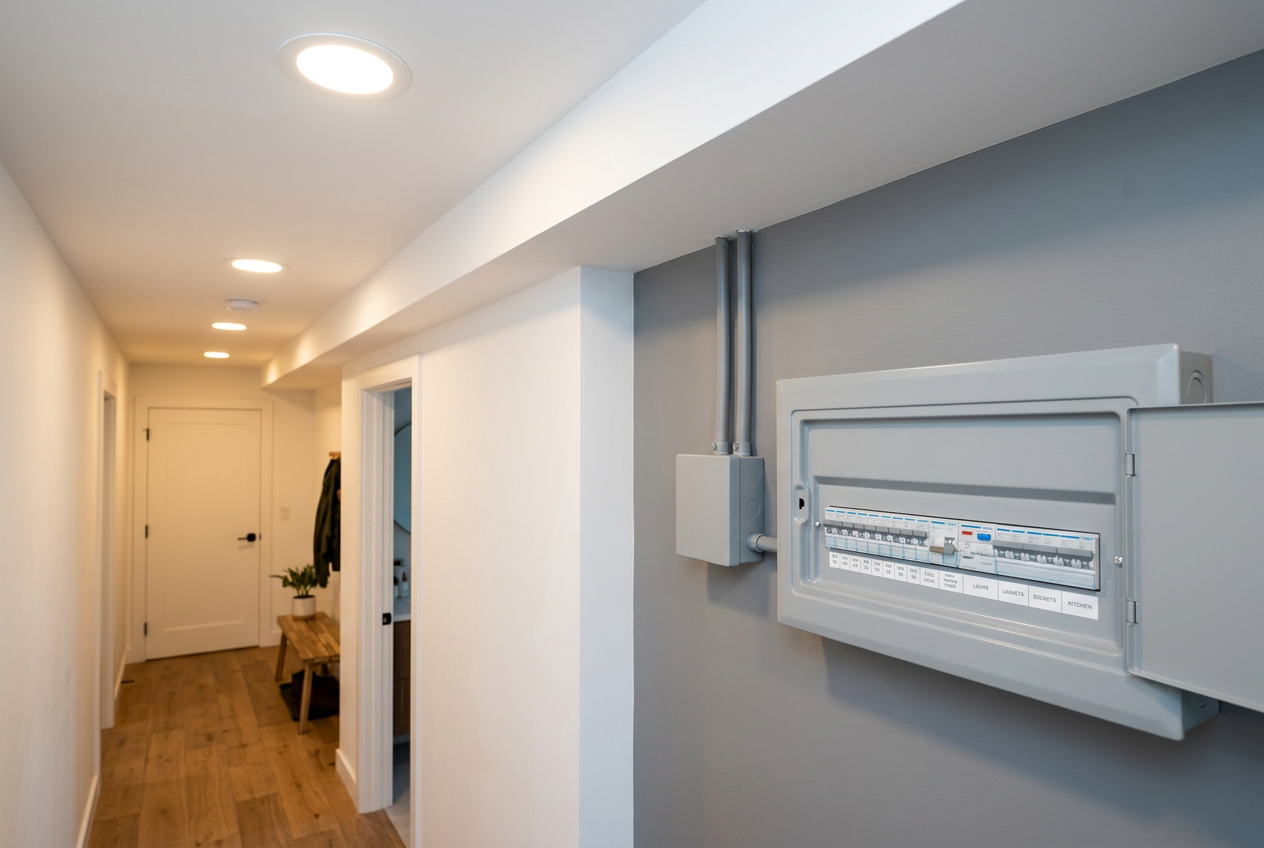
Replacing a light fitting might look straightforward, but in New Zealand, connecting any fitting to existing wiring is classified as restricted electrical work under the Electricity Act 1992. This means it must be carried out — or directly supervised — by a licensed electrician. Here's what you need to know before you pick up a screwdriver.
What Is Restricted Electrical Work in NZ?
Under NZ law, restricted electrical work (REW) covers any work that could affect the safety of an electrical installation. Connecting a light fitting to fixed household wiring falls squarely into this category. Only a registered electrician licensed by the Electrical Workers Registration Board (EWRB) can legally carry out or certify this work.
Once the work is complete, your electrician must issue you a Certificate of Compliance (CoC). Keep this document — you'll need it if you ever sell your home or make an insurance claim.
What Can a Homeowner Legally Do?
While you cannot make or break connections to fixed wiring yourself, there are a few tasks homeowners are permitted to do:
- Remove and replace a light fitting that uses a plug-and-socket connection (e.g. some track lighting or pendant fittings with a standard plug).
- Change a light bulb or lamp.
- Select and purchase your new fitting before the electrician arrives.
- Prepare the area — clear furniture, remove the old fitting's decorative cover if it simply unclips, and have the new fitting ready to go.
If there is any doubt about whether your fitting uses a plug connection or is wired directly, assume it is direct-wired and call a professional.
Understanding Your Existing Wiring
Before your electrician visits, it helps to understand what they may find:
Older NZ homes (pre-1980s)
Many older homes have aluminium wiring or older insulation types (e.g. TRS rubber). These require special care and compatible fittings. Your electrician will assess compatibility.
Modern wiring
Newer homes typically use twin-and-earth PVC cable run to a ceiling rose or junction box. The standard NZ colour coding is:
| Wire | Colour (modern) | Function |
|---|---|---|
| Active | Brown (or Red in older wiring) | Live supply |
| Neutral | Blue (or Black in older wiring) | Return |
| Earth | Green/Yellow stripe (or bare copper) | Safety earth |
Always confirm wire colours with your electrician — older and newer colour codes differ, and mixing them up is dangerous.
Choosing the Right Light Fitting
Not all light fittings are suitable for every location. Keep these points in mind when shopping at Bunnings or Mitre 10:
- IP rating: Bathroom and outdoor fittings need an appropriate Ingress Protection (IP) rating as required by the NZ Building Code clause G9 (Electricity). Your electrician can advise.
- Weight and fixing: Heavy fittings may need additional ceiling support beyond the standard junction box.
- Dimmer compatibility: If you want a dimmer switch, confirm the fitting and bulbs are dimmer-compatible before purchasing.
- LED vs. other lamp types: Most modern fittings are LED-ready. Check the maximum wattage rating on any fitting you buy.
The Process Your Electrician Will Follow
When a licensed electrician replaces your light fitting, they will typically:
- Isolate the circuit at the switchboard and verify it is dead using a test instrument.
- Remove the old fitting and inspect the existing wiring condition.
- Connect the new fitting following the manufacturer's instructions and NZ wiring standards.
- Test the installation before restoring power.
- Issue a Certificate of Compliance for the restricted electrical work.
The whole job often takes under an hour for a straightforward swap, so labour costs are usually modest — as a rough guide, expect a minimum call-out fee plus an hourly rate, though prices vary by region and contractor.
Do I Need a Building Consent?
Simply replacing a like-for-like light fitting does not normally require a building consent. However, if you are adding new lighting circuits, altering the switchboard, or making changes in a bathroom or other specified location, consent requirements may apply. Always check with your local council if you are unsure. The MBIE Building Performance website has useful guidance on Schedule 1 exemptions.
Safety Note
⚠️ Never work on a live circuit. Even if you are only removing a decorative cover, switch the circuit off at the switchboard first and use a non-contact voltage tester to confirm the power is off. Electrical faults are a leading cause of house fires in New Zealand. For workplace electrical safety guidance, refer to WorkSafe NZ.
When to Call a Professional
Call a licensed electrician for any of the following:
- Connecting or disconnecting wires from fixed household wiring.
- Installing a new circuit or additional light points.
- Any electrical work in a bathroom, laundry, or outdoor area.
- Upgrading or altering your switchboard.
- Any situation where you are unsure about the wiring condition or type.
You can find qualified, local electricians on tradedirectory.co.nz — look for someone registered with the EWRB who will provide a Certificate of Compliance on completion.