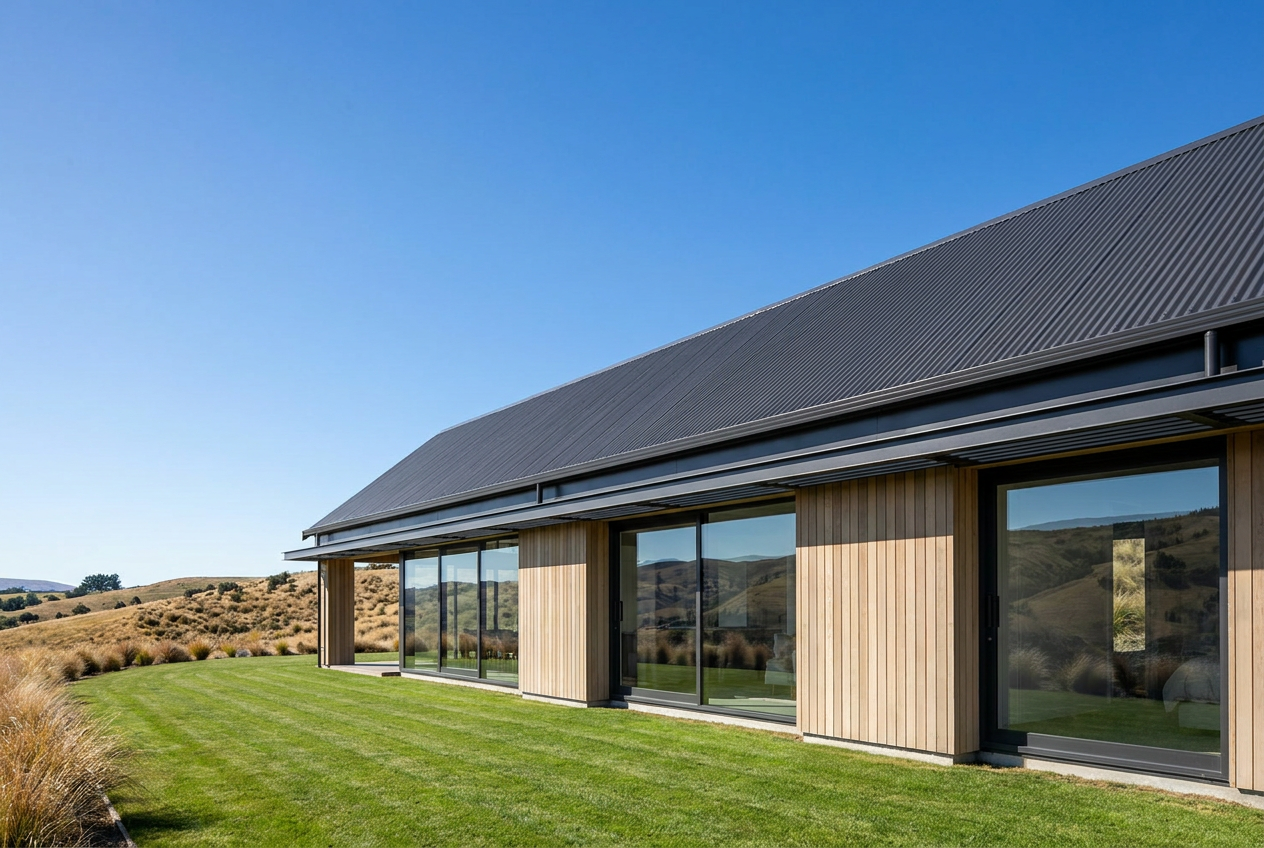
Moss and lichen are a fact of life on New Zealand roofs, especially in wetter regions like the West Coast, Northland, and Wellington. Left unchecked, they trap moisture against your roofing material, accelerating deterioration and potentially voiding your roof's warranty. The good news is that with the right approach, you can tackle the problem safely — or know when to hand it over to a professional.
Why Moss and Lichen Are a Problem
Moss is a soft, spongy plant that holds water against your roof surface. Lichen is tougher — it's a symbiotic organism that physically bonds to roofing materials, including concrete tiles, clay tiles, and metal roofing. Over time, both can:
- Lift and crack concrete or clay tiles as roots expand
- Cause premature corrosion on metal roofing
- Block gutters and downpipes with debris
- Reduce the effectiveness of roof coatings
BRANZ research highlights that moisture retention from biological growth is one of the leading causes of premature roof failure in New Zealand's humid climate.
Safety First — Before You Go Near the Roof
Working at height is one of the leading causes of serious injury and death in New Zealand. Before you do anything else, read WorkSafe NZ's guidance on working at height and honestly assess whether this is a job you can do safely.
Key safety steps:
- Never work on a wet or mossy roof — it is extremely slippery
- Use a sturdy, correctly rated ladder secured at the base and top
- Wear non-slip footwear and consider a safety harness if your roof pitch is steep (generally above 25°)
- Have a second person present at all times
- Avoid working near overhead power lines
If your roof is steeply pitched, two storeys or higher, or you're not confident working at height, stop here and call a professional roofer.
What You'll Need
| Item | Purpose |
|---|---|
| Soft-bristle brush or broom | Physically removing loose moss |
| Garden sprayer or pump sprayer | Applying treatment solution |
| Moss and lichen treatment (biocide) | Killing biological growth |
| Safety harness and helmet | Fall protection |
| Non-slip footwear | Grip on the roof surface |
| Eye protection and gloves | Chemical safety |
| Ladder with stabiliser | Safe roof access |
Avoid using a high-pressure water blaster on most roof types — it can strip protective coatings from metal roofing, damage the surface of concrete tiles, and blast water up under laps and flashings.
Choosing the Right Treatment Product
Several effective moss and lichen treatments are available from Bunnings and Mitre 10. Look for products specifically labelled for roof use. Common active ingredients include benzalkonium chloride and sodium hypochlorite-based formulas.
Important considerations:
- Check the product is suitable for your roof type (metal, concrete tile, clay tile, or asphalt shingle)
- Follow the manufacturer's dilution rates exactly
- Be aware that runoff can harm garden plants and waterways — wet surrounding plants before application and rinse them afterwards
- Some products require rinsing; others are designed to be left on and work over several weeks with rainfall
For metal roofing in particular, always confirm the product is safe for use with your specific roofing material and any existing coatings, as some chemicals can cause discolouration or corrosion.
Step-by-Step: How to Remove Moss and Lichen
1. Choose a dry, overcast day
Avoid bright sunshine (which causes products to dry too fast) and wind (which causes spray drift). Make sure no rain is forecast for at least a few hours after application.
2. Brush off loose moss first
Using a soft-bristle brush, gently sweep loose moss off the roof surface, working downward from the ridge. Don't scrub aggressively — you're just removing the bulk material, not trying to scrub the roof clean.
3. Apply your biocide treatment
Using a pump sprayer, apply the moss and lichen treatment evenly across the affected areas. Work in sections and ensure good coverage. Lichen in particular needs thorough saturation to penetrate its bond with the surface.
4. Allow dwell time
Follow the product instructions. Many treatments work over days to weeks, with rainfall helping to wash away dead growth. Don't expect instant results with lichen — it may take several applications over a season.
5. Rinse if required
If the product requires rinsing, use a gentle garden hose (not a pressure washer) to wash residue down the roof and into gutters. Clean your gutters afterwards.
Preventing Regrowth
Once your roof is clear, prevention is far cheaper than repeated treatment:
- Zinc or copper strips installed along the ridge allow metal ions to wash down the roof in rain, inhibiting biological growth. This is a well-established, low-maintenance solution.
- Regular roof inspections — at least every two years — catch growth early before it becomes established.
- Keep overhanging trees trimmed to reduce shade and leaf debris, both of which encourage moss.
- Consider a roof coating or paint from a reputable supplier such as Resene or Wattyl — many modern roof coatings include biocide additives that inhibit regrowth.
When to Call a Professional
Call a qualified roofer if:
- Your roof is steeply pitched or two or more storeys high
- You notice cracked, broken, or lifting tiles during your inspection
- There are signs of rust, corrosion, or failing flashings
- The moss or lichen growth is extensive and long-established
- You're unsure about the condition of your roof after cleaning
A professional roofer can also advise on whether your roof needs recoating or repointing — work that's best done while the roof is already being treated. You can find qualified local roofers on tradedirectory.co.nz.
Note: Roof work does not typically involve restricted electrical or plumbing work, but if your roof inspection reveals issues near solar panels, skylights with electrical components, or roof-mounted plumbing vents, consult the relevant licensed professional.