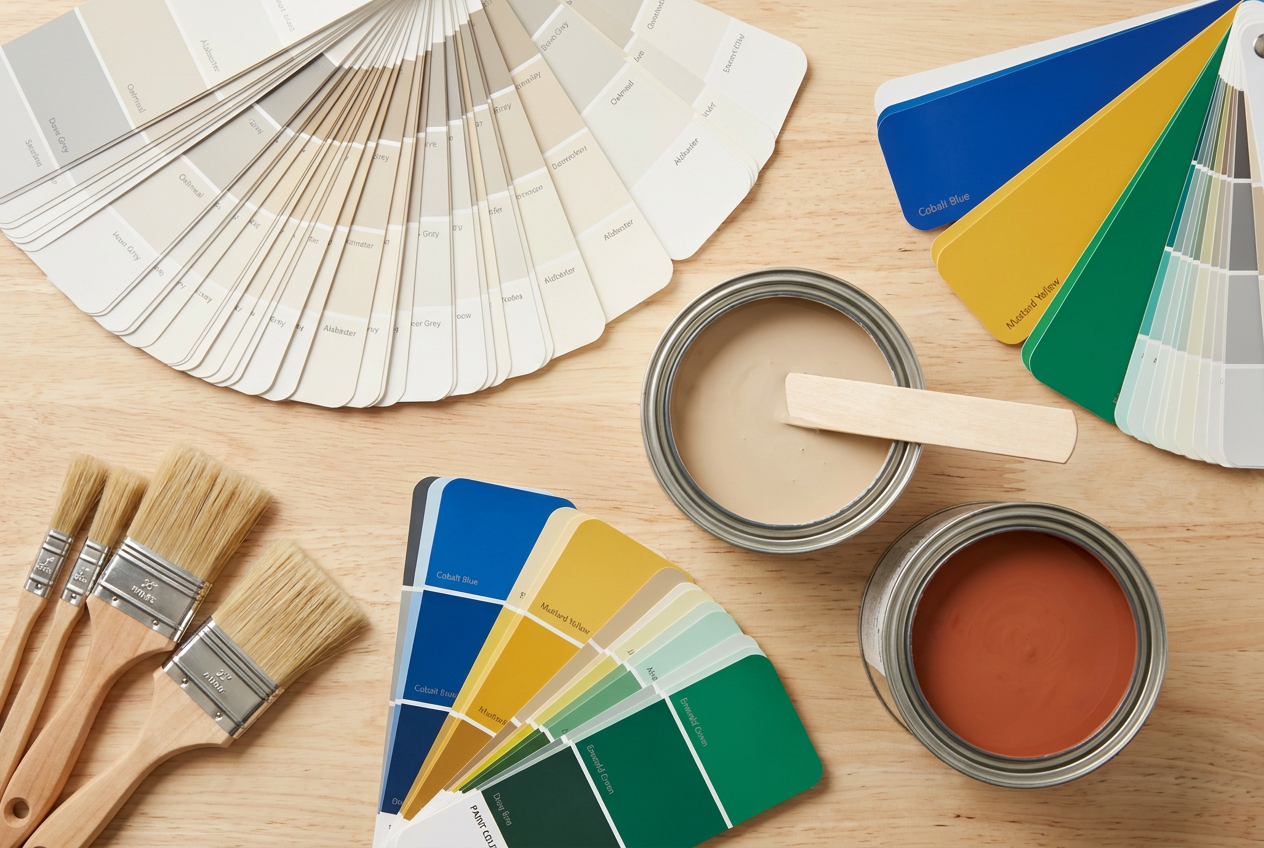
Choosing the right exterior colour for your New Zealand home is more than just picking a shade you like — it's about working with our intense UV light, coastal or rural surroundings, and the style of your home. Get it right and your paint job will look great and last for years. Get it wrong and you could be repainting sooner than expected.
Why NZ's Climate Makes Colour Choice Critical
New Zealand sits at a latitude where UV radiation is significantly stronger than in many parts of the Northern Hemisphere. This means exterior paints fade faster here, especially deep, saturated colours like dark reds, navy blues, and bright yellows. BRANZ research consistently highlights UV degradation as a leading cause of premature paint failure on NZ homes.
On top of UV, you need to consider:
- Coastal areas: Salt air accelerates corrosion and paint breakdown, so a high-quality, alkali-resistant topcoat is essential.
- High-rainfall regions (West Coast, Northland): Moisture and mould resistance matter — look for paints with mould inhibitors.
- Canterbury nor'westers and Central Otago: Extreme temperature swings can cause paint to crack if the product isn't flexible enough.
Understanding How Colour Affects Heat and Your Home
Dark colours absorb more heat, which can be a problem on certain cladding types. James Hardie fibre cement products, for example, have approved colour ranges — using very dark colours outside their guidelines can void warranties and cause the board to warp or crack. Always check the manufacturer's recommendations before committing to a dark palette. You can find guidance on cladding compatibility at James Hardie.
Lighter colours reflect heat, which can help keep your home cooler in summer — a useful consideration in warmer northern regions.
Matching Colours to Your Home's Architectural Style
Different NZ home styles suit different palettes:
| Home Style | Colour Approach | Examples |
|---|---|---|
| Villa / Bungalow | Heritage tones, contrasting trims | Soft whites, sage greens, warm greys |
| 1970s–90s brick | Earthy neutrals, warm tones | Taupes, creams, terracotta accents |
| Modern/Monolithic | Bold monochromes or deep naturals | Charcoal, black, off-white |
| Bach / Coastal | Relaxed, natural tones | Driftwood greys, sandy neutrals, sea blues |
| Rural farmhouse | Classic, understated | White, cream, dark green trims |
A heritage villa in Ponsonby will look out of place in a trendy charcoal that suits a new Hobsonville townhouse. Take cues from the era your home was built.
Reading the Landscape Around You
NZ's natural environment is a brilliant guide. Our bush, coastlines, and volcanic landscapes offer a ready-made palette:
- Bush settings: Olive greens, warm browns, and dark charcoals blend beautifully with native vegetation.
- Coastal settings: Soft blues, sandy neutrals, and weathered greys echo the sea and dunes.
- Urban streetscapes: Check what your neighbours are doing — you don't need to match, but clashing with the street can hurt resale value.
- Rural paddocks: Whites and creams remain classic for a reason; they're timeless and low-maintenance visually.
Also consider your roof colour — it's a fixed element you'll need to work around. A terracotta tile roof, for instance, limits how cool or contemporary your palette can go.
Choosing the Right Paint Product for the Job
Once you've settled on a colour direction, the product matters just as much as the shade. Look for:
- 100% acrylic exterior paints — these offer the best flexibility, adhesion, and UV resistance for NZ conditions.
- Fade-resistant pigments — ask specifically about this, especially for darker colours.
- Mould and mildew inhibitors — important in humid or shaded areas.
Resene and Dulux both offer extensive exterior ranges with NZ-specific formulations. Wattyl is another well-regarded option available at most hardware stores. All three provide colour consultants and test pot services — always paint test pots onto your actual wall and observe them at different times of day before committing.
Practical Tips for Narrowing Down Your Colour
- Buy test pots and paint at least an A3-sized patch on different walls (north and south-facing).
- View colours in morning light, midday sun, and overcast conditions — NZ light is bright and can make colours look very different from the tin.
- Use the Resene ColorShop or Dulux's online visualiser tools to preview colours on a house facade.
- Consider the fixed elements: roof, driveway, window joinery, and any brick or stone.
- Think about trim colours — fascias, soffits, window frames, and doors can be a contrasting or complementary tone to add depth.
- If you're in a heritage overlay zone or an area with design guidelines (common in Wellington, Christchurch, and some Auckland suburbs), check with your local council before painting.
When to Call a Professional
While colour selection is something any homeowner can do, the actual painting of your exterior is a job where a professional painter adds real value. A qualified painter will:
- Properly prepare surfaces (sanding, filling, priming) — the most critical step for paint longevity.
- Identify underlying issues like moisture ingress, rot, or failing substrate before they become bigger problems.
- Apply paint to manufacturer specifications, protecting any product warranties.
- Work safely at height, in compliance with WorkSafe NZ guidelines.
If your home has pre-1980s paintwork, there's a real chance it contains lead-based paint. Sanding or water-blasting this without proper precautions is a health hazard. A professional painter will know how to manage this safely.
You can find qualified, local painters on tradedirectory.co.nz — look for members who can show you examples of exterior work in your area.