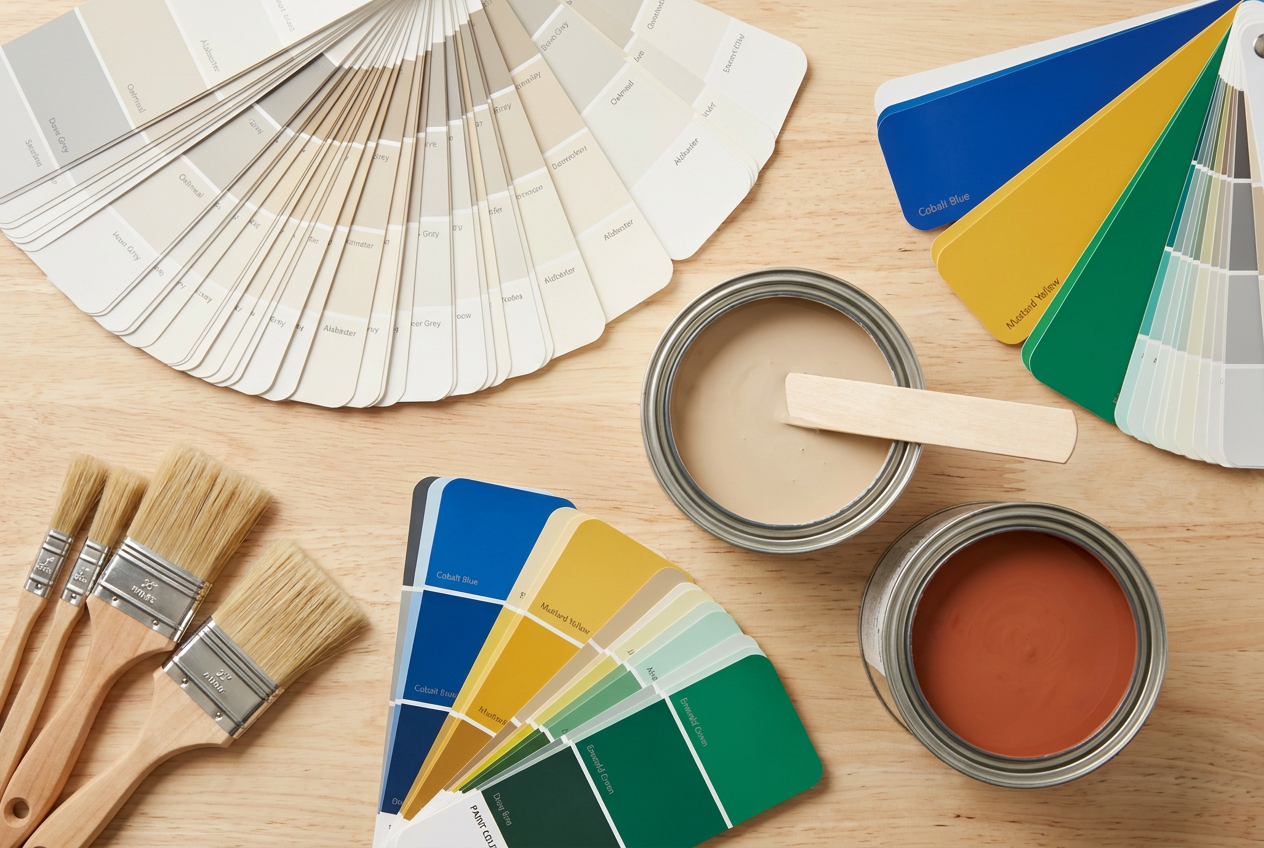
Choosing between Resene and Dulux is one of the most common questions NZ homeowners face before a painting project. Both are reputable brands with strong track records in New Zealand's variable climate — from humid Auckland summers to frosty Otago winters — so the "right" choice often comes down to your specific project, preferences, and where you're shopping.
A Quick Overview of Each Brand
Resene is a proudly New Zealand-owned company, founded in 1946 and headquartered in the Hutt Valley. It sells exclusively through its own network of Resene ColorShops and selected trade outlets, and is well known for its extensive colour range, environmental credentials, and strong technical support.
Dulux is an internationally owned brand (part of the Dulux Group, which operates across Australia and NZ) with a wide distribution network through hardware stores like Bunnings and Mitre 10, as well as trade outlets and PlaceMakers. It's a familiar name in NZ homes and has a broad product range covering interior, exterior, and specialty coatings.
Colour Range and Selection
Both brands offer thousands of colours, but there are some differences in how you access them.
- Resene is particularly celebrated for its curated colour palettes and the expertise of its in-store colour consultants. The Resene ColorShop experience is designed around helping you find the perfect colour, and their free colour charts and testpots are widely praised.
- Dulux also has an impressive colour library and offers digital colour-matching tools. Because Dulux is stocked in major hardware chains, you can often get colours mixed on the spot at a wider range of locations.
Tip: Both brands offer small testpots — always test colours on your actual wall in different lighting conditions before committing to a full tin.
Product Quality and Performance
At the premium end, both brands perform very well. Here's a general comparison:
| Feature | Resene | Dulux |
|---|---|---|
| NZ-owned | Yes | No (Dulux Group, AU/NZ) |
| Premium interior ranges | Yes (e.g. Resene SpaceCote) | Yes (e.g. Dulux Wash&Wear) |
| Premium exterior ranges | Yes (e.g. Resene X-200) | Yes (e.g. Dulux Weathershield) |
| Eco/low-VOC options | Strong focus | Available |
| Sold at hardware chains | Limited | Yes (Bunnings, Mitre 10) |
| In-store colour advice | Dedicated ColorShops | Varies by retailer |
Resene has a strong reputation for low-VOC and environmentally responsible formulations, which matters if you have young children, pets, or sensitivities. Their environmental commitment is well documented. Dulux also offers low-VOC options across many of its ranges.
For exterior work, both brands produce paints specifically formulated for NZ conditions — UV exposure, coastal salt air, and temperature swings. Always choose a product rated for your specific conditions and substrate (timber, fibre cement, masonry, etc.).
Price and Value
As a broad guide, both brands sit in a similar price bracket at the premium end, with more affordable options available in their standard ranges. Neither brand is the cheapest on the market, but both represent good value when you factor in coverage rates and durability — a quality paint job that lasts many more years is almost always better value than a cheap one that needs redoing sooner.
Prices vary by product line and retailer, so it's worth getting quotes for the specific products you need rather than comparing brands in general terms.
Availability and Convenience
This is often the deciding factor for many homeowners:
- If you live near a Resene ColorShop, you'll benefit from expert colour advice and a dedicated paint-buying experience.
- If you're doing a weekend project and need paint from your local Bunnings or Mitre 10, Dulux is likely to be more readily available.
- Trade painters often have a preferred brand based on their experience, supplier relationships, and the products they trust for specific jobs.
Matching Paint to Your Substrate
Regardless of brand, always match the paint system to your substrate:
- New plasterboard (GIB): Use a purpose-made GIB-compatible sealer/primer before topcoating.
- Fibre cement (e.g. James Hardie): Follow James Hardie painting guidelines and use a suitable primer.
- Bare timber exterior: A quality primer is essential before any topcoat.
- Previously painted surfaces: Clean, sand, and spot-prime before recoating.
BRANZ provides excellent technical guidance on paint systems for different substrates and NZ conditions — worth a read before starting any significant project.
Tips for Making Your Decision
- Ask your painter: If you're hiring a professional, ask which brand they prefer and why — they'll have hands-on experience with both.
- Consider the finish: Both brands offer flat, low-sheen, semi-gloss, and gloss finishes. Choose the sheen level based on the room's use and how much wear the surface will get.
- Check warranties: Both brands offer product warranties on their premium ranges — read the fine print for application requirements.
- Don't mix systems carelessly: Stick to one brand's recommended primer and topcoat system for best results.
When to Call a Professional
While painting is one of the more DIY-friendly home improvement tasks, there are times when it's worth calling in a qualified painter:
- Large exterior repaints, especially at height (working safely on ladders and scaffolding is a real risk — see WorkSafe NZ guidance)
- Surfaces with lead paint (common in homes built before the 1980s) — disturbing lead paint requires careful handling
- Specialty coatings, texture finishes, or heritage colour matching
- Rental properties where presentation and durability matter for compliance with Healthy Homes standards
You can find qualified, experienced local painters on tradedirectory.co.nz — a great way to get the job done right the first time.