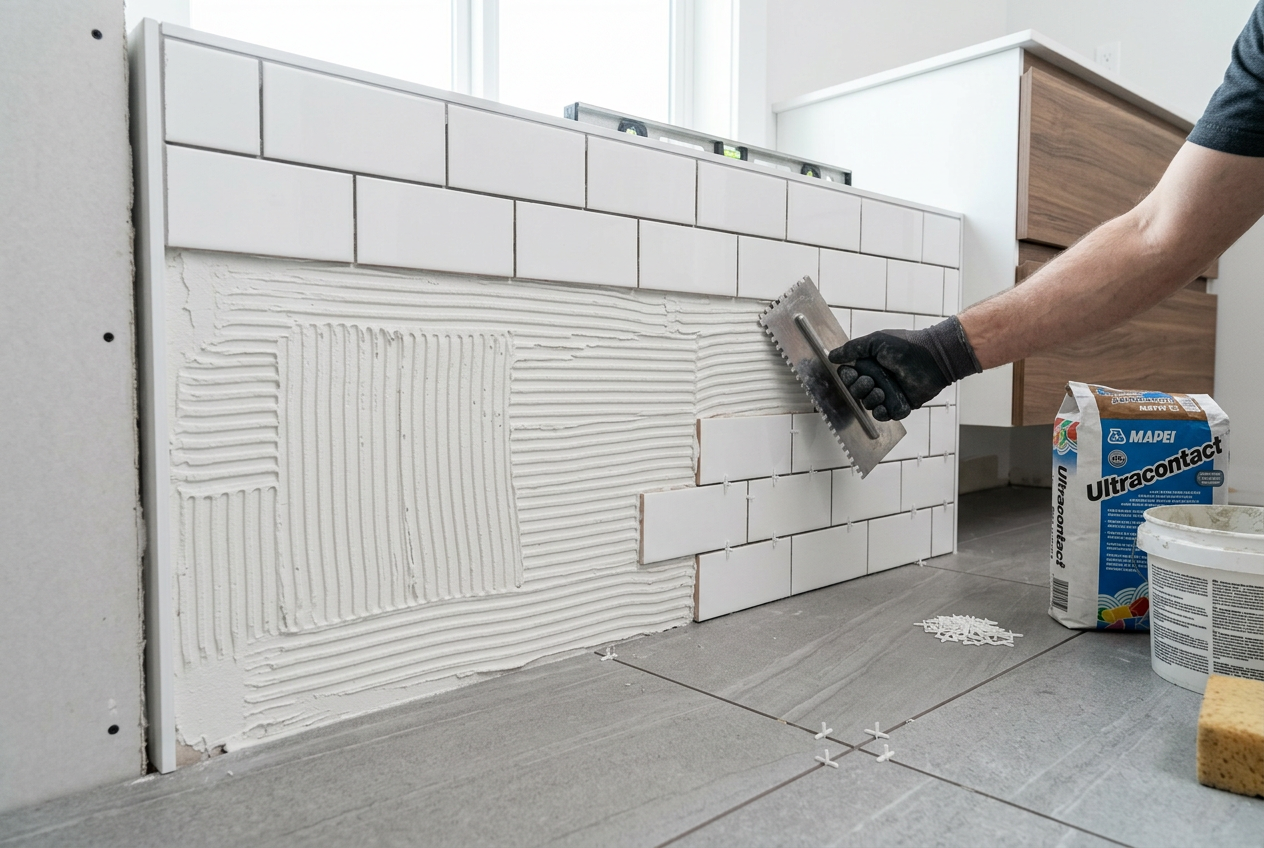
Choosing between matte and gloss tiles is one of those decisions that can feel surprisingly tricky — both finishes look great in a showroom, but they behave very differently once they're on your walls and floors at home. Understanding the practical differences will help you pick the right tile for each space and avoid costly regrets down the track.
What's the Difference Between Matte and Gloss Tiles?
Gloss tiles have a smooth, shiny surface that reflects light. They're fired with a high-shine glaze that gives them that polished, bright look. Matte tiles have a low-sheen or flat finish — they absorb rather than reflect light, giving a softer, more natural appearance. There's also a middle ground: satin or semi-gloss tiles sit somewhere between the two and are worth considering if you're torn.
How Each Finish Performs in Different Rooms
Bathrooms and Wet Areas
In wet areas like showers, baths, and bathroom floors, slip resistance is critical. The MBIE Building Performance guidelines and the NZ Building Code (specifically clause E3 for internal moisture) require that wet-area floors meet appropriate slip-resistance ratings. Matte tiles generally offer better grip underfoot when wet, making them the safer choice for bathroom floors and shower bases. Gloss tiles can become slippery when wet and are better suited to bathroom walls, where slip resistance isn't a concern.
BRANZ research consistently highlights that slip-and-fall accidents in bathrooms are a leading cause of home injury — so don't compromise on floor tile grip.
Kitchens
For kitchen splashbacks, gloss tiles are a popular choice — they're easy to wipe down, reflect light into the room, and give a clean, contemporary look. On kitchen floors, matte tiles are generally more practical: they hide crumbs, spills, and scuff marks far better than gloss, and they're less slippery when you're moving around with wet hands or spills on the floor.
Living Areas and Hallways
In dry living spaces, the choice is mostly aesthetic. Gloss tiles can make a smaller room feel larger and brighter by bouncing light around. Matte tiles tend to feel warmer and more grounded — they suit contemporary, Scandinavian, or natural-style interiors well. In high-traffic hallways, matte tiles are more forgiving of foot traffic marks and scratches.
Maintenance and Cleaning
This is where the two finishes differ most in day-to-day life.
| Feature | Matte Tiles | Gloss Tiles |
|---|---|---|
| Shows fingerprints/smudges | Less obvious | Very obvious |
| Shows water spots | Less obvious | Very obvious |
| Shows dirt and dust | More obvious | Less obvious |
| Ease of cleaning | Slightly more effort | Wipes clean easily |
| Scratch visibility | Hides scratches well | Scratches can show |
| Slip resistance (wet) | Generally better | Generally lower |
Gloss tiles in bathrooms and kitchens will need more frequent wiping to keep them looking sharp — especially around vanities and taps where water spots and soap scum build up. Matte tiles can trap grime in their slightly textured surface, so grout lines and the tile face may need a bit more scrubbing during a deep clean.
Style and Visual Impact
Gloss tiles work well in:
- Smaller bathrooms or kitchens where you want to maximise light
- Modern, minimalist, or Art Deco-inspired interiors
- Feature walls where you want drama and depth
- Spaces with limited natural light
Matte tiles work well in:
- Larger, open-plan spaces
- Rustic, industrial, or natural-material interiors
- Floors throughout the home
- Homes with lots of natural light where glare could be an issue
NZ homes — particularly older villas and bungalows — often suit matte or satin finishes that complement timber joinery and natural materials. Modern new builds can go either way depending on the design intent.
Tile Size and Grout Considerations
Finish interacts with tile size and grout colour in ways worth thinking about. Large-format gloss tiles can look stunning but will show every lippage (unevenness) in the substrate, so your floor or wall needs to be very flat before tiling. Matte large-format tiles are a little more forgiving visually. Always discuss substrate preparation with your tiler — a quality adhesive from suppliers like Ardex or Mapei and proper surface prep are essential regardless of finish.
Cost Differences
As a general guide, tile prices vary widely based on origin, size, and brand rather than finish alone. Gloss tiles at the budget end of the market can sometimes be less expensive than premium matte tiles, and vice versa. Visit your local tile supplier or check out Mitre 10 or Bunnings to compare current pricing. Always factor in adhesive, grout, and labour when budgeting.
When to Call a Professional
Tiling in wet areas — particularly showers and around baths — involves waterproofing membrane work that must comply with NZ Building Code clause E3. While homeowners can tile in some situations, waterproofing in wet areas is considered restricted building work in many configurations, and getting it wrong can lead to serious moisture damage and mould. A Licensed Building Practitioner (LBP) tiler has the skills and legal accountability to ensure wet-area work is done correctly.
For any tiling job — whether it's a bathroom renovation, kitchen splashback, or new floor — a qualified tiler will also advise you on the best tile finish for your specific situation. You can find experienced local tilers on tradedirectory.co.nz.