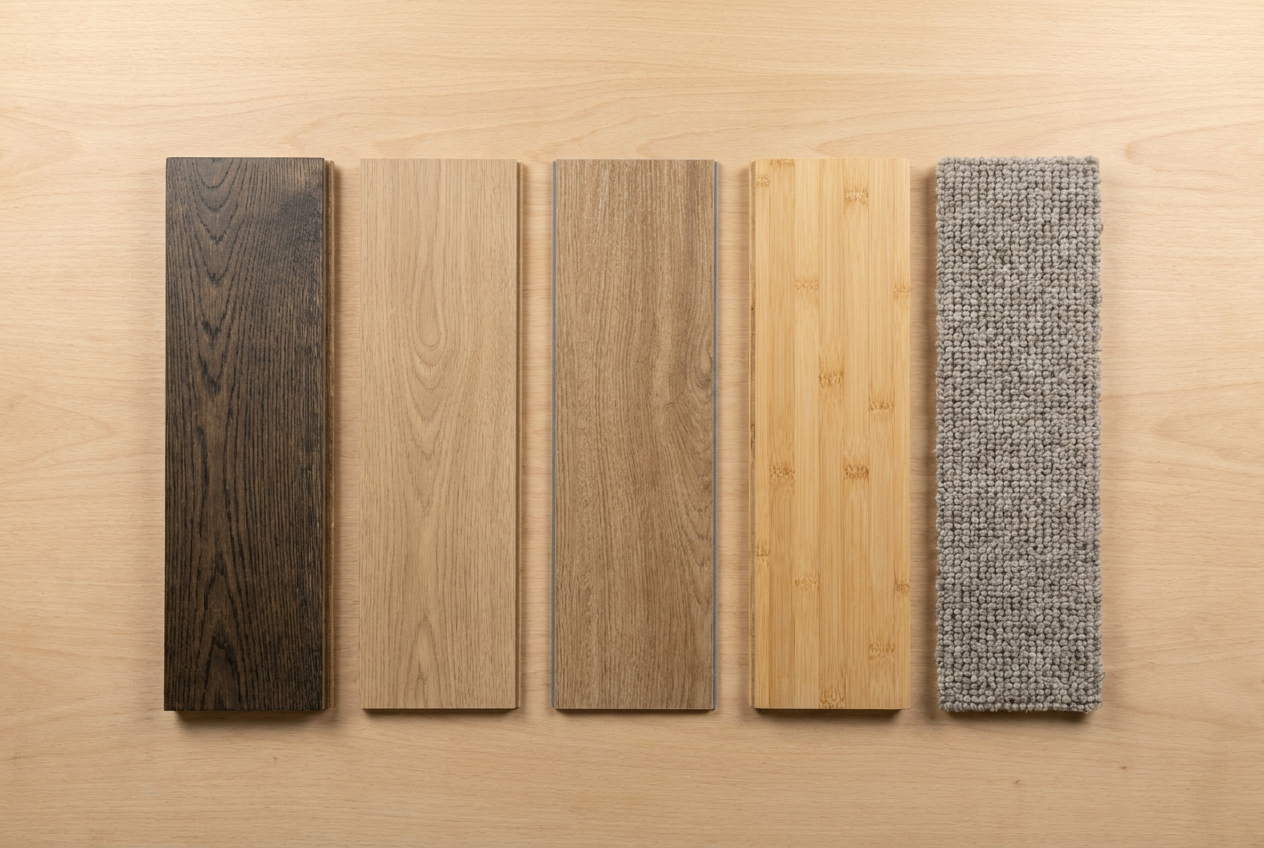
Choosing between carpet and hard flooring for a bedroom is one of the most common decisions NZ homeowners face during a renovation or new build. Both options have genuine strengths, and the right choice depends on your climate, lifestyle, budget, and who's sleeping in the room. This guide breaks it all down so you can decide with confidence.
Comfort and Warmth Underfoot
For most people, the bedroom is where bare feet hit the floor first thing in the morning — so comfort matters. Carpet wins hands-down for softness and warmth underfoot, especially in cooler parts of New Zealand like the South Island, Wellington, or elevated North Island regions. A good-quality carpet with a thick underlay can make a significant difference to how warm a room feels.
Hard flooring — including timber, engineered wood, laminate, luxury vinyl plank (LVP), and tiles — can feel cold underfoot in winter unless you add a bedside rug or install underfloor heating. Underfloor heating paired with hard flooring is an increasingly popular combination in NZ new builds and is worth budgeting for if warmth is a priority.
Insulation and the Healthy Homes Standard
If you're a landlord, the Tenancy Services Healthy Homes Standards require rental properties to meet specific insulation requirements. While the standard focuses on ceiling and underfloor insulation rather than floor coverings directly, choosing carpet with a quality underlay can contribute to overall thermal comfort and help meet your obligations in spirit. BRANZ research consistently shows that well-insulated, warm bedrooms support better health outcomes — worth keeping in mind for family homes too.
Durability and Maintenance
| Factor | Carpet | Hard Flooring |
|---|---|---|
| Lifespan (typical) | 10–15 years | 20–30+ years |
| Stain resistance | Lower (unless treated) | Generally higher |
| Cleaning ease | Requires vacuuming & periodic steam clean | Sweep/mop, easy spot clean |
| Allergy considerations | Can trap dust & allergens | Better for allergy sufferers |
| Pet friendliness | Scratches/odours a risk | Easier to clean, but claws can scratch timber |
| Noise reduction | Excellent sound absorption | Harder surfaces can echo |
Hard flooring is generally easier to keep clean day-to-day and is a better choice if anyone in the household suffers from dust allergies or asthma. Carpet, however, acts as a sound buffer — useful in multi-storey homes or if you have light sleepers.
Cost Comparison
Costs vary widely depending on product quality, room size, and installation complexity. As a rough guide only:
- Carpet (mid-range, including underlay and installation): generally one of the more affordable options per square metre.
- Laminate or LVP: often similarly priced to mid-range carpet when installed.
- Engineered timber: typically a step up in cost, but adds real value to a home.
- Solid hardwood or native timbers: premium pricing, but a long-term investment.
Always get at least two or three quotes from local flooring installers. You can find qualified flooring professionals in your area on tradedirectory.co.nz.
Climate and Your NZ Region
NZ's climate varies enormously. In Auckland and Northland, humidity can be an issue — solid timber flooring can expand and contract with moisture changes, so engineered timber or LVP (which handles humidity better) may be smarter choices. In Canterbury, Otago, or Southland, warmth underfoot is a bigger priority, making carpet with a quality underlay very appealing.
For coastal homes, salt air and humidity mean you'll want flooring that resists moisture. LVP and quality laminates with waterproof cores are worth considering over solid timber in these environments.
Who's Using the Room?
Think about the occupant and how the room is used:
- Children's bedrooms: Carpet is forgiving for play and falls, but hard flooring is easier to clean up spills and craft mess.
- Master bedrooms: Many homeowners prefer the luxury feel of carpet or the sleek look of engineered timber.
- Guest rooms: Either works well; hard flooring with a stylish rug can be a flexible, long-lasting option.
- Elderly family members: Carpet reduces injury risk from slips and falls, and feels warmer for those who feel the cold more.
Aesthetics and Home Value
Hard flooring — particularly engineered timber or quality LVP — tends to appeal broadly to buyers and can add perceived value at resale. Carpet is more personal in taste and may need replacing before a sale if it's worn or dated. That said, fresh, quality carpet in a neutral tone can still present beautifully and feel luxurious in a bedroom setting.
Installation Considerations
Carpet installation is generally straightforward and quick. Hard flooring installation can be more involved — floating floors need expansion gaps, glue-down products require a flat, prepared subfloor, and timber floors may need acclimatisation time before laying. A professional installer will assess your subfloor condition and recommend the right product and method.
When to Call a Professional
While some confident DIYers tackle floating floor installations, most bedroom flooring is best left to a qualified flooring installer — especially if:
- Your subfloor needs levelling or repair
- You're installing glue-down or nail-down timber
- You're working around built-in wardrobes or complex room shapes
- You want manufacturer warranties to remain valid (most require professional installation)
If your flooring project involves moving electrical outlets, underfloor heating wiring, or any plumbing, those elements must be carried out by a licensed electrician (registered with the EWRB) or licensed plumber/gasfitter (registered with the PGDB). Never attempt restricted electrical or plumbing work yourself — it's illegal and dangerous.
Find a trusted local flooring installer through tradedirectory.co.nz to get the job done right.