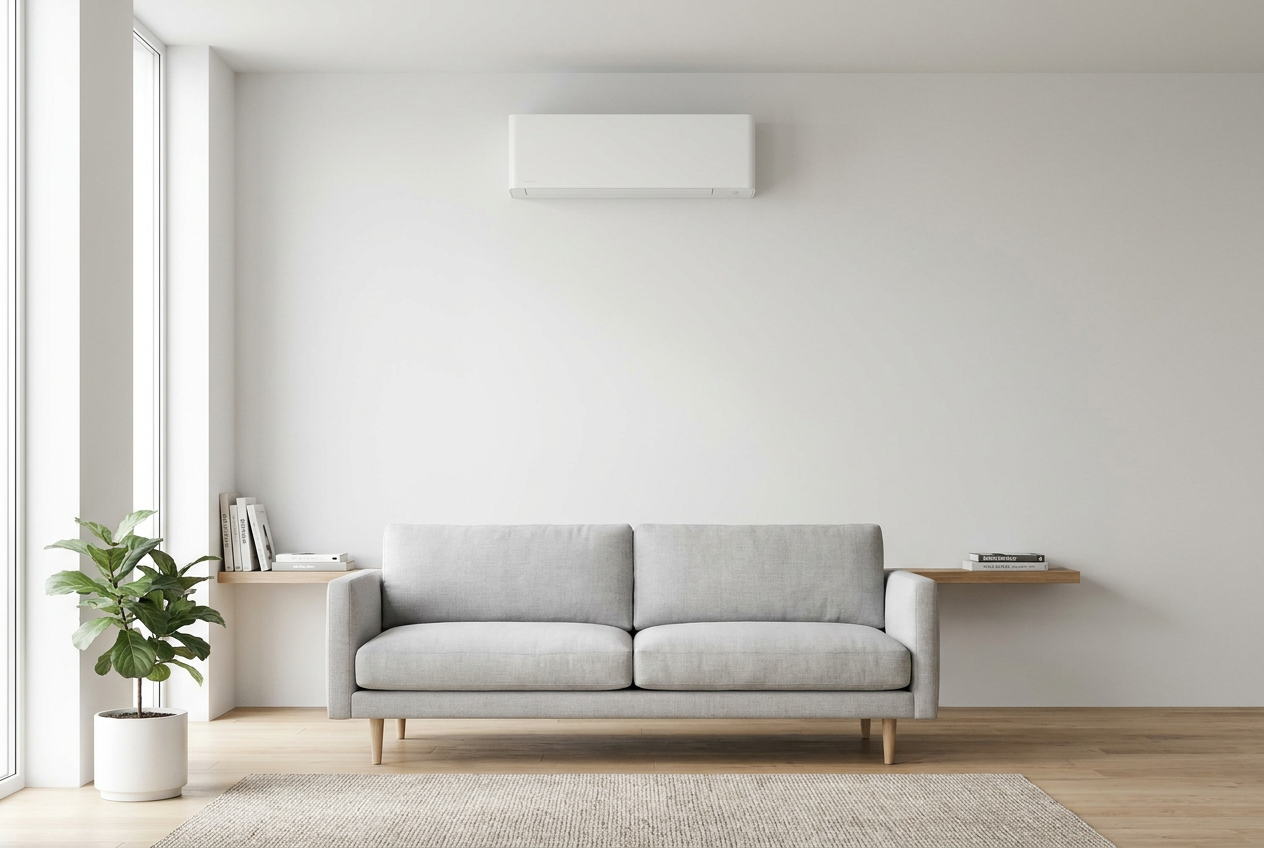
Choosing the right heating system is one of the most important decisions you'll make for your home's comfort and running costs. With New Zealand's varied climate — from Northland's mild winters to Southland's bitter frosts — there's no single answer that suits everyone. This guide breaks down the main options so you can make a confident, informed choice.
Understanding Your Heating Options
The most common heating systems available to NZ homeowners are:
- Heat pumps (reverse-cycle air conditioners)
- Wood burners and pellet fires
- Flued gas heaters and gas central heating
- Electric panel heaters and radiant heaters
- Underfloor heating (electric or hydronic)
Each has its place depending on your home's size, insulation, location, and how you use the space.
How Heat Pumps Work — and Why They're Popular
A heat pump doesn't generate heat — it moves it. By extracting warmth from outside air (even on cold days) and transferring it indoors, a modern inverter heat pump can deliver around 3–5 units of heat for every 1 unit of electricity it uses. This ratio is called the Coefficient of Performance (COP), and it's why heat pumps are widely regarded as the most energy-efficient electric heating option available.
Energywise recommends heat pumps as a top choice for efficient home heating, and they also provide cooling in summer — a genuine bonus in warmer regions.
Best suited to: Living rooms, open-plan areas, bedrooms, and homes in mild-to-cold climates. Most modern units perform well down to around -15°C outside, though efficiency does drop in very cold conditions.
Comparing the Main Heating Types
| Heating Type | Efficiency | Upfront Cost (guide only) | Running Cost | Cooling? | Consent Needed? |
|---|---|---|---|---|---|
| Heat pump (inverter) | Very high | Moderate–high | Low | Yes | Usually yes |
| Wood burner | High (if well-managed) | Moderate | Low (if wood is cheap) | No | Yes |
| Flued gas heater | Moderate | Moderate | Moderate | No | Yes (gas work) |
| Electric panel heater | Low | Low | High | No | No |
| Underfloor (electric) | Moderate | Moderate–high | Moderate–high | No | Sometimes |
Costs are indicative only and vary by region, supplier, and home size. Get quotes from local suppliers for accurate figures.
Wood Burners: Warmth with Character
A well-installed wood burner can heat a large open-plan space beautifully and feels right at home in many NZ houses. However, there are real considerations:
- Resource consent may be required in some regions (particularly Canterbury and Auckland) due to air quality rules.
- Wood needs to be dry and well-seasoned — burning wet wood is inefficient and contributes to air pollution.
- Installation must comply with the NZ Building Code and typically requires a building consent.
- Ongoing effort is needed to source, store, and manage firewood.
Best suited to: Rural properties, homes with good wood supply, and those who enjoy the ambience of a real fire.
Gas Heating: Consistent and Controllable
Flued gas heaters and gas central heating systems provide reliable, thermostat-controlled warmth. Natural gas is available in most main centres; LPG is an option elsewhere.
- All gas work is restricted and must be carried out by a licensed gasfitter registered with the Plumbers, Gasfitters and Drainlayers Board (PGDB). Never attempt to connect or modify gas appliances yourself.
- Running costs depend on gas prices, which have risen in recent years.
- Unflued gas heaters (portable) are not recommended — they release moisture and combustion gases into your living space.
Best suited to: Homes already connected to natural gas, or where a heat pump isn't practical.
Electric Panel Heaters: Simple but Costly to Run
Portable and fixed electric heaters are cheap to buy and easy to install, but they convert electricity to heat at a 1:1 ratio — making them the least efficient option for whole-home heating. They're best used for occasional or supplementary heating in small spaces.
Key Factors to Help You Decide
1. Insulation First
BRANZ research consistently shows that insulation is the foundation of any efficient heating system. Before investing in a new heater, check your ceiling, underfloor, and wall insulation. If you're a landlord, the Healthy Homes Standards set minimum insulation and heating requirements.
2. Your Climate Zone
Southern and central NZ homes benefit most from high-output heat pumps or wood burners. In milder northern regions, a smaller heat pump may be all you need.
3. Upfront vs Running Costs
Heat pumps have a higher upfront cost than panel heaters but significantly lower running costs. Over several years, the savings typically outweigh the initial investment.
4. Home Size and Layout
A single heat pump suits open-plan living well. For multiple rooms or a large home, you may need a multi-split system, ducted heat pump, or a combination of heating types.
5. Environmental Impact
As New Zealand's electricity grid becomes increasingly renewable, heat pumps become an even greener choice. Wood burners can be carbon-neutral if managed well, but contribute to local air quality issues in some areas.
When to Call a Professional
Heat pump installation is not a DIY job. Refrigerant handling is restricted work under NZ law and must be performed by a registered technician. Electrical connections must be carried out by a registered electrician licensed with the Electrical Workers Registration Board (EWRB). Similarly, all gas appliance work requires a licensed gasfitter (PGDB).
A qualified heat pump installer will size the unit correctly for your space — an undersized unit will struggle in winter, while an oversized one will short-cycle and wear out faster. Getting this right from the start saves money and hassle.
You can find qualified, local heat pump installers and heating specialists on tradedirectory.co.nz — look for businesses with relevant trade qualifications and good reviews.