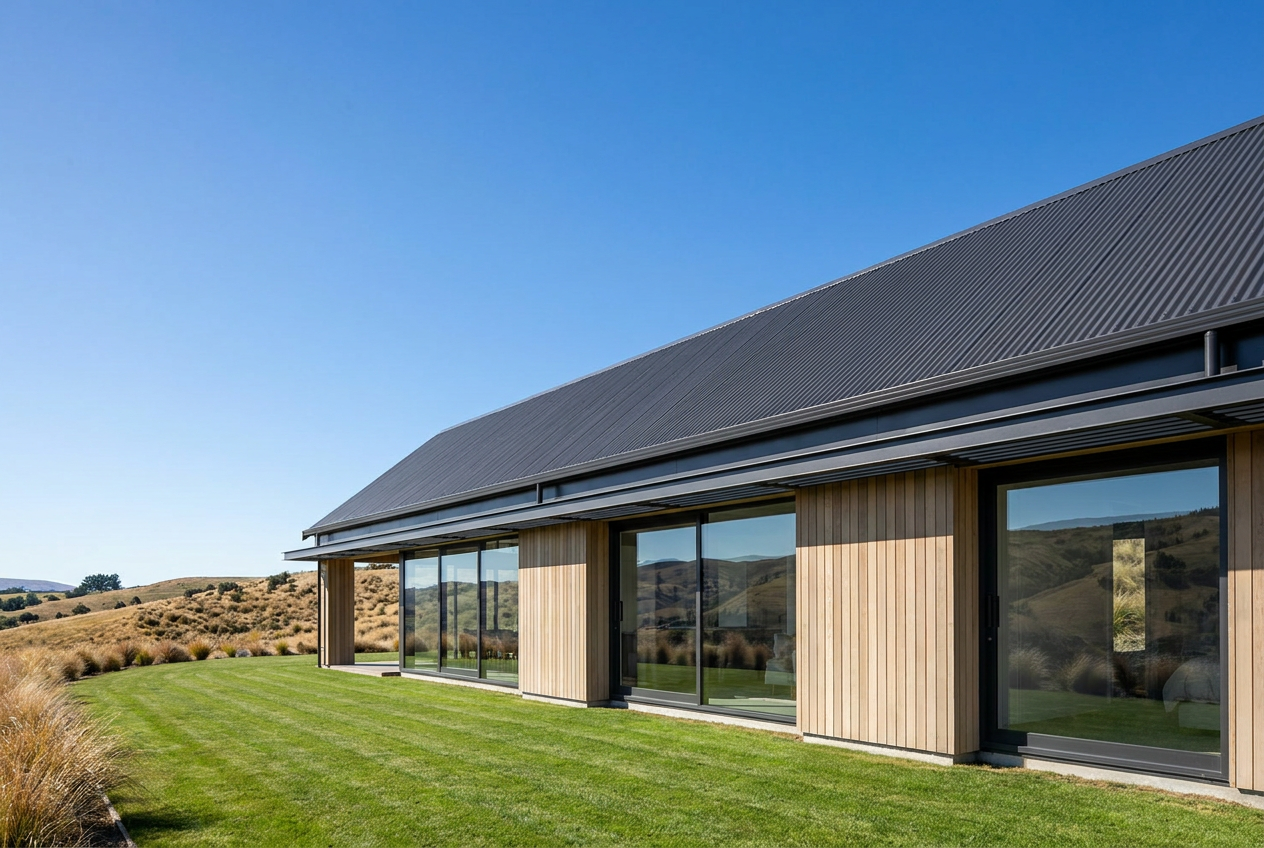
Your roof ridge capping is the finishing row of tiles or mortar that seals the very peak of your roof — and when it fails, water can get in fast. In New Zealand's variable climate, with everything from scorching Northland summers to Southland frosts, ridge capping takes a real beating. Here's how to check whether yours is holding up or due for replacement.
What Is Ridge Capping?
Ridge capping refers to the curved or angled tiles (or in some cases a continuous mortar bed) that run along the apex of a pitched roof. On concrete or terracotta tile roofs, individual ridge tiles are typically bedded and pointed in mortar. On corrugated metal roofs, ridge capping is usually a formed metal flashing. Both types can deteriorate over time and need periodic inspection.
Safety First: How to Inspect Without Getting Hurt
Before you do anything, understand that working at height is dangerous. WorkSafe NZ has clear guidelines around fall prevention for DIYers. For most homeowners, the safest approach is:
- Ground-level inspection using a good pair of binoculars on a clear day
- Ladder inspection only to gutter height — never step onto the roof itself unless you are confident and have proper fall protection
- Hiring a qualified roofer to do a full inspection if you have any doubt
Never go onto a wet or moss-covered roof. Wear non-slip footwear if you do go up a ladder.
Signs Your Ridge Capping May Need Replacing
1. Cracked or Crumbling Mortar
On tiled roofs, the mortar (also called pointing or bedding) that holds ridge tiles in place can dry out, crack, and crumble over time. Look for:
- Visible cracks running along the mortar line
- Chunks of mortar missing or lying in your gutters
- A powdery, sandy residue in the gutter after rain
2. Loose or Displaced Ridge Tiles
If ridge tiles have shifted, lifted, or are visibly out of alignment, the bedding mortar has likely failed. A loose tile is a serious risk — it can slide off in high winds and cause injury or damage below.
3. Rust, Gaps, or Lifted Edges on Metal Capping
For corrugated iron or steel roofs, check the metal ridge cap for:
- Rust spots or corrosion (especially on older Zincalume or unpainted steel)
- Lifted or bent edges that could allow wind-driven rain underneath
- Missing or corroded screws and fasteners
4. Water Stains or Leaks Inside the Roof Space
Head into your ceiling space on a rainy day (or shortly after) and look for:
- Water stains or wet timber near the ridge beam
- Daylight visible through gaps at the ridge
- Mould or mildew growth along the top of the roof framing
Water ingress at the ridge can quickly damage insulation, framing, and ceiling linings, so don't ignore these signs.
5. Moss and Lichen Growth
Heavy moss or lichen growth on ridge tiles can hold moisture against the mortar and accelerate its breakdown. It can also hide cracks underneath. This is especially common in wetter regions like the West Coast, Waikato, and Wellington.
6. Age of the Roof
As a general guide, mortar-bedded ridge capping on tiled roofs often lasts 20–30 years before it needs re-bedding and re-pointing. If your roof is approaching or past that age and hasn't been inspected recently, it's worth getting a professional assessment.
A Simple Ground-Level Inspection Checklist
| What to Look For | Where to Look | Warning Sign |
|---|---|---|
| Cracked or missing mortar | Along the ridge line | White/grey gaps or chunks |
| Displaced ridge tiles | Roof apex | Uneven or lifted tiles |
| Rust or lifted metal capping | Ridge of iron/steel roofs | Brown staining, gaps |
| Mortar debris | Gutters and downpipes | Sandy or chunky residue |
| Moss/lichen | Ridge tiles | Green or black growth |
| Interior leaks | Ceiling space near ridge | Stains, wet timber, daylight |
What the NZ Building Code Says
Under the NZ Building Code, your roof must continue to meet Clause E2 (External Moisture) — meaning it must prevent water from entering the building. A failing ridge cap is a direct breach of this performance requirement. If you're selling your home or have a rental property, a leaking roof can also affect your obligations under the Healthy Homes Standards.
DIY or Professional Repair?
Minor re-pointing of a small section of ridge mortar is sometimes tackled by confident DIYers, but full re-bedding and re-pointing of ridge capping is best left to a qualified roofer. Working at the very apex of a roof is high-risk, and poor mortar work can fail quickly if the wrong mix or technique is used. Most roofing contractors will also spot other issues while they're up there.
Replacing metal ridge capping on a corrugated roof is similarly a job for a professional, as incorrect lapping or fastening can create new leak points.
When to Call a Professional
Call a qualified roofer if you notice:
- Any loose, cracked, or displaced ridge tiles
- Active leaks or water stains near the ridge
- Mortar debris in your gutters
- Your roof is over 20 years old and hasn't been inspected
- You're unsure about anything you've seen during your inspection
A professional roofer can safely access the ridge, assess the full extent of any damage, and advise whether spot repairs or a full re-bed and re-point is needed. You can find qualified local roofers on tradedirectory.co.nz.