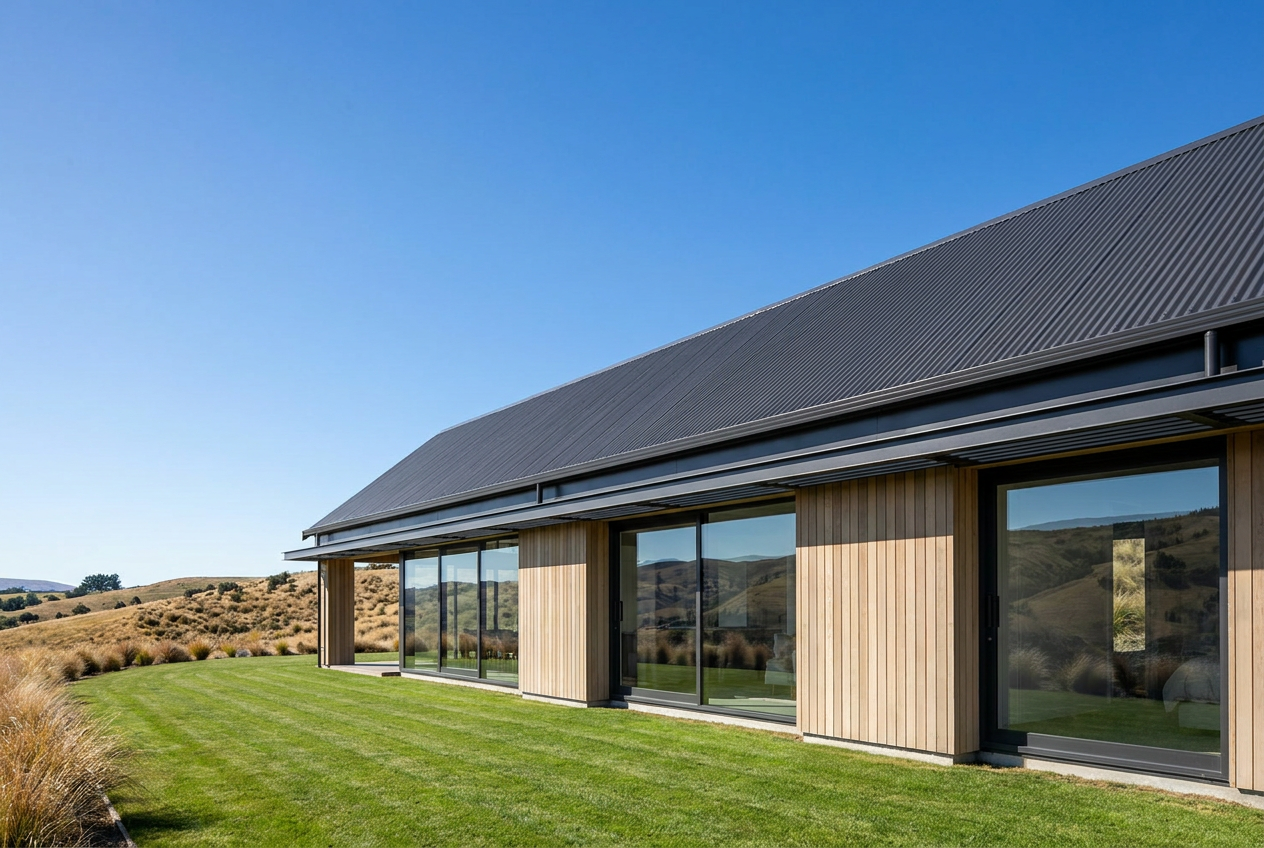
Replacing a roof is one of the bigger home maintenance jobs you'll tackle as a NZ homeowner — and one of the most common questions people ask is whether they need building consent before the work starts. The short answer is: it depends on what you're doing. Read on to understand the rules, what's exempt, and when you must involve a licensed professional.
The General Rule: Like-for-Like Replacement Is Usually Exempt
Under the Building Act 2004 and its Schedule 1 exemptions, replacing roofing material on a like-for-like basis is generally exempt from building consent. This means if you're swapping old corrugated iron for new corrugated iron, or replacing worn concrete tiles with the same type of concrete tiles, you typically don't need to apply for consent.
The key principle is that the work must be repair and maintenance rather than a change to the building's structure, weathertightness system, or overall character. MBIE Building Performance publishes clear guidance on Schedule 1 exemptions and is the best place to check the current rules.
When You DO Need Building Consent
There are several situations where a roof replacement will require building consent:
- Changing the roofing material type — for example, switching from tiles to metal roofing. Different materials have different weights and fixing requirements, which can affect the underlying structure.
- Altering the roof structure — raising the pitch, adding a dormer, or changing the shape of the roof.
- Adding roof penetrations or new skylights — these affect weathertightness and may trigger consent requirements.
- Re-roofing after storm or fire damage where the structure itself has been compromised.
- Heritage or character buildings — some local councils have additional requirements under district plans.
If you're unsure, always check with your local council's building department before starting work. Getting it wrong can cause problems when you sell the property or make an insurance claim.
The Importance of Weathertightness
Even when consent isn't required, your roof replacement must still comply with the NZ Building Code — particularly Clause E2 (External Moisture). This clause requires that roofs shed water effectively and protect the building from moisture ingress. BRANZ provides technical guidance on roofing systems and weathertightness that both homeowners and tradespeople find useful.
Poor weathertightness is one of the most costly defects in NZ homes, so cutting corners on materials or installation is never worth it.
Choosing the Right Roofing Material
If you're doing a like-for-like replacement, your choice is straightforward. But if you're considering a material change, here's a quick comparison:
| Material | Weight | Lifespan (approx.) | Consent Likely? |
|---|---|---|---|
| Corrugated steel (Colorsteel) | Light | Long-lasting | Usually no (like-for-like) |
| Concrete tiles | Heavy | Long-lasting | Yes, if changing from light material |
| Clay tiles | Heavy | Very long-lasting | Yes, if changing from light material |
| Asphalt shingles | Medium | Moderate | Possibly, check with council |
| Long-run metal | Light | Long-lasting | Usually no (like-for-like) |
Always confirm with your roofer and council before committing to a material change.
Can a Homeowner Do Their Own Roofing?
Roofing is not restricted building work (RBW) in the same way that some structural or weathertightness work is — however, the situation is nuanced:
- Owner-builders can carry out their own roofing work on their own home under certain conditions, but the work must still comply with the Building Code.
- If the work does require building consent, an owner-builder must apply for an owner-builder exemption and may need to use a Licensed Building Practitioner (LBP) for certain aspects.
- Practically speaking, roofing is physically demanding and potentially dangerous work at height. WorkSafe NZ has strict requirements around working at height, including the use of edge protection and safety harnesses.
Safety note: Falls from roofs are a leading cause of serious injury and death in NZ. Never work on a roof without appropriate fall protection, and consider whether this is genuinely a DIY job.
What About Electrical and Plumbing Connections?
If your re-roofing project involves solar panels, skylights with electrical components, or alterations to guttering connected to a rainwater tank, you may need to involve licensed tradespeople:
- Electrical work connected to the roof (e.g. solar inverters, heat pump connections) must be carried out by a registered electrician — this is restricted work under the Electrical Workers Registration Board (EWRB).
- Plumbing or drainage connections (e.g. downpipe connections to stormwater systems) must be done by a licensed plumber or drainlayer registered with the Plumbers, Gasfitters and Drainlayers Board (PGDB).
When to Call a Professional Roofer
For most homeowners, hiring a qualified roofer is the safest and most practical option. A good roofer will:
- Advise you on whether consent is needed for your specific project
- Ensure the work meets NZ Building Code requirements
- Provide a producer statement or sign-off if required
- Carry appropriate insurance and health & safety plans for working at height
You can find experienced, local roofing professionals on tradedirectory.co.nz — it's always worth getting two or three quotes and checking references before committing.