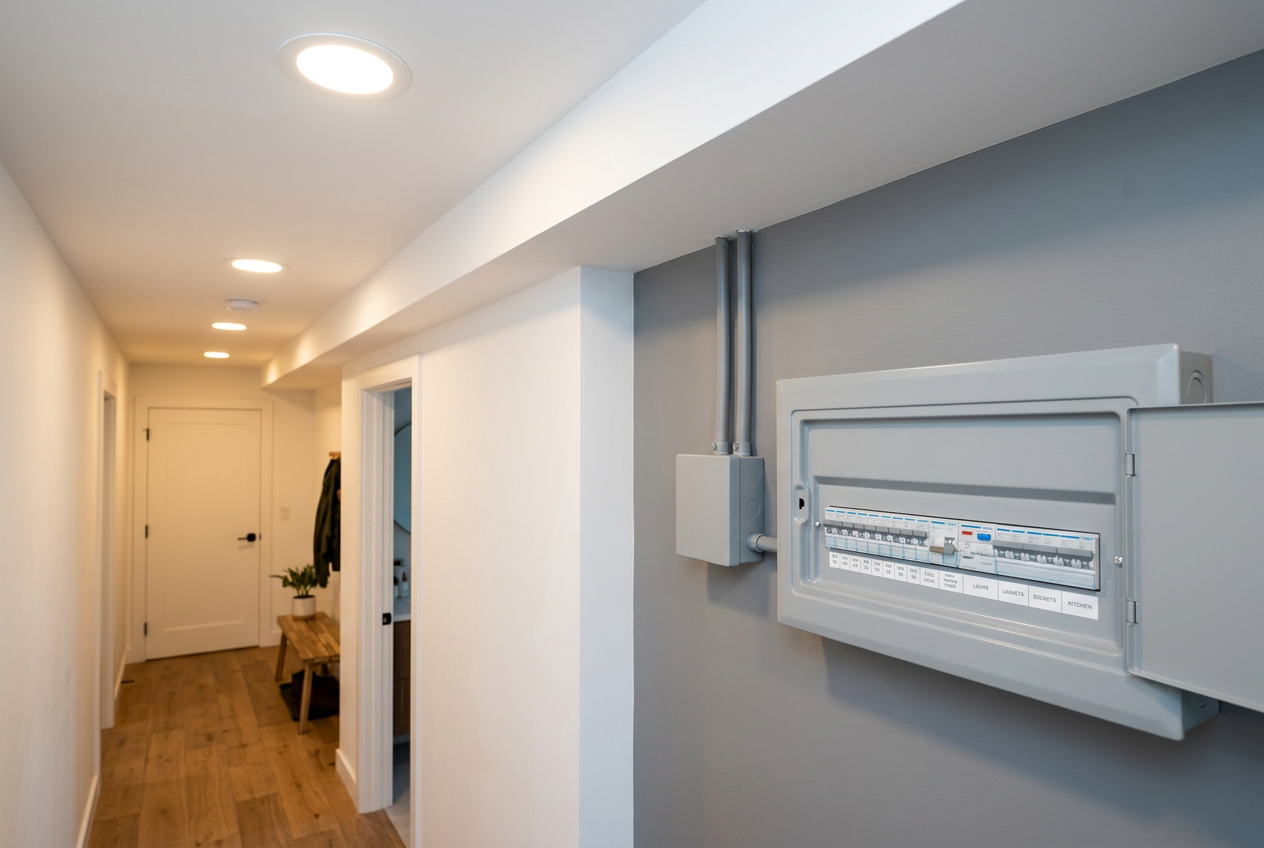
Installing a heat pump or adding an extra circuit to your home sounds straightforward — but in New Zealand, electrical work is tightly regulated for very good reason. Getting it wrong can mean voided insurance, failed inspections, or serious safety hazards. Here's what every Kiwi homeowner needs to know before picking up a screwdriver.
What Is Restricted Electrical Work?
In New Zealand, restricted electrical work (REW) is any work on your home's fixed wiring that must be carried out — and certified — by a licensed professional. This is governed by the Electricity Act 1992 and overseen by the Electrical Workers Registration Board (EWRB).
Restricted electrical work includes:
- Installing, altering, or adding to any fixed wiring in your home
- Connecting a heat pump to your home's electrical supply
- Installing a new circuit or circuit breaker in your switchboard
- Adding power points, lighting circuits, or dedicated appliance circuits
- Any work inside your switchboard (consumer unit)
Only a registered and licensed electrician can legally carry out and certify this work. Once complete, they must issue you a Certificate of Compliance (CoC), which is your proof the work meets the NZ Building Code and wiring standards.
Does Installing a Heat Pump Need a Permit?
The short answer: yes, the electrical connection does. A heat pump installation typically has two parts:
| Part of Installation | Who Can Do It | Permit / CoC Required? |
|---|---|---|
| Mounting the indoor & outdoor units | Homeowner or installer | No |
| Running refrigerant lines (if applicable) | Certified refrigeration tech | Trade certification required |
| Connecting to fixed wiring / new circuit | Licensed electrician only | Yes — CoC required |
Many heat pump suppliers include installation in their quote, and reputable installers will have a licensed electrician on their team or subcontract this work. Always ask for the Certificate of Compliance when the job is done — keep it with your home's records.
Do You Need a Building Consent for a Heat Pump?
In most cases, installing a standard residential heat pump does not require a building consent, as it falls under exempt building work under Schedule 1 of the Building Act 2004. However, if structural work is involved (e.g., cutting through a fire-rated wall), you should check with your local council. The MBIE Building Performance website has clear guidance on exempt work.
Does Adding an Extra Circuit Need a Permit?
Yes. Adding any new circuit — whether for a home office, EV charger, spa pool, or extra power points — is restricted electrical work. Your electrician will:
- Run the new cable from the switchboard to the required location
- Install the appropriate circuit breaker (and RCD protection where required)
- Test the circuit to current standards (AS/NZS 3000 Wiring Rules)
- Issue a Certificate of Compliance
Depending on the scope, your electrician may also need to notify your lines company if the work affects your connection or capacity.
What Can a Homeowner Do Themselves?
Homeowners can legally carry out simple, low-risk tasks that don't involve fixed wiring, such as:
- Replacing a light bulb or LED lamp
- Replacing a plug on a flexible cord (with care)
- Resetting a tripped circuit breaker
- Installing a doorbell that runs on low-voltage (battery or plug-in transformer)
You cannot legally do your own fixed wiring, even if you're confident with tools. This isn't just a technicality — unskertified electrical work can void your home insurance and create serious fire or electrocution risks.
Safety First
⚠️ Safety note: Never attempt to work inside your switchboard or on fixed wiring yourself. Always switch off the relevant circuit at the switchboard before doing any work near electrical fittings, and if in doubt, call a licensed electrician. For guidance on electrical safety in the home, visit WorkSafe NZ.
Healthy Homes & Heat Pumps
If you're a landlord, heat pumps are directly relevant to the Healthy Homes Standards. The heating standard requires rental properties to have a fixed heating device capable of heating the main living room to at least 18°C. A correctly sized heat pump often meets this requirement. Check the full requirements at Tenancy Services and consider getting an energy assessment via Energywise.
How Much Does It Cost?
As a very rough guide, the electrical connection for a standard heat pump installation typically adds a few hundred dollars to the overall job cost, depending on how far the new circuit needs to run and whether switchboard upgrades are needed. Adding a standalone new circuit (e.g., for an EV charger) can vary widely based on complexity. Always get at least two or three quotes.
When to Call a Professional
For any of the following, you must engage a licensed electrician:
- Connecting a heat pump to your home's wiring
- Adding any new circuit or modifying your switchboard
- Installing an EV charger, spa pool supply, or dedicated appliance circuit
- Upgrading your switchboard or consumer unit
- Any wiring work in a new or renovated room
A licensed electrician will be registered with the EWRB and can provide a Certificate of Compliance. You can find qualified, vetted local electricians on tradedirectory.co.nz — it's always worth hiring someone with solid reviews and the right licences for the job.