Damp, stuffy homes are a real problem across New Zealand — from the humid north to the cold, frosty south. Whether you're a homeowner or landlord, understanding your ventilation options (and obligations) can make a big difference to your family's health, your home's structure, and your energy bills.
Why Ventilation Matters in NZ Homes
New Zealand homes — particularly older weatherboard and brick houses — were often built with little thought for controlled ventilation. The result is trapped moisture, condensation on windows, mould growth, and poor indoor air quality. BRANZ research consistently shows that many NZ homes have elevated indoor humidity levels that contribute to respiratory illness and structural damage over time.
Good ventilation removes stale, moist air and replaces it with fresher air, helping to:
- Reduce condensation and mould
- Improve indoor air quality
- Lower heating costs (when done efficiently)
- Protect building materials and insulation
What Does NZ Law Actually Require?
For owner-occupied homes, there is currently no legal requirement to install a mechanical ventilation system. However, the NZ Building Code (specifically Clause G4 – Ventilation) requires that all habitable rooms have adequate ventilation — this can be met through openable windows in existing homes.
For rental properties, the rules are stricter. Under the Healthy Homes Standards, landlords must ensure rental homes have:
- Openable windows or skylights in all habitable rooms
- Extractor fans in kitchens and bathrooms that vent to the outside
- A ground moisture barrier if there is a subfloor
These standards have been phased in, and most private rentals must now comply. Failure to meet them can result in financial penalties.
For new builds, NZS 4303 and the Building Code set minimum ventilation rates that designers and builders must meet — mechanical ventilation is often required in bathrooms and kitchens regardless.
Types of Home Ventilation Systems
There are several approaches to ventilating a NZ home, ranging from simple and low-cost to comprehensive whole-house solutions.
1. Positive Pressure Ventilation (roof space systems)
These systems draw air from the roof cavity, filter it, and push it into the living areas. They are common and relatively affordable. They work best in homes with a dry, warm roof space — less effective in very cold climates or homes with poor insulation.
2. Heat Recovery Ventilation (HRV / MVHR)
Heat recovery ventilation systems extract stale air from wet rooms and recover the heat before bringing fresh outside air in. They are more energy-efficient and better suited to well-insulated, airtight homes. They tend to cost more upfront but can reduce heating costs over time.
3. Balanced Pressure Ventilation
These systems supply and extract equal amounts of air, maintaining neutral pressure inside the home. They are often used in high-performance or Passive House-style builds.
4. Extractor Fans Only
For many homes, installing quality extractor fans in the kitchen and bathroom — vented directly outside — is the most practical and affordable first step. This is also the minimum required under the Healthy Homes Standards for rentals.
Comparing Your Options
| System Type | Best For | Relative Cost | Energy Use |
|---|---|---|---|
| Extractor fans only | Rentals, older homes | Low | Low |
| Positive pressure (roof space) | Mild–warm climates, older homes | Moderate | Low–moderate |
| Heat recovery (HRV/MVHR) | Well-insulated, newer homes | Higher | Low (efficient) |
| Balanced pressure | New builds, airtight homes | Higher | Low–moderate |
Costs vary significantly by brand, home size, and installation complexity. Get quotes from local installers for accurate pricing.
Does Your Home Actually Need One?
Ask yourself these questions:
- Do you regularly see condensation on windows, especially in winter?
- Is there mould appearing on walls, ceilings, or in wardrobes?
- Does the home feel stuffy or smell musty?
- Do family members suffer from allergies or respiratory issues indoors?
- Is your home well-insulated but still feels damp?
If you answered yes to two or more, a ventilation upgrade is likely worthwhile. Keep in mind that ventilation works best alongside good ceiling, underfloor, and wall insulation — addressing both together gives the best result.
Ventilation and Insulation Work Together
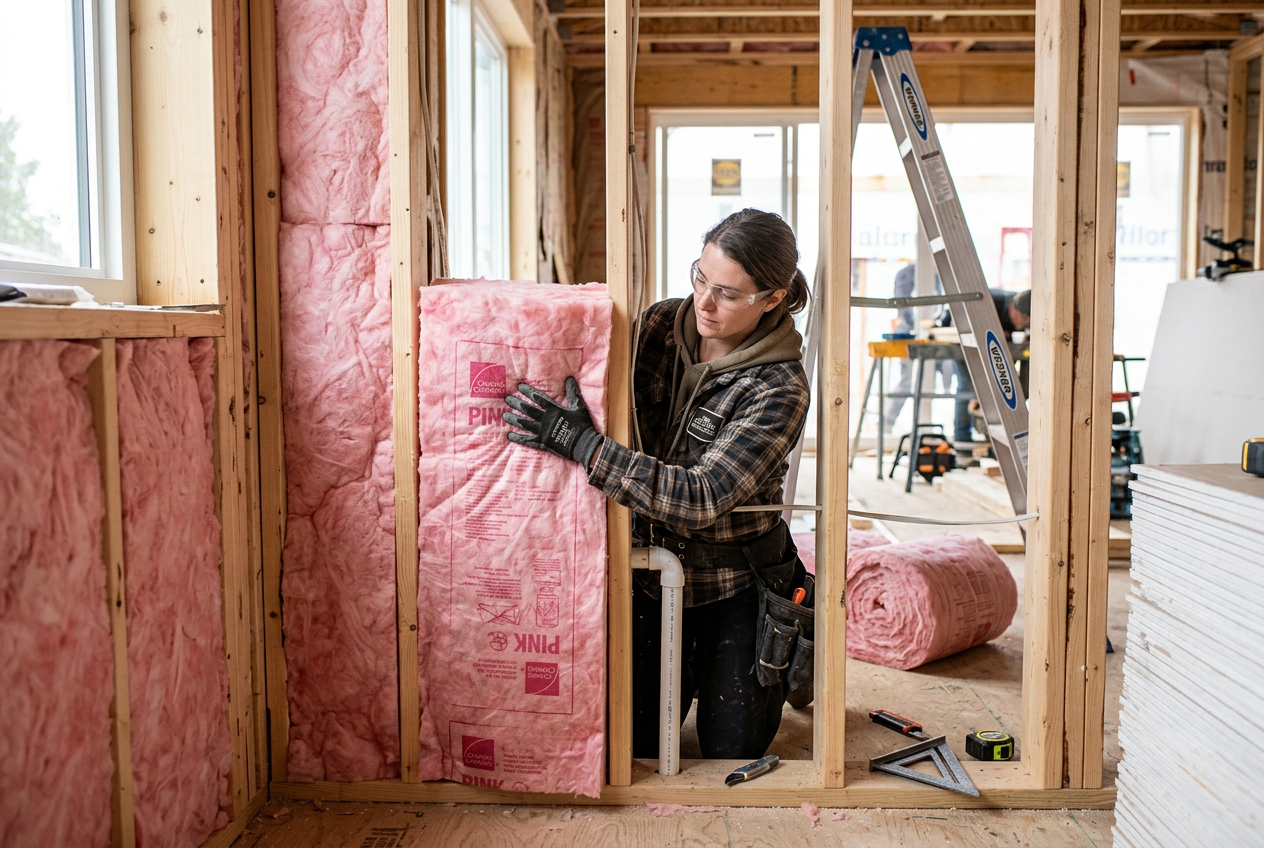
Ventilation without insulation is like heating a leaky bucket. Before investing in a whole-house system, it's worth checking your insulation levels meet current recommendations. Energywise provides guidance on recommended insulation levels for different NZ climate zones, and there may be government subsidies available to help with costs.
When to Call a Professional
While you can improve ventilation yourself by opening windows and installing a simple bathroom extractor fan (replacing a like-for-like fan on the same circuit is generally fine for a competent DIYer), most ventilation system installations involve restricted electrical work.
Under NZ law, any new electrical wiring, circuit connections, or switchboard work must be carried out by a registered electrician — see the Electrical Workers Registration Board (EWRB) for details. Installing a ducted HRV or whole-house system almost always requires a licensed electrician and, in some cases, a building consent.
For a proper assessment and installation, it pays to use a qualified insulation installer or ventilation specialist. You can find experienced local tradespeople on tradedirectory.co.nz.