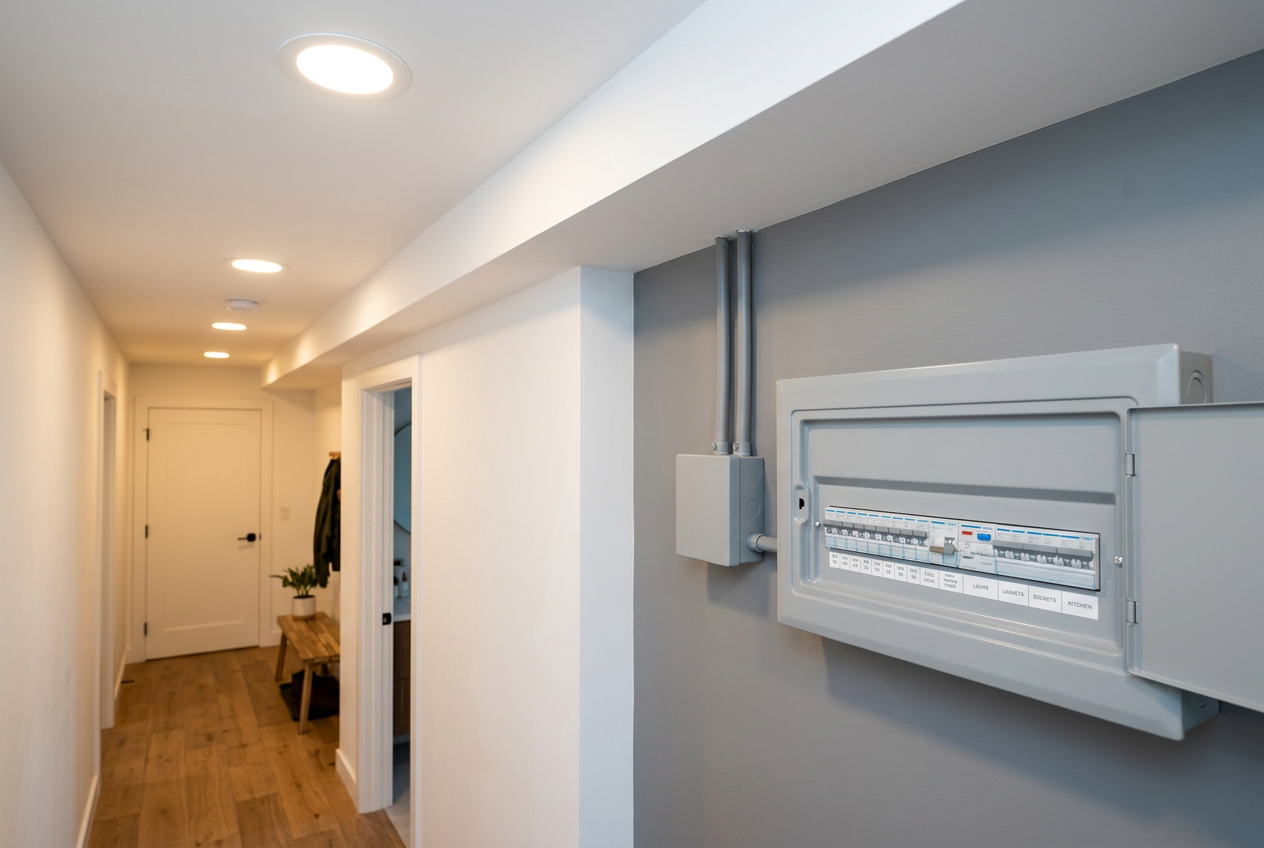
The short answer is: mostly no. In New Zealand, electrical wiring is restricted work under the Electricity Act 1992, and the vast majority of it must be carried out by a licensed electrician. That said, there are a few limited tasks a homeowner can do themselves — and understanding the rules clearly can save you from a dangerous mistake or a hefty fine.
Why Electrical Work Is Restricted in NZ
New Zealand law is strict about who can perform electrical work, and for good reason — faulty wiring is a leading cause of house fires and electrocution. The Electrical Workers Registration Board (EWRB) oversees licensing and sets out exactly what work requires a registered electrician. Doing restricted work yourself (or hiring an unlicensed person) is illegal, can void your home insurance, and puts lives at risk.
What Is Restricted Electrical Work?
Restricted electrical work covers any work on fixed wiring — that is, wiring that is part of a permanent installation. For a garden shed, this includes:
- Running a cable from your house switchboard to the shed (the sub-circuit)
- Installing a sub-board or consumer unit inside the shed
- Wiring power points (GPOs), light fittings, or switches inside the shed
- Connecting anything to your main switchboard
All of the above must be done by a licensed electrician who will issue you a Certificate of Compliance (CoC) on completion. This certificate is important for insurance purposes and any future property sale.
What Can a Homeowner Do Themselves?
Under the Electricity (Safety) Regulations 2010, homeowners are permitted to do a narrow range of low-risk, non-fixed electrical work on their own home. For a shed project, this might include:
- Replacing a light bulb or plug-in lamp
- Connecting a plug to a portable appliance (e.g., attaching a standard 3-pin plug to an extension cord)
- Using a heavy-duty outdoor extension cord run from an existing house power point to the shed for temporary, occasional use
Note that a long-term extension cord is not a substitute for proper wiring — it's a fire hazard and not compliant with the NZ Building Code for permanent installations.
Do You Need a Building Consent?
Adding electrical wiring to a shed may or may not require a building consent, depending on the scope of work and your local council's rules. Under Schedule 1 of the Building Act 2004, some minor building work is exempt from consent — but electrical work within that project still needs to comply with the NZ Electrical Code of Practice.
Always check with your local council before starting. The MBIE Building Performance website has useful guidance on consent exemptions. Your licensed electrician will also be familiar with what's required in your area.
How Power Is Typically Run to a Shed
A qualified electrician will generally take one of two approaches:
| Method | Description | Typical Use Case |
|---|---|---|
| Underground cable | Armoured cable buried at the correct depth (usually 600 mm under driveways, 500 mm under gardens) | Permanent, tidy installation |
| Overhead cable | Insulated cable run between house and shed on a catenary wire | Where trenching isn't practical |
Both methods must meet the requirements of NZS 3000 (the NZ Wiring Rules) and be inspected and certified. Your electrician will size the cable and circuit breaker correctly based on what you plan to run in the shed — power tools, lighting, a heat pump, EV charger, etc.
What to Tell Your Electrician
Before they quote, think about:
- Distance from the house to the shed
- What you'll power — lights only, or heavy tools and appliances?
- Whether you want a sub-board in the shed (useful if you want multiple circuits)
- Any future plans (e.g., a workshop, EV charging)
Being clear upfront helps your electrician design the right solution and avoids costly upgrades later.
Safety Note
Never attempt to connect anything to your switchboard yourself. Even if the main switch is off, parts of the board can remain live. Electrical shock can be fatal. If you're unsure about anything, stop and call a professional.
For general electrical safety guidance, WorkSafe NZ has helpful resources.
When to Call a Professional
For any shed wiring project beyond plugging in an extension cord, you must engage a licensed electrician. This is not optional — it's the law. A good sparky will assess your switchboard capacity, run the right cable, install appropriate protection (such as an RCD/safety switch), and issue your Certificate of Compliance.
You can find qualified, local electricians on tradedirectory.co.nz — look for someone with shed and outbuilding experience.