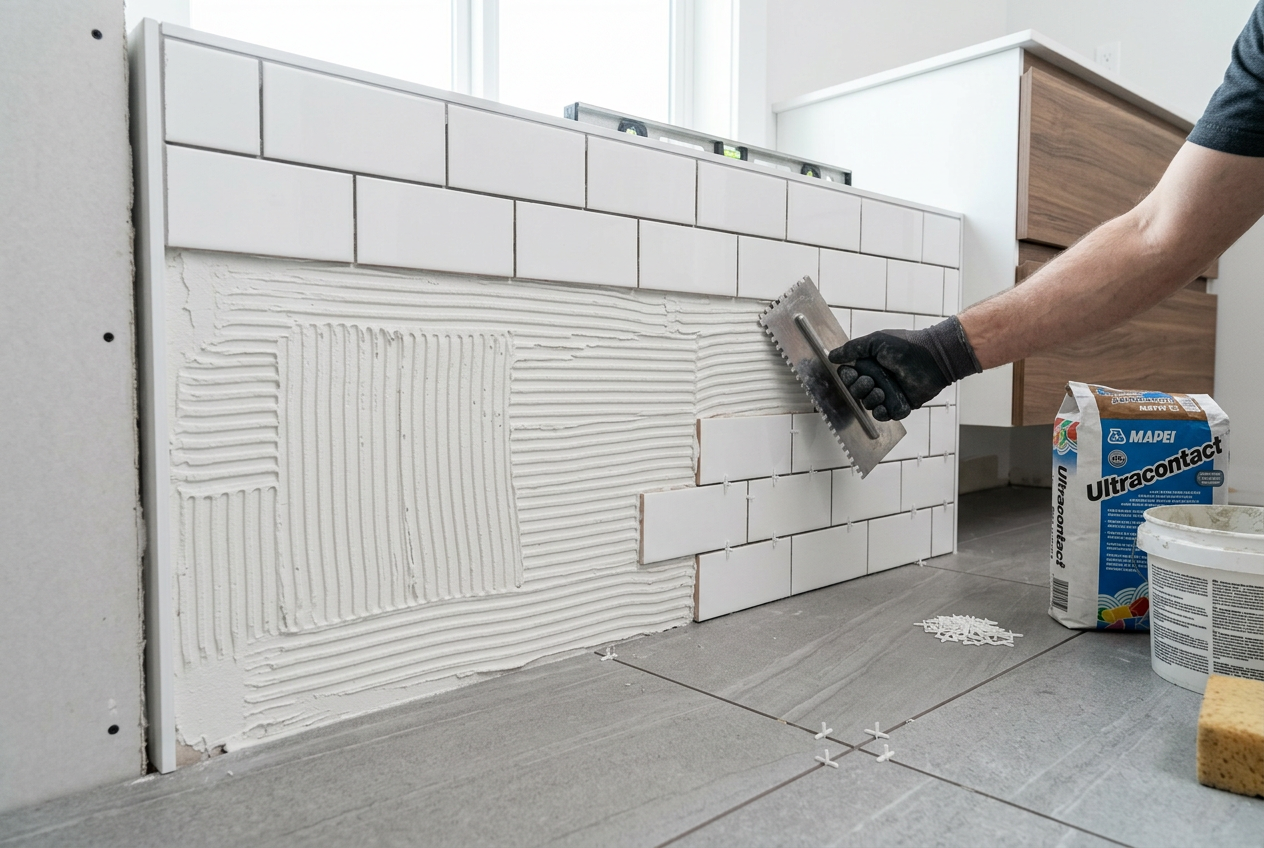
Tiling an outdoor deck or patio can transform a tired concrete slab or timber structure into a stunning, low-maintenance entertaining area. But outdoor tiling in New Zealand comes with real challenges — UV exposure, freeze-thaw cycles in cooler regions, heavy rain, and movement in the substrate can all cause tiles to crack or lift if the job isn't done right. Here's what you need to know before you start.
Is Outdoor Tiling a DIY Job?
Laying tiles on a ground-level concrete patio is within reach of a capable DIYer with patience and the right materials. However, tiling on a suspended timber deck is a more complex undertaking and is generally best left to an experienced tiler. Timber decks flex and move with moisture and temperature changes, which can crack grout and pop tiles loose if the system isn't engineered correctly. If your deck is elevated and requires structural assessment, you may also need to involve a Licensed Building Practitioner before proceeding.
Choosing the Right Substrate
The substrate — what you're tiling onto — is the most important factor in an outdoor tile job.
Concrete slabs
Concrete is the most forgiving substrate for outdoor tiles. It must be:
- Fully cured (typically at least 28 days for new concrete)
- Structurally sound with no significant cracking or movement
- Clean, free of sealers, oils, or curing compounds
- Laid with adequate fall to drain (at least 1:100 gradient, and ideally 1:80 for tiled surfaces) to prevent pooling
If the slab has existing cracks, have them assessed — active cracks will telegraph through to your tiles.
Timber decks
Tiling directly onto standard treated pine decking is not recommended. For a tiled timber deck, you typically need:
- A rigid, waterproof substrate board such as a fibre cement sheet (e.g. James Hardie products rated for exterior use) fixed over a suitably engineered frame
- A waterproof membrane applied over the substrate before tiling
- Flexible adhesive and grout systems designed for movement
Always check that your deck framing can handle the additional dead load — tiles and adhesive are heavy. A structural engineer or LBP can advise.
Waterproofing: Don't Skip This Step
Outdoor tiled areas that are covered (like a pergola) still get wet from splashing and condensation. Any tiled surface that drains water — especially on a raised deck — needs a proper waterproof membrane beneath the tiles. This aligns with the intent of the NZ Building Code clause E3 (Internal Moisture) and good practice for external wet areas. Products from Ardex, Mapei, and Sika all offer membrane systems suitable for outdoor use — follow the manufacturer's specifications carefully.
Selecting the Right Tiles
Not all tiles are suitable for outdoor use. Key things to look for:
| Property | What to Look For |
|---|---|
| Slip resistance | R11 rating or higher for outdoor areas (R12 for pool surrounds) |
| Frost resistance | Essential in Otago, Southland, and Central NZ |
| Water absorption | Porcelain tiles (≤0.5% absorption) are ideal outdoors |
| Size | Larger format tiles need a very flat substrate and flexible adhesive |
| Finish | Avoid polished or highly glazed tiles — they become dangerously slippery when wet |
Porcelain pavers (20 mm thick) are a popular and practical choice for NZ outdoor areas. They're durable, frost-resistant, and widely available at stores like Bunnings and Mitre 10.
Adhesives and Grout for Outdoor Use
Standard wall tile adhesive is not suitable outdoors. You need:
- A flexible, polymer-modified tile adhesive rated for external use (C2 classification or better under ISO 13007)
- Flexible grout — standard cement grout will crack outdoors due to movement and temperature cycling
- Movement joints (expansion joints) every 3–4.5 metres and at all changes of plane — this is critical and often skipped by DIYers
Leading adhesive brands available in NZ include Ardex, Mapei, and Sika — all have technical data sheets and helplines to guide product selection for your specific situation.
Drainage and Falls
Poor drainage is one of the most common causes of outdoor tile failure and creates slip hazards. Ensure:
- The substrate is laid with adequate fall before tiling begins
- Any drains or outlets are properly waterproofed and tiled around
- Water cannot pond under or behind the tile installation
When to Call a Professional
While a ground-level concrete patio tile job is achievable for a confident DIYer, you should strongly consider hiring a qualified tiler for:
- Any suspended or elevated deck — structural and waterproofing complexity is high
- Large format tiles (600 mm+) — these require precise substrate preparation and back-buttering technique
- Pool surrounds or wet areas — waterproofing must be done correctly
- Jobs requiring building consent — some deck alterations trigger consent requirements under the NZ Building Code
A professional tiler will also know the local climate considerations for your region — what works in Auckland's humid conditions differs from what's needed in a frosty Queenstown winter. You can find qualified, reviewed local tilers on tradedirectory.co.nz.
Safety Note
Always wear knee pads, safety glasses, and a dust mask (P2 rated) when cutting tiles — tile dust contains silica, which is a serious respiratory hazard. WorkSafe NZ has guidance on working safely with silica-containing materials.