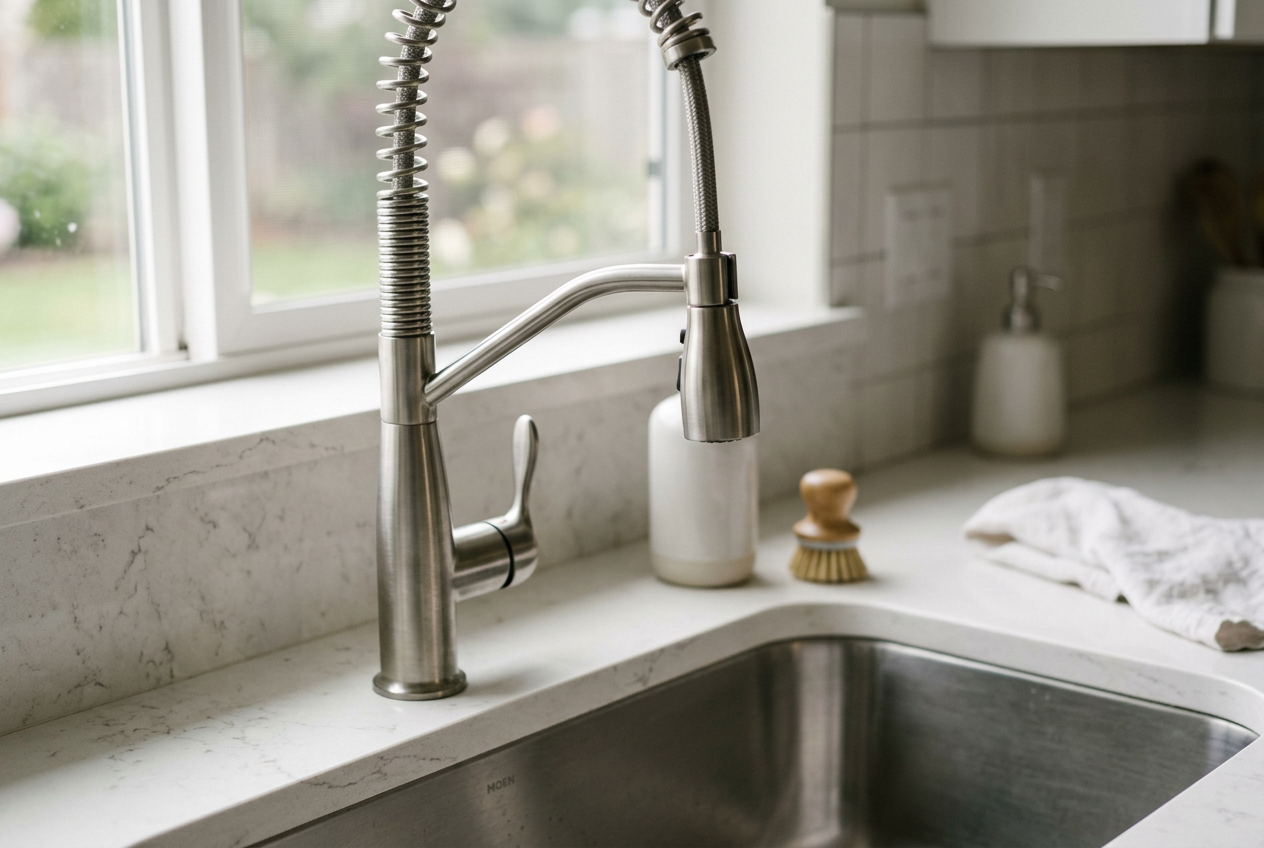
Replacing a kitchen mixer tap might look straightforward, but in New Zealand, most tap replacement work is classified as restricted plumbing work under the Plumbers, Gasfitters, and Drainlayers Act 2006. This means it must be carried out — or directly supervised — by a licensed tradesperson. Here's what you need to know before you reach for the spanner.
What Is Restricted Plumbing Work?
In NZ, restricted plumbing work covers any work on the pipes, fittings, and fixtures that connect to your home's water supply or sanitary drainage system. Replacing a kitchen mixer tap involves disconnecting and reconnecting supply lines to the pressurised water system, which falls squarely within this definition.
The Plumbers Gasfitters & Drainlayers Board (PGDB) is the authority that licenses and regulates plumbers in NZ. Only a licensed or certifying plumber (or someone under their direct supervision) can legally carry out this work. Doing it yourself without a licence could result in fines, and — more importantly — could void your home insurance if something goes wrong.
What Can a Homeowner Legally Do?
While you can't do the full tap replacement yourself, there are a few things you're generally permitted to do as a homeowner:
- Turn off the water supply at the isolation valves (the small valves under the sink) or at the toby (the main street-side shutoff).
- Remove the old tap once the water is isolated, if you're comfortable doing so — though confirm this with your plumber first, as practices vary.
- Purchase your own replacement tap and have it ready for the plumber to install. This can save on supply costs.
- Clean up the area under the sink to give the plumber easy access.
When in doubt, it's always best to check with a licensed plumber about what prep work is appropriate in your specific situation.
Why the Rules Exist
NZ's plumbing regulations exist for good reasons. Incorrect tap installations can cause:
- Water leaks leading to structural damage, mould, and rot — a serious concern given NZ's variable climate and the focus on weathertightness under the NZ Building Code.
- Cross-contamination of the potable water supply, which is regulated under NZ Building Code clause G12 (Water Supplies).
- Flooding if supply lines aren't properly secured or if the wrong fittings are used.
The MBIE Building Performance website has detailed information on the Building Code requirements that apply to plumbing work in NZ homes.
Does This Work Need a Building Consent?
In most cases, replacing a like-for-like kitchen mixer tap does not require a building consent — it's generally covered under Schedule 1 of the Building Act 2004 as exempt work. However, if you're moving the tap location, altering pipework, or making other changes to the kitchen layout, consent may be required.
Always confirm with your local council before starting any work, as exemptions can depend on your specific situation and property type.
Choosing the Right Tap
If you're buying the tap yourself ahead of the plumber's visit, keep these points in mind:
- Check your bench/sink hole size — most NZ kitchen sinks have a standard 35mm hole, but measure yours to be sure.
- Check the water pressure in your home. Some mixer taps are designed for low-pressure (gravity-fed) systems, while others suit mains pressure systems. Using the wrong type can cause poor performance or damage.
- Look for WELS-rated taps — the Water Efficiency Labelling and Standards scheme rates water efficiency. A higher WELS star rating means lower water use, which is good for the environment and your water bill.
- Reputable NZ suppliers like Bunnings, Mitre 10, and PlaceMakers stock a wide range of kitchen mixer taps suitable for NZ conditions.
What Will a Plumber Do?
A licensed plumber will typically:
- Isolate the water supply and drain the lines.
- Remove the old tap and fittings.
- Inspect the existing pipework for any issues.
- Install the new tap with appropriate fittings and thread sealant.
- Test for leaks and check water flow.
- Issue a Certificate of Compliance for the work — an important document for your records and for future property sales.
The Certificate of Compliance is a legal requirement for restricted plumbing work and confirms the job meets NZ standards.
How Much Might It Cost?
As a rough guide only, expect to pay for a minimum call-out fee plus labour (typically one hour or more), on top of any materials. Plumber rates vary by region and contractor. Getting two or three quotes is always a good idea. You can find qualified local plumbers on tradedirectory.co.nz.
When to Call a Professional
You should always call a licensed plumber to replace a kitchen mixer tap in NZ. This isn't optional — it's the law. Beyond compliance, a professional will spot any underlying issues (like corroded pipes or dodgy isolation valves) that a DIY job might miss. If your home is a rental, the Healthy Homes Standards also place obligations on landlords to maintain plumbing in good working order, making licensed work even more important.
Find a qualified, local plumber through tradedirectory.co.nz to get the job done safely, legally, and with the right paperwork.