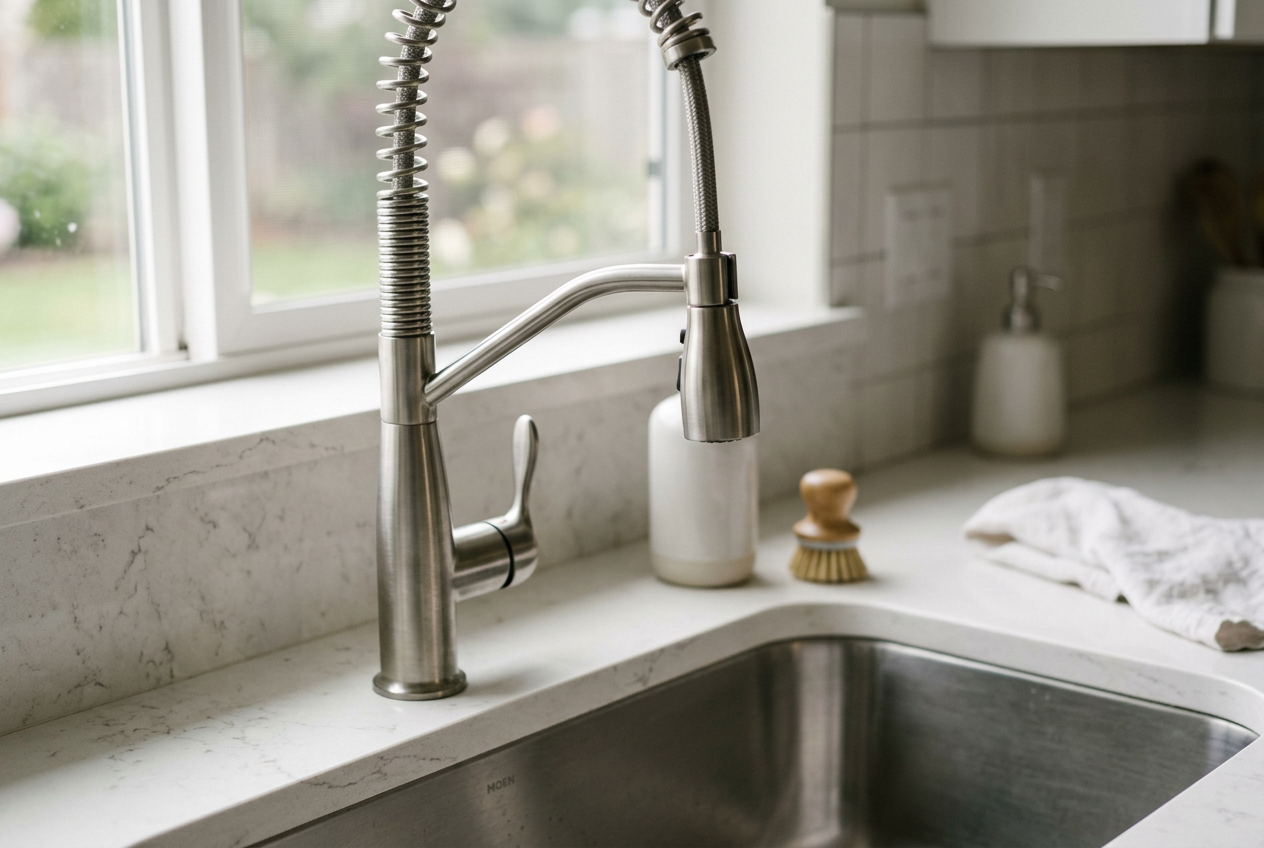
Replacing a bathroom tap might look straightforward, but in New Zealand it is classified as restricted sanitary plumbing work under the Plumbers, Gasfitters, and Drainlayers Act 2006. This means that in most cases, you are legally required to use a licensed tradesperson. Read on to understand exactly where the line sits, what the risks are, and how to get the job done safely and legally.
What the Law Says About Plumbing Work in NZ
Under New Zealand law, sanitary plumbing — which includes work on taps, pipes, and fittings connected to your water supply or drainage system — is restricted work. Only a person registered and licensed by the Plumbers, Gasfitters and Drainlayers Board (PGDB) is legally permitted to carry out this work. This applies whether you own or rent the property.
The intent of the law is to protect public health and ensure that plumbing systems meet the NZ Building Code, particularly clauses G12 (Water Supplies) and G13 (Foul Water), which set standards for safe, hygienic water delivery and drainage in homes.
What a Homeowner Can Legally Do
There is a limited owner-occupier exemption in the legislation, but it is narrow and often misunderstood. As a homeowner (not a tenant or landlord doing work on a rental), you may be permitted to do very minor maintenance — such as replacing a washer inside a tap — without a licence, provided:
- You are not connecting or disconnecting any pipework
- The work does not require a building consent
- You are the owner-occupier of the property
However, fully replacing a tap — which typically involves disconnecting the supply lines and installing new fittings — almost always goes beyond what the exemption covers. If you are unsure, the safest course of action is to contact the PGDB directly or consult your local council before starting any work.
Important: Tenants and landlords must not carry out restricted plumbing work themselves, regardless of how simple it appears.
Why This Rule Exists — and Why It Matters
Poorly installed taps can cause:
- Water leaks leading to structural damage, mould, and rot (relevant to NZ Building Code clause E3 – Internal Moisture)
- Cross-contamination of potable water supplies
- Flooding if supply lines are not properly isolated or reconnected
- Insurance issues — many home insurance policies will not cover water damage caused by unlicensed plumbing work
BRANZ research consistently highlights moisture ingress as one of the leading causes of building defects in New Zealand homes, so getting tap replacements right is more important than it might seem.
What the Job Actually Involves
A licensed plumber replacing a bathroom tap will typically:
- Isolate the water supply at the isolating valve under the basin or at the toby (main stopcock)
- Disconnect the existing supply lines (flexi hoses) from the tap tails
- Remove the old tap and clean the basin surface
- Fit the new tap, ensuring correct sealing with appropriate plumber's tape or jointing compound
- Reconnect supply lines, check for leaks, and restore water pressure
- *Issue a Certificate of Compliance (CoC) for the work, which is a legal requirement for licensed plumbing work in NZ
The Certificate of Compliance is an important document — keep it with your property records. It confirms the work meets the NZ Building Code and may be required if you sell your home.
How Much Does It Cost to Hire a Plumber?
As a rough guide only, a straightforward tap replacement by a licensed plumber in New Zealand might cost anywhere from around $150 to $400+, depending on your region, the complexity of the job, call-out fees, and the tap itself. Always get at least two quotes. You can find qualified local plumbers on tradedirectory.co.nz.
Choosing the Right Tap
If you are supplying your own tap for the plumber to install, make sure it carries the WELS (Water Efficiency Labelling and Standards) rating, which is mandatory for taps sold in New Zealand. Look for products available at retailers like Bunnings, Mitre 10, or PlaceMakers, and check that the tap is compatible with your existing basin hole configuration (single-hole, three-hole, wall-mounted, etc.) before purchasing.
Healthy Homes and Rental Properties
If you are a landlord, note that the Healthy Homes Standards require rental properties to have functional, well-maintained facilities. A dripping or broken tap must be repaired promptly — and that repair must be carried out by a licensed plumber.
When to Call a Professional
You should always call a licensed plumber for:
- Replacing any tap (basin, bath, kitchen, laundry)
- Fixing leaking pipes or supply lines
- Installing new plumbing fixtures
- Any work that involves cutting into or joining pipework
- Situations where a Certificate of Compliance is required
A licensed plumber can be found through the PGDB's public register or by searching tradedirectory.co.nz for plumbers in your area.