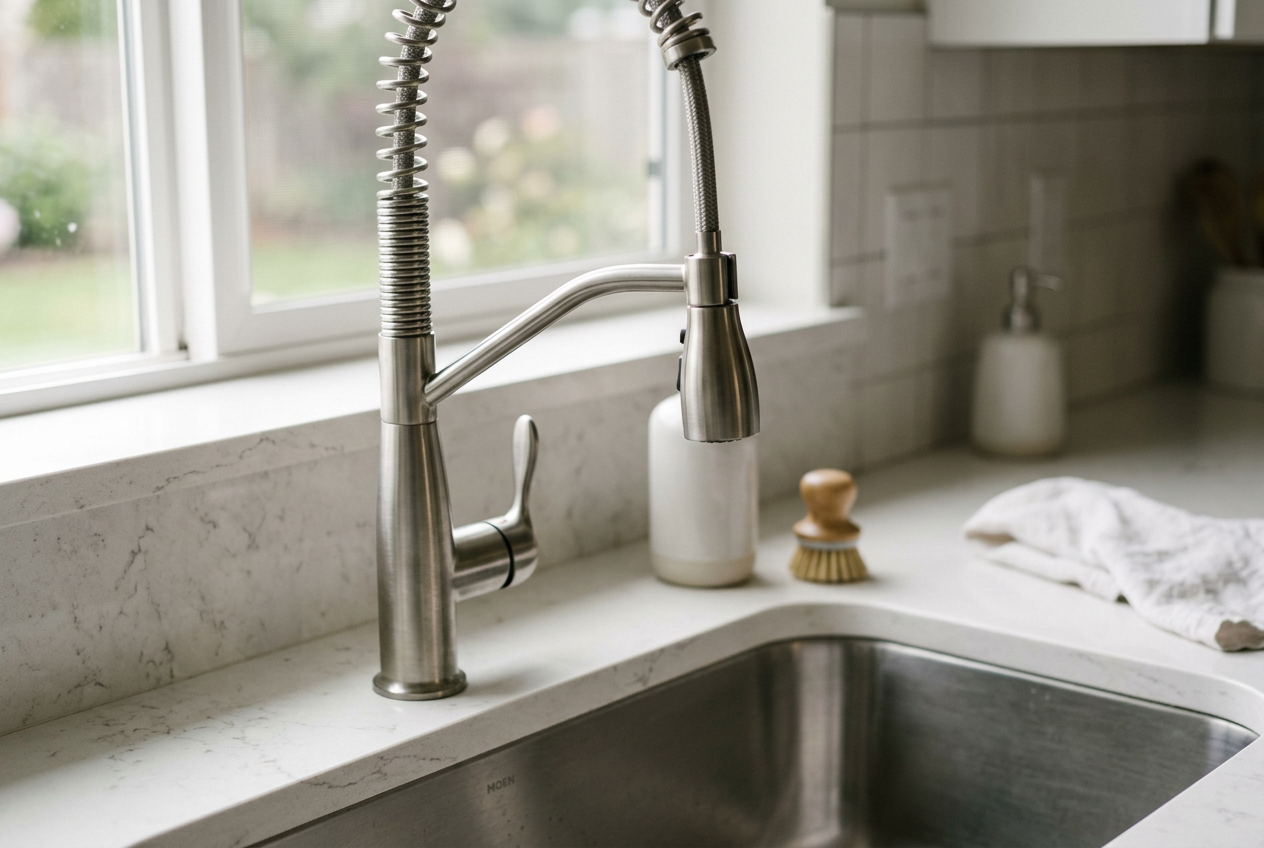
Replacing a bathroom basin in New Zealand is one of those jobs that sits right on the line between DIY and licensed trade work. The short answer is: some parts you can do yourself, but the plumbing connections are legally restricted work that must be carried out — or supervised — by a licensed plumber. Getting this wrong can void your home insurance and create compliance headaches down the track.
What the Law Says About Plumbing Work in NZ
Under the Plumbers, Gasfitters, and Drainlayers Act 2006, sanitary plumbing — which includes connecting a basin to water supply pipes and to the waste/drainage system — is restricted work. This means it must be performed by, or under the direct supervision of, a licensed craftsman plumber or journeyman plumber registered with the Plumbers, Gasfitters & Drainlayers Board (PGDB).
Once the work is complete, your plumber must issue you a Certificate of Compliance (CoC). Keep this document safe — you may need it when selling your home or making an insurance claim.
What a Homeowner CAN Do
While the pipe connections are off-limits for DIY, there are several tasks you can legally and safely tackle yourself:
- Removing the old basin — disconnecting the basin from the wall or vanity unit (once the water is turned off at the isolation valve or toby)
- Preparing the vanity cabinet — assembling flat-pack vanity units, drilling holes, and positioning the new basin
- Fitting the tap and waste fittings to the basin before it is installed (the tap body, waste plug, and overflow assembly can be fitted to the basin on the bench)
- Painting or tiling around the new basin area
- Sealing around the basin with a sanitary-grade silicone once the plumber has completed connections
By doing this preparation work yourself, you can reduce the time a plumber needs to spend on site, which may lower your overall cost.
What a Licensed Plumber MUST Do
The following tasks are restricted plumbing work and must not be done by an unlicensed person:
- Connecting or modifying the hot and cold water supply pipes to the new basin taps
- Connecting the waste pipe (P-trap or bottle trap) to the existing drain
- Any alterations to existing pipework — for example, if you're moving the basin to a new location
- Issuing the Certificate of Compliance for the completed work
If you're moving the basin to a different position, or adding a basin where there wasn't one before, a building consent may also be required. Always check with your local council before starting — consent requirements vary and MBIE Building Performance has useful guidance on Schedule 1 exemptions.
Step-by-Step: The DIY Portion
1. Turn Off the Water
Locate the isolation valves under the basin (or the toby at the boundary if there are none) and turn off the water supply. Open the taps to release pressure and confirm the water is off.
2. Disconnect and Remove the Old Basin
Place a bucket under the P-trap, then unscrew the trap from the waste outlet. Undo the flexi-hose connections to the tap tails. Unscrew any wall brackets or vanity fixings and carefully lift out the old basin.
3. Prepare the New Basin
Fit the tap set, waste, and overflow assembly to the new basin while it's on the bench — it's much easier than working in a cramped cabinet. Follow the manufacturer's instructions carefully.
4. Position and Support the Basin
If it's a wall-hung basin, check that the wall framing can support the load — BRANZ notes that basins need solid fixing points. For vanity-top basins, set the basin into the cabinet and check it's level.
5. Call Your Plumber
At this point, hand over to a licensed plumber to make the water supply and waste connections and issue the CoC.
6. Seal and Finish
Once the plumber signs off, apply a bead of sanitary silicone around the basin edge where it meets the wall or benchtop to prevent moisture ingress — important in NZ's varied climate where dampness can quickly cause damage behind walls.
Choosing a New Basin
NZ suppliers such as Placemakers, Mitre 10, and Bunnings stock a wide range of basins. Make sure any basin you choose carries the WaterMark certification mark, which confirms it meets Australian/NZ standards for sanitary products. Check the product packaging or ask the retailer.
Costs: A Rough Guide
As a general guide only, expect to pay a plumber's call-out and hourly rate for the connection work — rates vary by region and tradesperson. Supplying the basin yourself and doing the preparation work can help keep costs down. Always get at least two quotes.
When to Call a Professional
Call a licensed plumber if:
- You need to make any pipe connections (hot water, cold water, or waste)
- The existing pipework is corroded, leaking, or non-compliant
- You're relocating the basin or adding new plumbing
- You're unsure about any part of the process
You can find qualified, local plumbers on tradedirectory.co.nz — look for someone registered with the PGDB who can issue a Certificate of Compliance on completion.
Safety note: Never work on plumbing while the water supply is live. If you smell anything unusual or suspect asbestos in older wall linings (pre-1990s homes), stop work immediately and seek professional advice from WorkSafe NZ.