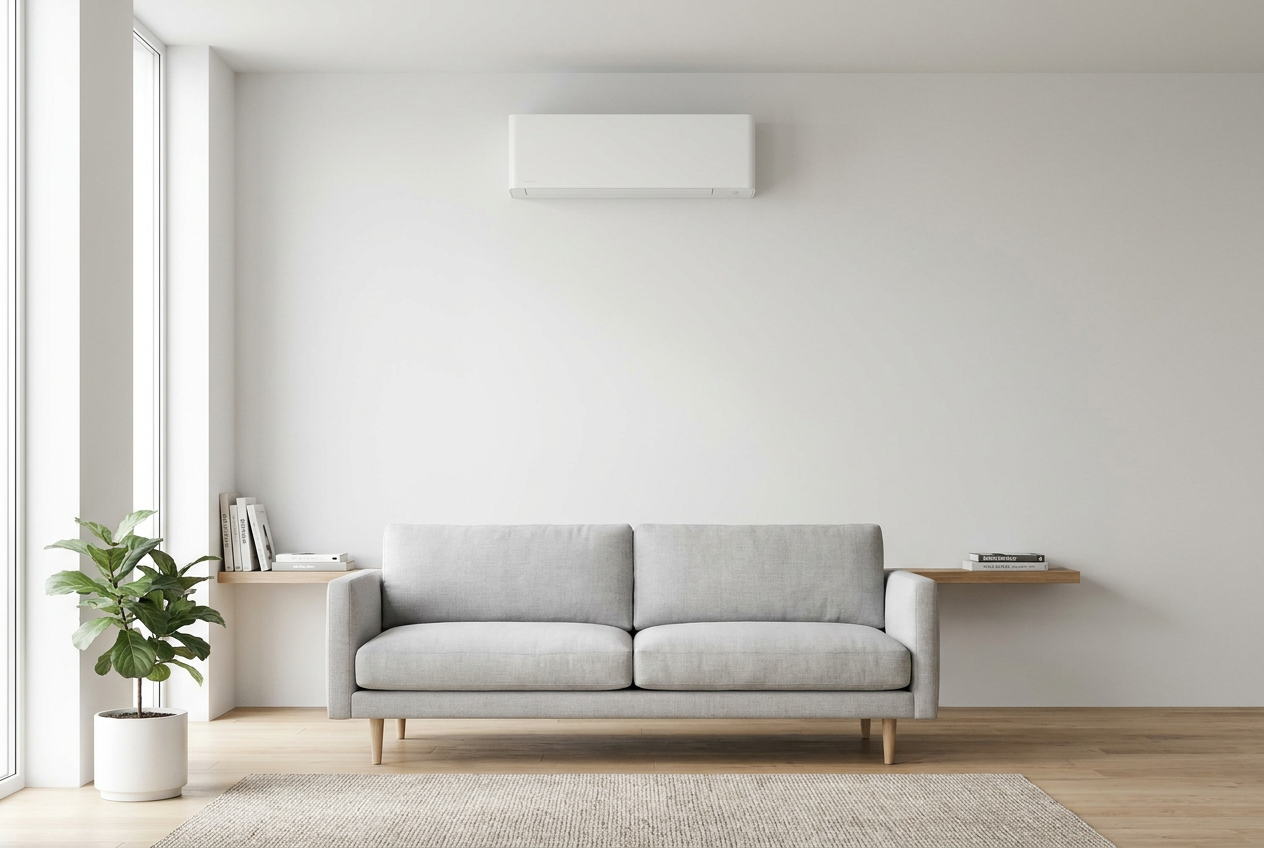
Relocating a heat pump indoor unit might seem like a straightforward job, but in New Zealand it involves restricted electrical work and almost certainly refrigerant handling — both of which are legally required to be carried out by licensed professionals. In short: no, a homeowner cannot legally do this job themselves from start to finish, but there are some preparation tasks you can help with to keep costs down.
Why You Can't Simply Move It Yourself
A split-system heat pump indoor unit is connected to three things that bring legal restrictions into play:
- Electrical wiring – The unit is hardwired to a dedicated circuit. Disconnecting and reconnecting this is restricted electrical work under the Electricity Act 1992, meaning it must be carried out by a registered electrician. Check the Electrical Workers Registration Board (EWRB) for what qualifies as restricted work.
- Refrigerant lines – The copper refrigerant pipes connecting the indoor and outdoor units contain refrigerants (commonly R32 or R410A). Disconnecting these lines releases refrigerant, which is both an environmental hazard and a safety risk. Handling refrigerants legally requires an EPA-approved refrigerant handling licence in New Zealand.
- Condensate drain – The drain line must be correctly pitched and routed to avoid mould, water damage, and compliance issues under NZ Building Code clause E3 (internal moisture).
Because of these overlapping requirements, the full relocation job must be done by a qualified heat pump installer or refrigeration mechanic, who typically holds both the necessary refrigerant handling certification and works alongside or holds electrical registration.
What the Job Actually Involves
Understanding the scope helps you have an informed conversation with your installer and get an accurate quote.
| Task | Who Does It |
|---|---|
| Recover refrigerant from the system | Licensed refrigeration mechanic |
| Disconnect electrical wiring | Registered electrician |
| Remove indoor unit from existing wall | Installer (with homeowner prep) |
| Chase or surface-run new pipe/cable route | Installer or builder |
| Mount bracket on new wall | Installer |
| Run new refrigerant lines, electrical cable, drain | Installer/electrician |
| Reconnect and re-gas the system | Licensed refrigeration mechanic |
| Test and commission | Installer |
| Issue electrical Certificate of Compliance | Registered electrician |
Does It Need a Building Consent?
In many cases, relocating an existing heat pump indoor unit to another wall in the same room — or nearby — may fall under Schedule 1 of the Building Act 2004 as exempt building work, particularly if no structural elements are affected. However, this is not guaranteed. If you're penetrating a new exterior wall for refrigerant lines, or the work affects weathertightness, a consent may be required.
Always check with your local council before starting work. You can find general guidance at MBIE Building Performance.
What Can a Homeowner Do?
While the technical work is off-limits, you can legally do some preparation to save time and money:
- Clear the area around both the existing and proposed new location.
- Patch and repaint the old wall after the installer has removed the unit and made good the penetrations — Resene and Dulux both offer interior wall paints suitable for this.
- Discuss the new location carefully with your installer beforehand — consider sun exposure, airflow, furniture placement, and proximity to the outdoor unit to minimise pipe run length (shorter runs = lower cost and better efficiency).
- Check your warranty – moving the unit may affect the manufacturer's warranty if not done by an authorised installer. Check your documentation before proceeding.
Choosing the Right Location
A good installer will advise you, but here are the key factors to consider for the new position:
- Height – Indoor units are typically mounted high on the wall for even air distribution.
- Airflow – Avoid corners, alcoves, or positions directly above furniture that will block airflow.
- Pipe run length – The closer the indoor unit is to the outdoor unit, the shorter (and cheaper) the refrigerant line run. Longer runs can also slightly reduce efficiency.
- Condensate drainage – The unit needs a clear, gravity-fed path for the condensate drain to exit the building or connect to a drain point.
- Noise – Avoid positioning directly above a bed or desk if noise is a concern.
Healthy Homes Considerations
If you're a landlord, your heat pump installation must comply with the Healthy Homes heating standard. Relocating the unit could affect compliance if it changes the heating capacity for the required living area — check with your installer and Tenancy Services if this applies to you.
Safety Note
Never attempt to disconnect refrigerant lines yourself. R32 (increasingly common in modern systems) is mildly flammable, and R410A is stored under high pressure. Improper handling can cause serious injury and is illegal under NZ environmental regulations. Always engage a licensed professional. WorkSafe NZ has guidance on refrigerant safety.
When to Call a Professional
For this job, calling a professional isn't just advisable — it's a legal requirement for the core work. You'll need a qualified heat pump installer who can manage or coordinate the refrigerant handling and electrical components. Look for someone who:
- Holds (or works with) a registered electrician who can issue a Certificate of Compliance for the electrical work.
- Is certified to handle refrigerants under NZ EPA requirements.
- Is familiar with your brand of heat pump (many manufacturers have authorised service agents).
You can find qualified, local heat pump installers in your area right here on tradedirectory.co.nz.