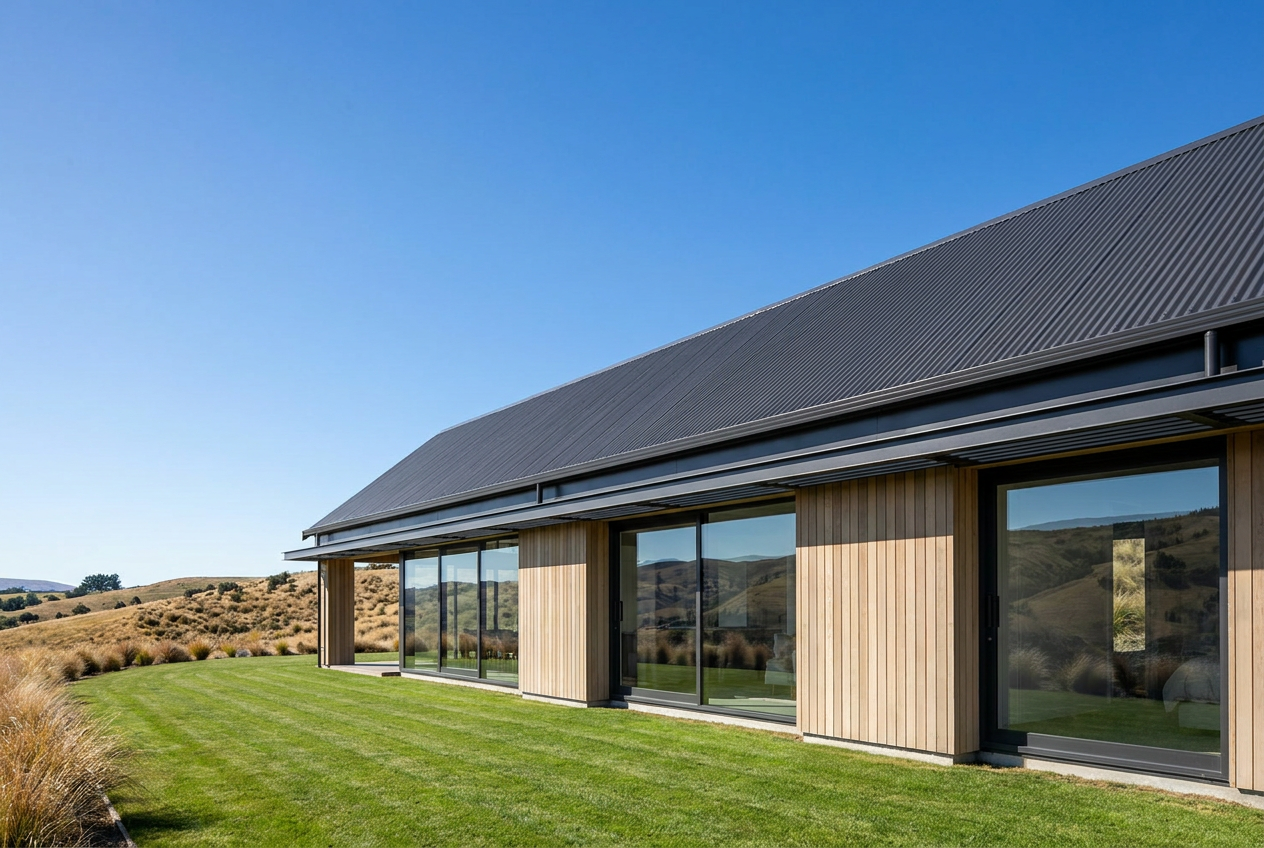
Painting your metal or Colorsteel roof can refresh your home's appearance and add years of protection against New Zealand's harsh UV, coastal salt air, and heavy rainfall. It's a project some confident DIYers tackle themselves — but it's not without real risks and technical demands. Here's what you need to know before you climb up there.
What Is Colorsteel and Why Does It Need Painting?
Colorsteel is a pre-painted, zinc/aluminium-alloy-coated steel roofing product widely used across New Zealand. Over time — typically after 15–25 years depending on location and exposure — the factory finish can chalk, fade, or develop surface rust at cut edges and fastener points. Repainting restores protection and appearance, but only if done correctly. Coastal and high-UV areas (like Northland or Central Otago) tend to see faster degradation.
Is It Legal for a Homeowner to Do This Work?
Good news: roof painting is not restricted building work under the NZ Building Code, so you don't need to be a Licensed Building Practitioner to do it yourself. However, if any roof penetrations, flashings, or plumbing vents need repair as part of the job, some of that work may involve a licensed tradesperson. Check guidance at MBIE Building Performance if you're unsure about the scope.
Safety First — This Is the Biggest Risk
Working at height is one of the leading causes of serious injury and death in New Zealand. WorkSafe NZ requires that anyone working at height takes practicable steps to prevent falls. For a homeowner, this means:
- Never work on a wet or damp roof — metal becomes extremely slippery.
- Use a roof ladder or chicken ladder hooked over the ridge to distribute your weight and give you footing.
- Set up scaffolding or edge protection around the perimeter where possible — this is strongly recommended for anything above single-storey.
- Work with a buddy on the ground who can call for help if needed.
- Wear rubber-soled, non-slip footwear.
- Avoid working in high winds or direct midday sun (hot metal is uncomfortable and paint can dry too fast).
If your roof is steep (over about 25°), multi-storey, or you're not confident with heights, seriously consider hiring a professional.
Choosing the Right Paint
Using the wrong paint is the most common DIY mistake. Standard exterior paints will not bond properly to metal roofing and will peel within a season.
You need a metal roof paint system specifically formulated for pre-painted or bare steel:
- Primer: Use a corrosion-inhibiting metal primer, especially over any bare steel, rust spots, or cut edges. Products from Resene (such as their Roof and Trim range) and Wattyl include suitable metal roof primers.
- Topcoat: Choose a high-quality acrylic or waterborne roof paint rated for metal substrates. Look for products with good UV resistance — critical in the NZ climate.
- Colour choice: Darker colours absorb more heat, which can affect your home's thermal comfort and may void some roofing warranties. Check with the manufacturer if your roof is still under warranty.
Dulux also offers metal roof coating systems worth comparing. Always read the technical data sheet for your chosen product — it will specify surface preparation requirements, recoat times, and coverage rates.
Surface Preparation — The Most Important Step
Paint will only perform as well as the surface beneath it. Skimping on prep is the number-one reason DIY roof paint jobs fail early.
Step-by-step prep:
- Inspect the roof for rust, loose fasteners, damaged flashings, and failed sealant. Fix these before painting.
- Clean thoroughly — remove all moss, lichen, dirt, and chalky residue. A low-pressure wash with a suitable fungicidal roof wash solution works well. Allow to dry completely (at least 24–48 hours of dry weather).
- Sand or wire-brush any rust spots back to bare metal, then spot-prime immediately.
- Degrease any oily or contaminated areas.
- Mask gutters, skylights, fascias, and any areas you don't want painted.
BRANZ provides research-backed guidance on exterior coatings and surface preparation that's well worth reading.
Application Tips
| Method | Pros | Cons |
|---|---|---|
| Brush & roller | Good control, less overspray | Slower, harder on large roofs |
| Airless sprayer | Fast, even coverage | Overspray risk, requires masking, more equipment |
- Apply paint on a dry, mild day — ideally 10–25°C with low humidity and no rain forecast for at least 24 hours.
- Follow the manufacturer's recommended dry film thickness and number of coats.
- Work from the ridge down to avoid walking on freshly painted surfaces.
- Pay extra attention to laps, ribs, and fastener heads where water can pool.
Realistic Cost and Time Expectations
As a rough guide, materials for a DIY metal roof paint job (primer, topcoat, cleaning products, masking) can run into several hundred dollars for an average-sized home — costs vary with roof size and product choice. Factor in equipment hire (scaffolding, sprayer) which can add significantly. A professional roof painter will cost more upfront but brings experience, proper equipment, and often a workmanship guarantee.
When to Call a Professional
Consider hiring a qualified roof painter if:
- Your roof is steep, high, or complex in shape.
- There is significant rust, damage, or flashing failure that needs assessment.
- You're not comfortable working at height.
- You want a warranty on the workmanship.
- The roof is still under a manufacturer's coating warranty (DIY painting may void it — check first).
A professional roof painter will also have access to commercial-grade products and spray equipment that deliver a more consistent result. You can find qualified, local roof painters on tradedirectory.co.nz.