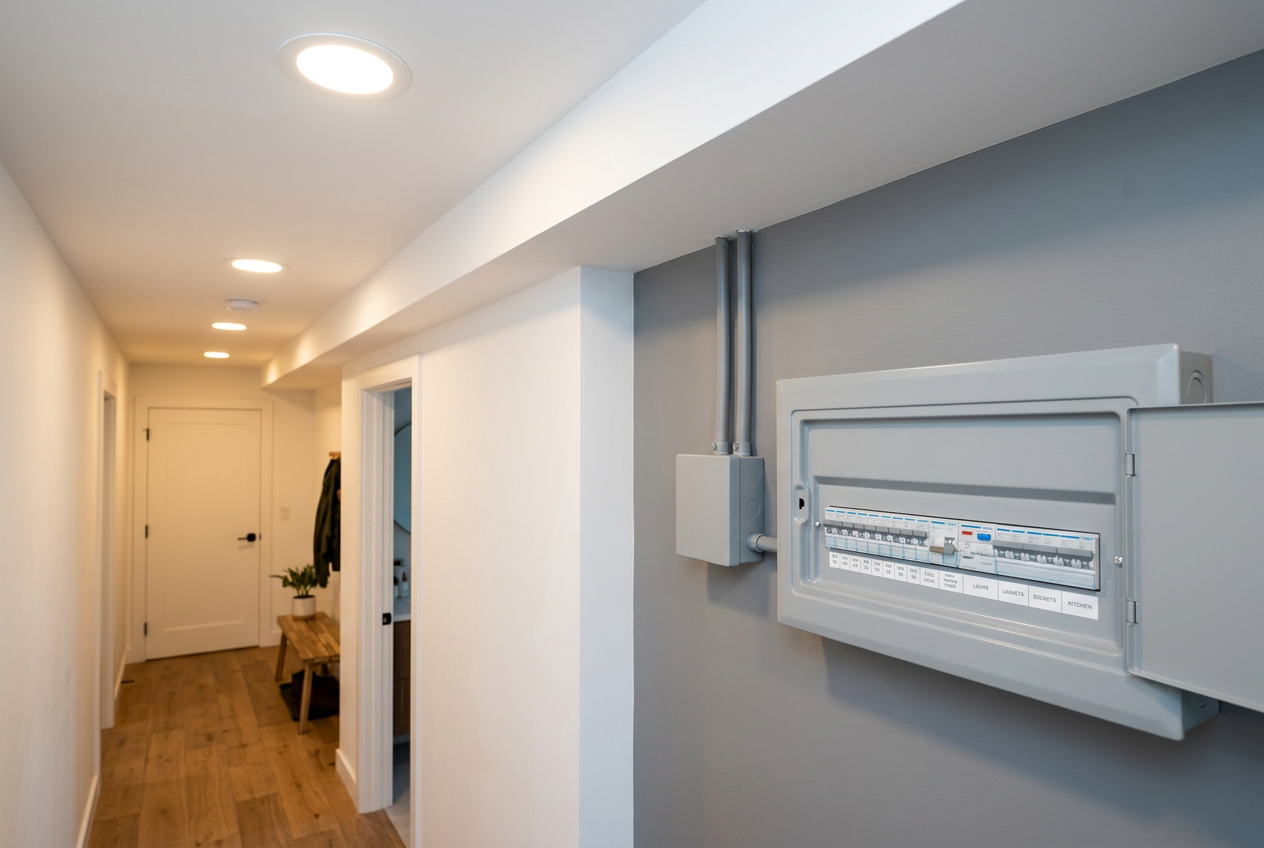
Heat pump wiring in New Zealand is restricted electrical work, which means it is illegal for a homeowner to carry it out themselves. By law, all electrical wiring — including the dedicated circuit for a heat pump — must be performed by, or under the supervision of, a registered electrician. Here's what you need to know before your heat pump installation.
What Is Restricted Electrical Work?
Under the Electricity Act 1992 and the Electricity (Safety) Regulations 2010, restricted electrical work covers any work that involves the fixed wiring of your home. This includes:
- Installing or modifying a dedicated circuit from your switchboard to the heat pump indoor and outdoor units
- Connecting cables to your consumer unit (switchboard)
- Installing a new circuit breaker or isolator
- Any work inside your meter board or distribution board
The Electrical Workers Registration Board (EWRB) oversees the licensing of electricians in NZ. Only a person registered with the EWRB — typically a registered electrician or licensed electrical inspector — can legally carry out and certify this work.
What Can a Homeowner Do?
While the wiring itself is off-limits, there are some tasks a homeowner can legally do as part of a heat pump installation:
- Choosing the location of the indoor and outdoor units
- Mounting the indoor unit bracket on the wall (mechanical fixing only, no wiring)
- Drilling penetration holes through walls for refrigerant lines and cables (where no electrical work is involved)
- Painting or decorating around the unit after installation
Essentially, anything that does not involve touching fixed wiring or making electrical connections is generally fine. When in doubt, stop and check with a professional.
What About the Refrigerant Lines?
It's worth noting that connecting refrigerant lines is also restricted work — but under a different set of rules. Handling refrigerants requires a refrigerant handling licence under the Ozone Layer Protection Act. Most heat pump installers are trained in both electrical and refrigeration work, or work alongside a qualified refrigeration technician. Always confirm your installer holds the appropriate licences before work begins.
Do I Need a Building Consent?
For most standard residential heat pump installations, a building consent is not required under Schedule 1 of the Building Act 2004. However, this depends on factors such as the size of the unit, the type of building, and your local council's requirements. Always check with your local council before proceeding, as rules can vary. You can find general guidance on consent exemptions at MBIE Building Performance.
What Paperwork Should I Expect?
Once the electrical work is complete, your registered electrician must issue a Certificate of Compliance (CoC). This document confirms the work meets the requirements of the New Zealand Wiring Rules (AS/NZS 3000) and is your legal proof that the installation is safe and compliant. Keep this certificate — you'll need it if you ever sell your home or make an insurance claim.
Healthy Homes and Rental Properties
If you're a landlord installing a heat pump to meet the Healthy Homes Standards, the same rules apply — all wiring must be done by a registered electrician. Cutting corners not only puts tenants at risk but could expose you to significant liability. The Healthy Homes heating standard specifies minimum heating capacity requirements, so make sure your installer sizes the unit correctly for the room.
Risks of DIY Electrical Work
Doing your own heat pump wiring is not just illegal — it's genuinely dangerous. Risks include:
- Electric shock or electrocution
- House fires caused by incorrect wiring or overloaded circuits
- Voided home insurance if a fault is traced to unlicensed work
- Fines and prosecution under the Electricity Act
- Difficulty selling your home without a CoC
WorkSafe NZ takes electrical safety seriously, and penalties for carrying out restricted work without a licence can be significant.
How Much Does Professional Heat Pump Wiring Cost?
As a rough guide, the electrical component of a heat pump installation (dedicated circuit, isolator, and CoC) typically adds to the overall installation cost. Most heat pump suppliers offer a full supply-and-install package that includes both the refrigeration and electrical work — this is usually the most cost-effective and hassle-free option. Get at least two or three quotes to compare.
When to Call a Professional
Simply put: always call a registered electrician for heat pump wiring. This is not a grey area — it is a legal requirement. A good installer will handle the electrical connection, refrigerant lines, and commissioning all in one visit, and will provide you with the Certificate of Compliance you need.
You can find qualified, local heat pump installers and registered electricians on tradedirectory.co.nz. Look for someone who is registered with the EWRB and, ideally, an authorised installer for your chosen heat pump brand.