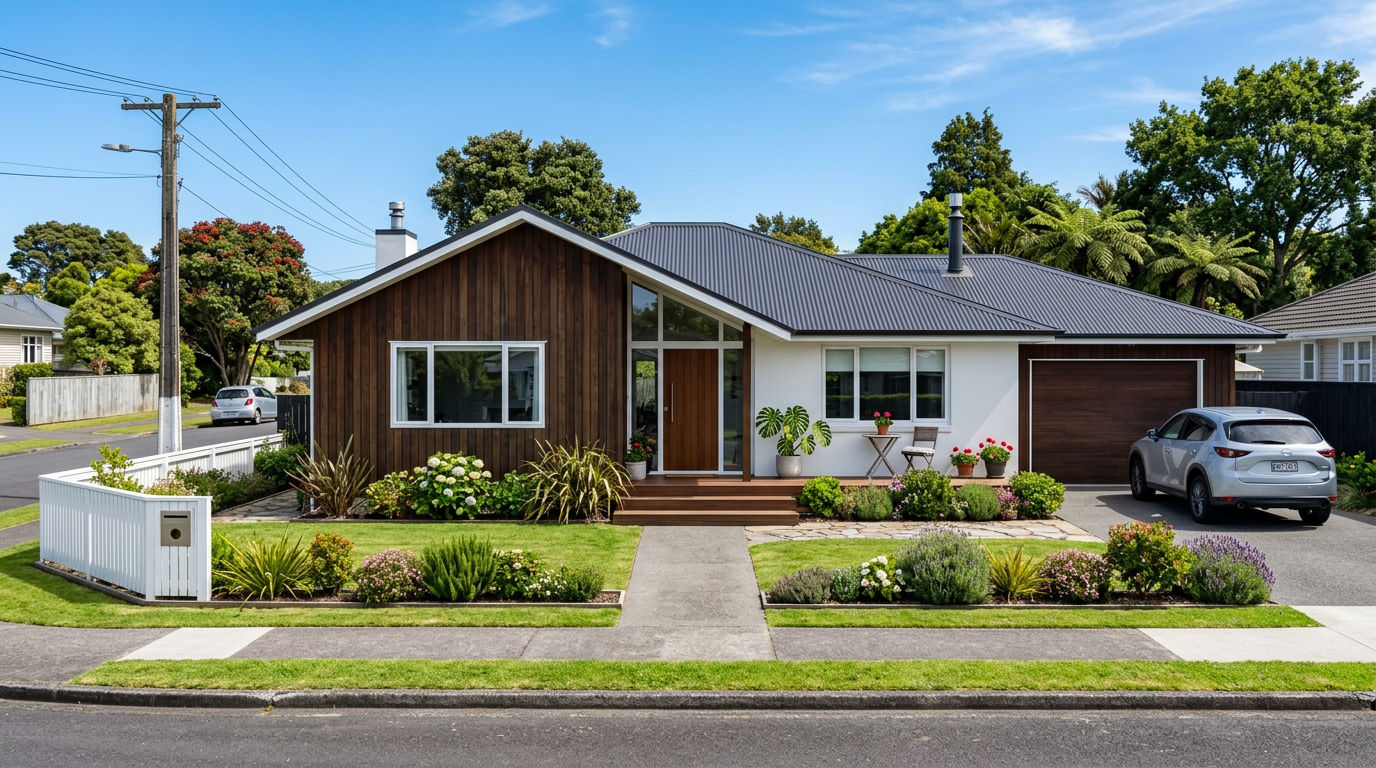
Yes, as a homeowner in New Zealand you can legally erect your own scaffolding for a house paint job — but only up to a point. The law sets clear height thresholds, and beyond those limits the work must be carried out by a trained and competent person. Get it wrong and you risk serious injury, a WorkSafe investigation, or an insurance headache.
What the Law Actually Says
Scaffolding in New Zealand is governed by the Health and Safety at Work Act 2015 and the Health and Safety at Work (General Risk and Workplace Management) Regulations 2016, administered by WorkSafe NZ. The key rule for homeowners is the 5-metre threshold.
- Below 5 metres: A homeowner doing their own domestic work can erect and use scaffolding without holding a formal scaffolding certificate, provided the structure is safe and fit for purpose.
- 5 metres and above: Scaffolding at this height is classified as restricted work under the regulations. It must be erected, altered, and dismantled by someone who holds a current Scaffolding Certificate of Competence issued under the regulations.
In practice, most single-storey NZ homes sit well under 5 metres at the eaves, so a basic scaffold for painting weatherboards is often within reach for a capable DIYer. Two-storey homes, steep sites, or high gable ends frequently push you over that limit.
Understanding the 5-Metre Rule in Practice
The 5 metres is measured as the height of the working platform above the ground (or the lowest fall surface), not the height of the building itself. So even on a single-storey home, a sloped section or a deck below could change the calculation. Always measure carefully before you start.
What Safe Scaffolding Looks Like
Even when you're legally permitted to erect your own scaffold, you still have a duty to ensure it is safe. WorkSafe NZ expects any scaffold to meet the requirements of AS/NZS 1576 (Scaffolding) and AS/NZS 4576 (Guidelines for Scaffolding). Key requirements include:
- Guardrails on all open sides and ends of platforms above 2 metres (top rail at 900–1100 mm, mid-rail, and toe boards)
- Stable base — frames must be on firm, level ground or properly adjusted base plates and sole boards
- Ties and bracing where required to prevent the structure from tipping
- Safe access — a proper ladder or stair tower, not climbing the frames
- Load rating — know the rated capacity of your hired or purchased system and don't exceed it
- Inspection — visually check the scaffold before each use and after any event (storm, impact) that could affect its integrity
Hiring vs Buying Scaffold Equipment
For a one-off paint job, hiring modular or frame scaffold from a hire company is usually the most practical option. Hire companies can advise on the right configuration for your home and often provide basic setup instructions. You can find scaffold hire equipment at major suppliers or through local hire companies listed on tradedirectory.co.nz.
If you're buying equipment, look for systems that comply with AS/NZS 1576. Retailers such as Bunnings and Mitre 10 stock aluminium mobile scaffold towers suitable for lower-height domestic work — always check the maximum platform height rating on the product.
Working at Heights: Key Safety Rules
- Never work on scaffolding in high winds or wet, slippery conditions.
- Keep the platform clear of clutter and excess paint tins.
- Wear appropriate footwear — no jandals.
- Let someone know you're working at height, or have a second person present.
- Check that your home insurance covers DIY work at height — some policies have exclusions.
For a broader overview of working safely at height, refer to WorkSafe NZ's guidance on falls from height.
Do You Need a Building Consent?
Temporary scaffolding erected for maintenance painting is generally exempt from building consent under Schedule 1 of the Building Act 2004. However, rules can vary, so it's always worth confirming with your local council before you start, particularly if the scaffold will be in place for an extended period or affects a public footpath.
When to Call a Professional
You should engage a licensed scaffolder if:
- The working platform will be 5 metres or higher above the ground
- Your site is on a steep slope, near a retaining wall, or has other hazards that complicate a safe setup
- You're uncomfortable with heights or unsure about the structural requirements
- The scaffold needs to be in place for more than a few days in changeable weather
- Your home has complex rooflines, dormers, or multi-level sections
A professional scaffolder holds a Certificate of Competence and carries the appropriate insurance. They'll erect a compliant, safe structure quickly — often in a few hours — and take responsibility for its integrity. You can find qualified local scaffolders on tradedirectory.co.nz to get quotes for your job.
For guidance on licensed building work and competency requirements more broadly, Licensed Building Practitioners (LBP) and MBIE Building Performance are useful starting points.