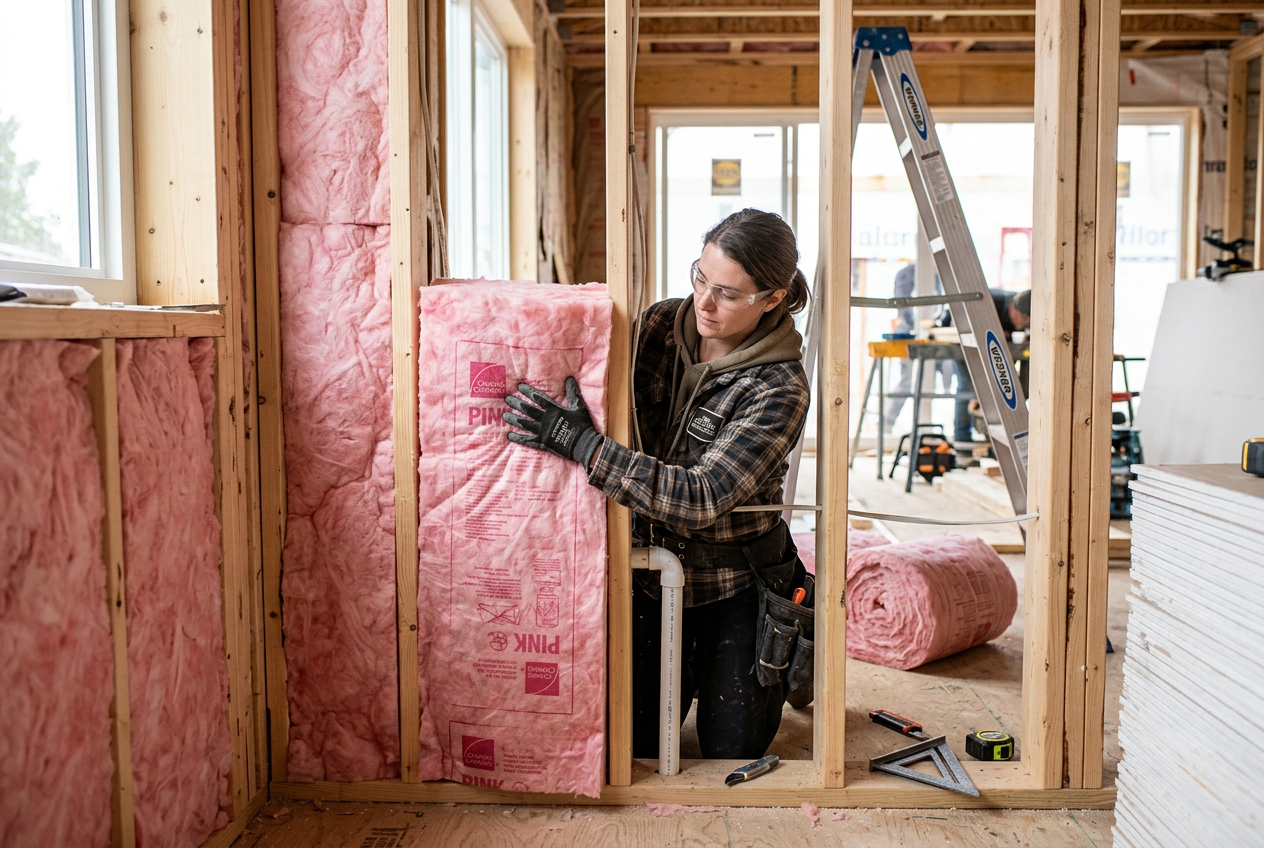
Yes, in most cases a NZ homeowner can install underfloor insulation themselves — it does not involve restricted building, electrical, plumbing, or gas work, so no licence is required. That said, it's a physically demanding job in a confined space, and doing it correctly matters both for performance and for meeting NZ's Healthy Homes Standards if you're a landlord.
Why Underfloor Insulation Matters in NZ
New Zealand homes — particularly older timber-framed houses on piles — lose a significant amount of heat through uninsulated floors. The NZ Building Code sets minimum insulation requirements for new builds, and the Healthy Homes Standards require rental properties to meet specific R-value minimums depending on your climate zone. Even for owner-occupiers, good underfloor insulation reduces heating bills and improves comfort year-round. Energywise has useful guidance on the energy savings you can expect.
Do You Need a Building Consent?
Installing underfloor insulation in an existing home is generally exempt from building consent under Schedule 1 of the Building Act 2004 — it's considered routine maintenance and improvement work. However, rules can vary, so always confirm with your local council before starting. You can find general guidance at MBIE Building Performance.
Choosing the Right Insulation
The most common underfloor insulation types used in NZ are:
- Polyester batts – easy to handle, no irritants, good for DIY. Brands like Autex (available at Bunnings) are widely used.
- Glasswool (fibreglass) batts – effective and affordable, but require protective gear as fibres irritate skin and lungs.
- Foil insulation – a reflective layer sometimes used in combination with batts; check manufacturer specs for correct installation.
- Rigid polystyrene boards – sometimes used in specific situations; less common for suspended timber floors.
R-Value Requirements
The required R-value (thermal resistance) depends on your climate zone. Under the Healthy Homes Standards for rental properties, underfloor R-values range from R1.3 to R2.0 depending on region. For new builds, check the NZ Building Code clause H1. BRANZ provides detailed technical guidance on R-values and insulation performance.
| Climate Zone | Minimum Underfloor R-value (Healthy Homes) |
|---|---|
| Zone 1 (Northland, Auckland) | R1.3 |
| Zone 2 (Central North Island, Wellington) | R1.3 |
| Zone 3 (South Island, Central Plateau) | R2.0 |
Always verify current requirements with Tenancy Services or your council, as standards can be updated.
What You'll Need
- Insulation batts sized to fit your joist spacing (typically 400 mm or 600 mm)
- Insulation support rods, wire, or netting to hold batts in place
- Tape measure, utility knife, and staple gun
- Protective gear: P2 respirator mask, safety glasses, gloves, long sleeves, and a head torch
- A crawler board or piece of plywood to spread your weight
- A helper is strongly recommended
You can find materials at Bunnings, Mitre 10, or PlaceMakers.
Step-by-Step Overview
- Measure your subfloor space – check joist spacing and the clearance height. You need at least 400–500 mm of clearance to work safely.
- Check for hazards – look for asbestos (common in pre-1990 homes), moisture damage, rodent activity, or old wiring in poor condition. If in doubt, stop and get a professional assessment.
- Prepare the area – ensure the subfloor is dry. Address any moisture or drainage issues before insulating, or you risk trapping damp.
- Cut batts to length and fit snugly between joists, with the foil face (if present) facing upward toward the floor.
- Secure the batts using support rods, wire clips, or netting so they don't sag or fall over time.
- Seal any gaps around pipes and edges where possible.
Safety First
Working in a subfloor is a confined space with real hazards. Key safety points:
- Never enter a subfloor without checking for adequate ventilation and no gas leaks.
- Wear a P2 respirator when handling glasswool — fibres are harmful if inhaled.
- If you suspect asbestos in any existing insulation, pipe lagging, or building materials, do not disturb it. Contact a licensed asbestos assessor. WorkSafe NZ has clear guidance on asbestos safety.
- Keep a phone with you and have someone check on you regularly.
When to Call a Professional
While DIY is feasible, there are situations where you should hire a qualified insulation installer:
- Very low subfloor clearance (under 400 mm) — too confined and risky for most homeowners.
- Suspected asbestos in existing materials — this is restricted work requiring a licensed removalist.
- Significant moisture, rot, or structural issues — these need to be fixed first by a qualified tradesperson.
- Rental properties — if you need a compliance certificate for Healthy Homes, a professional installer can provide documentation.
- Large or complex homes — professionals work faster and ensure consistent coverage.
You can find qualified local insulation installers on tradedirectory.co.nz to get quotes and compare options.