Installing solar panels is an exciting way to reduce your power bills and lower your carbon footprint — but in New Zealand, the rules around who can do what are quite clear. The short answer is: you can do some of the physical mounting work yourself, but all electrical connections must be carried out by a licensed electrician. Getting this wrong isn't just illegal — it can be genuinely dangerous and may void your home insurance.
What Work Can a Homeowner Legally Do?
As a homeowner, you may be able to handle some of the non-electrical, preparatory tasks yourself, such as:
- Planning your system — assessing roof orientation, pitch, and shading
- Purchasing equipment — panels, mounting rails, and racking hardware
- Physical mounting — bolting racking systems to the roof structure (though see the building consent note below)
- Cable routing — running conduit or cable trays, provided no live electrical connections are made
However, even these tasks come with caveats. Always check with your local council before starting, as some work may require a building consent.
What Is Restricted Electrical Work?
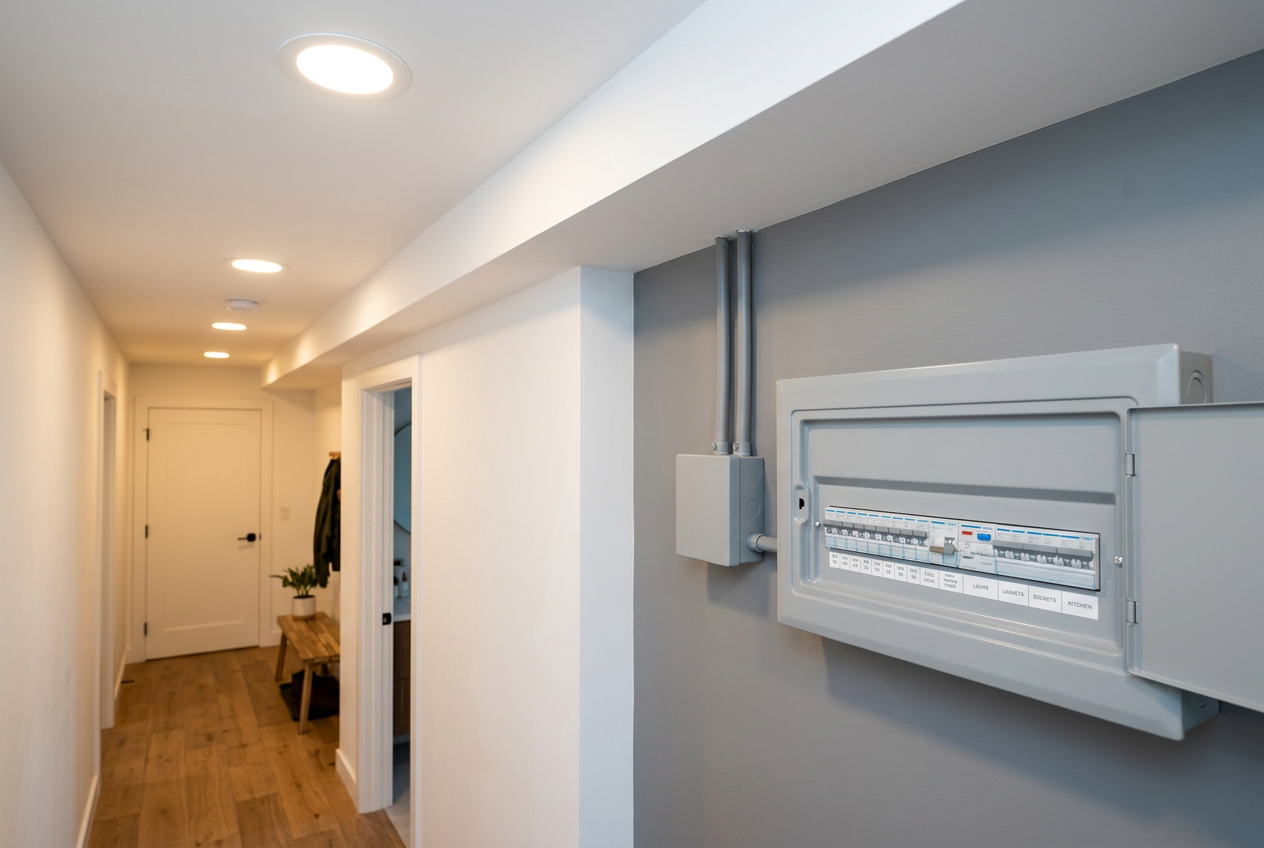
Under the Electricity Act 1992 and its regulations, all connections to your home's electrical system are restricted electrical work. This means a licensed electrician registered with the Electrical Workers Registration Board (EWRB) must carry out and certify:
- Connecting the solar inverter to your home's switchboard
- Installing any new circuits or isolators
- Grid-tie connections (connecting your system to the national grid for net metering)
- Battery storage system wiring
- Any work inside your switchboard or consumer unit
Doing this work yourself — or having an unlicensed person do it — is illegal and can result in serious fines. More importantly, faulty solar wiring is a significant fire and electrocution risk.
Do You Need a Building Consent?
This is where things can get a little nuanced. Under Schedule 1 of the Building Act 2004, some minor building work is exempt from requiring a building consent. Installing solar panels on an existing roof may fall under an exemption — but this depends on factors like:
- The weight loading added to the roof structure
- Whether any structural changes are made
- Your specific local council's interpretation
Always confirm with your local council before starting work. You can find general guidance on consent exemptions at MBIE Building Performance. Don't assume an exemption applies — getting it wrong can cause problems when you sell your home.
Connecting to the Grid
If you want to export excess power back to the grid (and earn a buy-back rate from your retailer), your system must meet your lines company's technical requirements and be approved before connection. This process typically involves:
- Applying to your local lines company for distributed generation approval
- Having a licensed electrician install and certify the system
- Notifying your electricity retailer to set up a buy-back arrangement
Your electrician will handle the Electrical Certificate of Compliance (CoC), which is the legal document confirming the work is safe and up to standard.
Battery Storage — Extra Caution Required
Adding a battery storage system (such as a home battery) introduces additional complexity and risk. Battery systems store large amounts of energy and can pose fire and chemical hazard risks if installed incorrectly. Always use a licensed electrician experienced with battery storage, and check that your installer follows the manufacturer's guidelines and any relevant standards. WorkSafe NZ has general guidance on electrical safety.
Healthy Homes and Rental Properties
If you're a landlord considering solar to help meet energy efficiency goals, note that solar alone doesn't satisfy Healthy Homes Standards requirements — those cover heating, insulation, ventilation, moisture, and draught stopping. That said, solar can certainly help reduce tenants' power costs, which is a worthwhile goal.
Choosing the Right Solar System
Before committing to any system, it's worth doing your research:
- Roof suitability — north-facing roofs at 20–35° pitch are generally ideal in NZ
- Shading — even partial shading can significantly reduce output
- System sizing — match your system to your actual power usage
- Inverter quality — your electrician can advise on reputable brands available in NZ
For independent guidance on solar and home energy efficiency, Energywise is a great starting point.
Rough Cost Guide
As a very broad guide only, a typical residential grid-tied solar system in NZ (6–10 panels) might range from around $8,000 to $20,000+ fully installed, depending on system size, battery inclusion, roof complexity, and your location. Always get at least three quotes from qualified installers.
When to Call a Professional
You should engage a licensed electrician for any solar installation that involves connecting to your home's wiring or the grid — which is essentially every practical solar installation. Look for an electrician with specific experience in solar PV systems. Many solar companies employ or contract licensed electricians as part of their installation teams.
For the structural and roofing aspects, a qualified roofer or builder may also be needed, particularly if penetrations through the roof membrane are required.
You can find qualified local electricians and solar installers on tradedirectory.co.nz.