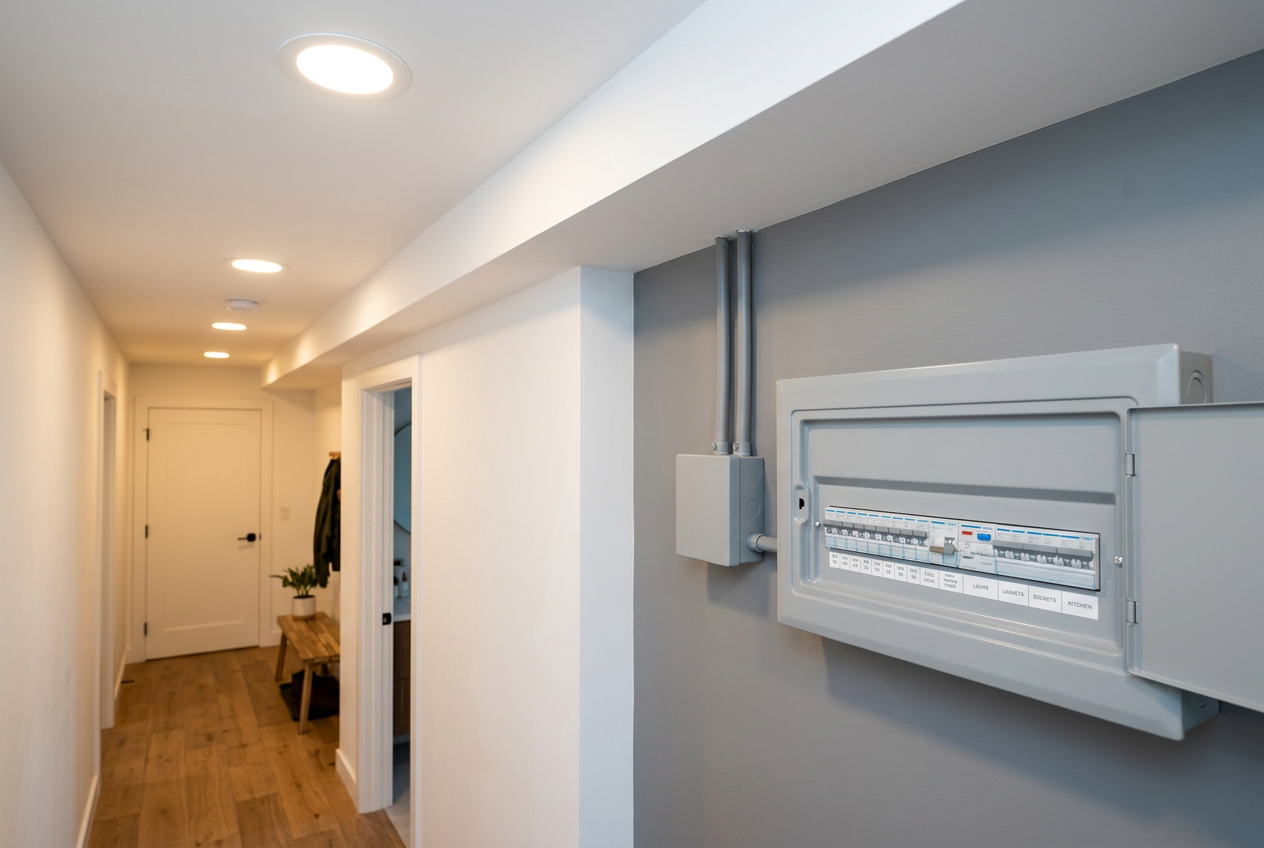
Outdoor lighting and garden power points can transform your backyard — but in New Zealand, most electrical installation work is restricted work that must be carried out by a licensed professional. Before you pick up a wire stripper, it pays to understand exactly where the legal line sits, what the risks are, and what you genuinely can do yourself.
What Counts as Restricted Electrical Work in NZ?
Under the Electricity Act 1992 and its regulations, restricted electrical work (REW) covers any work that could affect the safety of an electrical installation. This includes:
- Installing new outdoor light fittings that connect to fixed wiring
- Adding a new garden power point (GPO) to your home's wiring
- Running new cable through walls, underground, or in conduit from your switchboard
- Installing or modifying circuit breakers or RCDs in your switchboard
Only a registered electrician — licensed through the Electrical Workers Registration Board (EWRB) — can legally carry out this work. Once complete, they must issue you an Electrical Safety Certificate, which is your proof the work is safe and compliant.
What Can a Homeowner Legally Do?
You're not completely locked out of the process. As a homeowner, you can legally:
- Replace a like-for-like light fitting on an existing outdoor fitting, provided you are not altering the wiring (e.g. swapping a broken bulkhead light for an identical one using the same connections)
- Install plug-in outdoor lights that simply plug into an existing weatherproof power point
- Set up low-voltage garden lighting systems (12V transformer-based kits) that plug into an existing GPO
- Replace a light bulb or lamp in an existing fitting
- Install solar-powered garden lights — no mains wiring involved, no restrictions
If in doubt, the rule of thumb is simple: if it involves touching fixed wiring, conduit, or your switchboard, it's restricted work.
Why the Rules Exist — Safety First
Outdoor electrical installations face conditions that indoor wiring doesn't: rain, UV exposure, temperature swings, and the risk of someone digging through a buried cable. Poorly installed outdoor wiring is a genuine fire and electrocution hazard. WorkSafe NZ reports that electrical faults are a leading cause of house fires in New Zealand.
The NZ Building Code clause G9 (electricity) and relevant standards require that outdoor wiring, fittings, and power points are rated for external use (look for IP44 or higher weatherproof ratings) and that circuits supplying outdoor GPOs are protected by a residual current device (RCD).
What's Involved in a Typical Professional Installation?
When you hire a registered electrician to install outdoor lighting or a garden power point, here's what the job typically involves:
Outdoor Light Fitting
- Selecting a weatherproof fitting (IP44+ rated)
- Running cable from the nearest suitable circuit or switchboard
- Installing a weatherproof junction box if needed
- Connecting and testing the circuit
- Issuing an Electrical Safety Certificate
Garden Power Point
- Assessing your switchboard capacity
- Running a new circuit (often in conduit or underground armoured cable)
- Installing a weatherproof GPO rated for outdoor use
- Fitting RCD protection on the circuit
- Testing and certifying the work
| Task | DIY Legal? | Notes |
|---|---|---|
| Solar garden lights | ✅ Yes | No mains wiring involved |
| Plug-in 12V garden lighting kits | ✅ Yes | Uses existing GPO |
| Like-for-like light fitting swap | ✅ Yes (with care) | No wiring changes |
| New outdoor light on fixed wiring | ❌ No | Restricted work |
| New garden power point | ❌ No | Restricted work |
| Underground cable run | ❌ No | Restricted work |
| Switchboard changes | ❌ No | Restricted work |
Choosing the Right Products
If you're buying fittings or discussing options with your electrician, look for products with a suitable IP (Ingress Protection) rating — IP44 as a minimum for covered outdoor areas, IP65 or higher for fully exposed locations. Retailers like Bunnings and Mitre 10 stock a good range of weatherproof fittings and low-voltage garden lighting kits suitable for NZ conditions.
For underground cable runs, your electrician will typically use armoured cable or PVC conduit buried at the correct depth to meet the requirements of NZS 3000 (the NZ Wiring Rules).
Costs — A Rough Guide
As a general guide only, a straightforward outdoor light installation by a registered electrician might cost anywhere from around $150–$400 per fitting depending on complexity, cable runs, and your location. A new garden power point with a dedicated circuit could range from roughly $300–$700+. Always get at least two or three quotes.
When to Call a Professional
Call a registered electrician any time you want to:
- Add a new outdoor light connected to your home's wiring
- Install a garden or driveway power point
- Run cable underground to a shed, garage, or garden area
- Upgrade your switchboard to accommodate new outdoor circuits
You can find qualified, local electricians on tradedirectory.co.nz — look for someone who is registered with the EWRB and ask to see their licence. A reputable electrician will always provide an Electrical Safety Certificate on completion.