Installing a rangehood is a popular kitchen upgrade, but in New Zealand the answer to whether you can do it yourself depends heavily on what the job involves. The physical mounting and ducting may be within reach of a capable DIYer, but wiring a new dedicated circuit is restricted electrical work that must be carried out by a licensed electrician. Getting this wrong isn't just illegal — it's a serious fire and safety risk.
What the Law Says About Electrical Work in NZ
Under the Electricity Act 1992 and associated regulations, most electrical wiring work in New Zealand is classified as restricted electrical work (REW). This means it must be performed — or directly supervised — by a registered electrician, and a Certificate of Compliance (CoC) must be issued on completion.
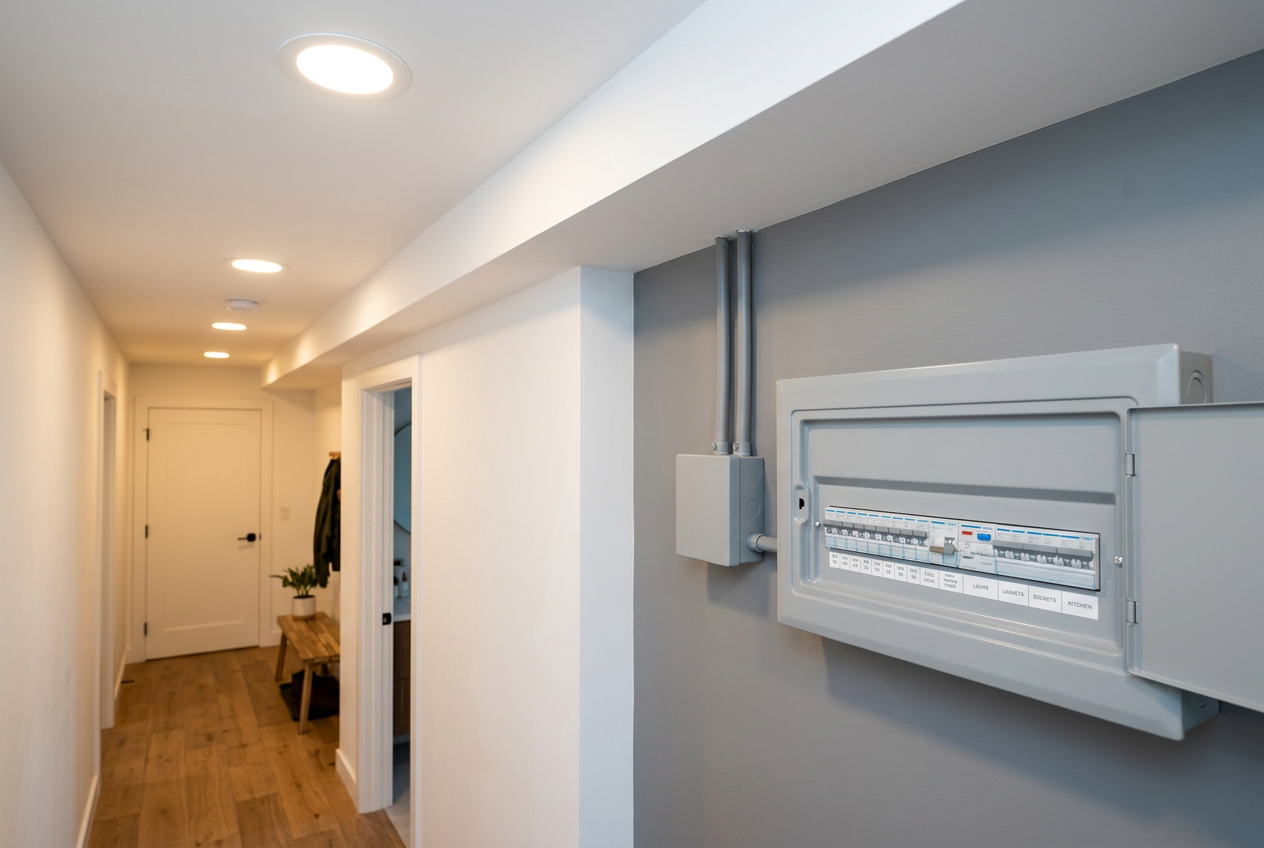
The Electrical Workers Registration Board (EWRB) oversees licensing and can tell you exactly what qualifies as restricted work. As a homeowner, you are not permitted to install a new circuit, run new cable in walls or ceiling cavities, connect to your switchboard, or install a new circuit breaker. These tasks all require a licensed electrician.
What a Homeowner Can Legally Do
There is a narrow category of owner-occupier electrical work that doesn't require a licence, but it is limited. Generally, you may:
- Replace a like-for-like rangehood that plugs into an existing, accessible GPO (power point) — provided no new wiring is needed
- Connect a rangehood to an existing dedicated outlet if the outlet is already in place and accessible
- Carry out the physical mounting and cabinetry work
If your rangehood simply plugs into a standard 10-amp power point that already exists in the right location, the electrical side may be straightforward. However, if a new dedicated circuit is needed — which is common for larger or ducted rangehoods — a licensed electrician must do that work.
Important: Even if you believe work is minor, always check with the EWRB or a licensed electrician before proceeding. Unlicensed electrical work can void your home insurance and create serious liability.
Why a Dedicated Circuit Is Often Recommended
Many modern rangehoods — particularly ducted models or those with powerful motors — benefit from or require a dedicated 10-amp or 20-amp circuit. This prevents nuisance tripping when the rangehood runs alongside other kitchen appliances on a shared circuit. Your electrician will assess your switchboard capacity and run the appropriate cable (typically 1.5mm² or 2.5mm² TPS) to a suitable outlet or hardwired connection.
The Physical Installation: What You Can Tackle
Once the electrical circuit is sorted by a professional, there is meaningful DIY work involved in fitting a rangehood:
- Mounting the unit to the wall or underside of cabinetry using the manufacturer's template and fixings
- Installing the ductwork — cutting a hole through an external wall or ceiling and fitting the duct, elbows, and exterior vent cap
- Connecting flexible or rigid ducting between the rangehood and the exterior vent
- Recirculating filter installation if you're using a filterless duct-free model
Always follow the manufacturer's installation instructions carefully. Duct diameter, run length, and the number of bends all affect rangehood performance. Most manufacturers specify a maximum equivalent duct length — exceeding this reduces extraction efficiency significantly.
Ducting Through an External Wall
If you're cutting through an external wall, be aware of your obligations under the NZ Building Code — particularly Clause E2 (External Moisture). The penetration must be properly flashed and sealed to prevent water ingress. Check with your local council whether a building consent is required; many minor internal alterations are exempt under Schedule 1 of the Building Act, but external penetrations can sometimes require consent depending on your council's interpretation. Always confirm with your council before cutting.
Choosing the Right Rangehood
When selecting a rangehood, consider:
| Factor | What to Check |
|---|---|
| Extraction rate | Match to your cooktop size and cooking style |
| Ducted vs recirculating | Ducted is more effective; recirculating needs no external vent |
| Noise level | Measured in dBA — lower is quieter |
| Power requirements | Check if a dedicated circuit is needed |
| Canopy vs undermount | Affects cabinetry and installation complexity |
You'll find a good range of rangehoods and ducting accessories at Bunnings and Mitre 10, and your electrician or kitchen supplier can advise on suitable models for your setup.
When to Call a Professional
You must engage a licensed electrician for:
- Installing any new wiring or circuit from the switchboard
- Adding a new circuit breaker or RCD to your switchboard
- Any hardwired rangehood connection (no plug)
- Any work inside the switchboard
For the physical installation and ducting, a competent DIYer can often manage — but if you're unsure about cutting into walls, working around insulation, or flashing external penetrations, it's worth getting a qualified tradesperson involved. A Licensed Building Practitioner (LBP) can assist with structural or weathertightness aspects.
You can find licensed local electricians and other tradespeople on tradedirectory.co.nz — always ask to see their licence and request a Certificate of Compliance once electrical work is complete.
Safety Note
Never attempt to work on your switchboard, run cables in wall cavities, or connect wiring without a licence. Faulty electrical work is a leading cause of house fires in New Zealand. The WorkSafe NZ website has further guidance on electrical safety in the home.