Heat pumps are one of the most popular home heating and cooling solutions in New Zealand — efficient, effective, and increasingly affordable. But before you grab a spanner and start drilling through the wall, it's important to understand that most of the core installation work is legally restricted and must be carried out by licensed professionals. Here's a clear breakdown of what's involved, what the law says, and how to get the job done safely and correctly.
The Short Answer: Not Really — Here's Why
In New Zealand, installing a heat pump involves two types of restricted work that homeowners cannot legally perform themselves:
- Electrical work — connecting the unit to your home's wiring or consumer board is restricted work under the Electricity Act 1992. Only a registered electrician can do this. You can check registration requirements at the Electrical Workers Registration Board (EWRB).
- Refrigerant handling — charging, recovering, or handling refrigerants (such as R32 or R410A) requires a certified refrigeration technician. Refrigerants are regulated under the Ozone Layer Protection Act and require specialist equipment and certification.
Attempting either of these tasks yourself is not only illegal — it can be dangerous and may void your home insurance or the product warranty.
What Is a Heat Pump System Made Up Of?
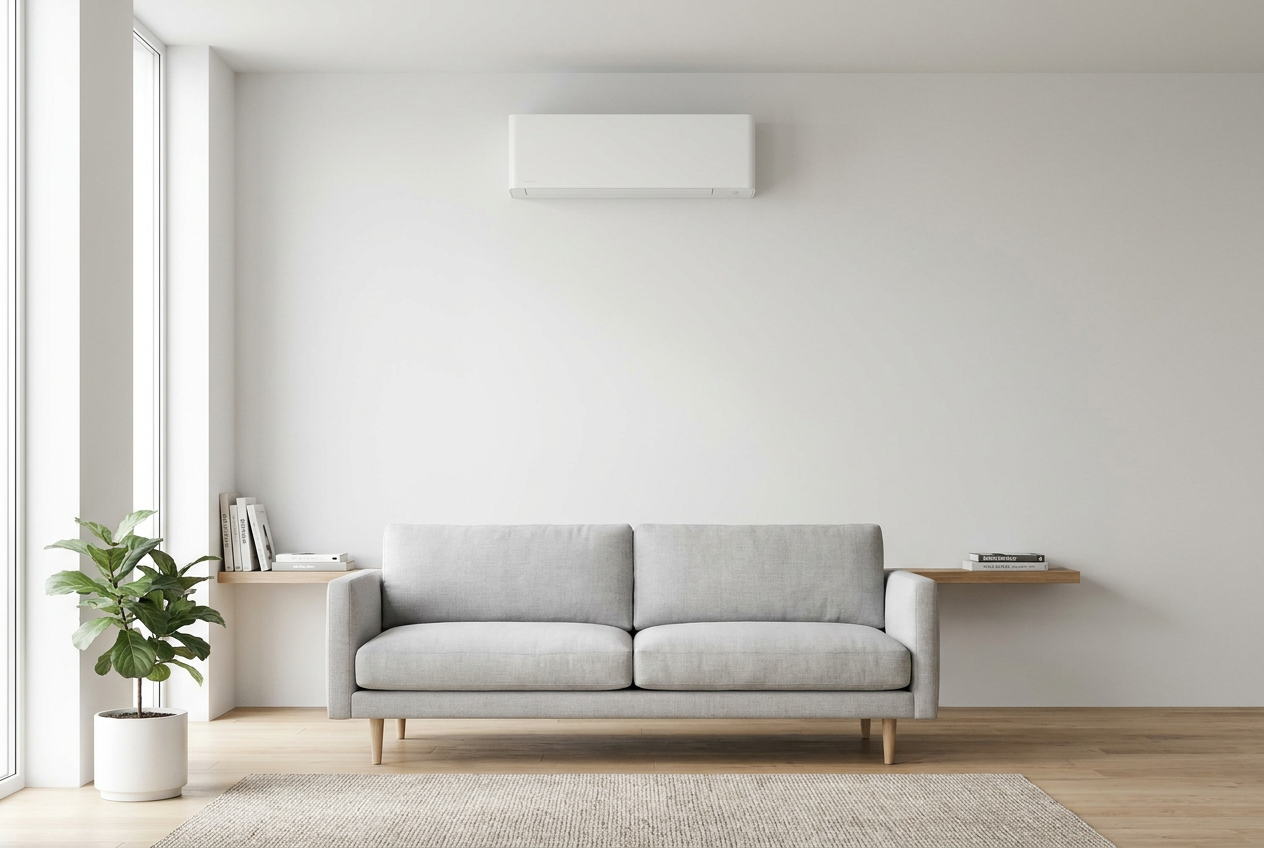
A standard split-system heat pump (the most common residential type in NZ) has two main components:
| Component | Location | What it does |
|---|---|---|
| Indoor unit (head unit) | Inside the room | Distributes heated or cooled air |
| Outdoor unit (compressor) | Outside the home | Exchanges heat with the outside air |
These are connected by refrigerant lines, electrical cabling, and a condensate drain. All of these connections require licensed work to complete legally.
What Can a Homeowner Legally Do?
While the core installation must be done by a professional, there are some preparatory tasks you may be able to handle yourself:
- Choosing the right location — thinking about where the indoor and outdoor units will go (airflow, sun exposure, noise, aesthetics)
- Clearing the installation area — moving furniture, clearing wall space, and ensuring outdoor unit access
- Basic research — comparing brands, getting multiple quotes, and understanding your heating needs (room size, insulation levels, climate zone)
- Condensate drain maintenance — once installed, keeping the drain clear is a simple ongoing task
For guidance on sizing and energy efficiency, Energywise has useful resources on choosing the right heat pump for your home.
NZ Building Code and Compliance
Heat pump installation must comply with the New Zealand Building Code, particularly:
- Clause G12 (Water supplies) — relevant if condensate drainage connects to the plumbing system
- Clause H1 (Energy efficiency) — your home's insulation and thermal performance affects what size unit you need
- NZS 3000 — the wiring standard that all electrical work must meet
In most cases, a building consent is not required for a standard residential heat pump installation, but it's worth checking with your local council if you're unsure. MBIE Building Performance has guidance on when consents are needed.
Healthy Homes Standards — Landlords Take Note
If you're a landlord, heat pumps are often used to meet the Healthy Homes heating standard, which requires rental properties to have a fixed heating device capable of heating the main living room to at least 18°C. Installation must still be done by a licensed professional. More information is available at Tenancy Services.
Choosing the Right Heat Pump
NZ has a wide range of reputable brands available through retailers and installers. When comparing options, look at:
- Heating capacity (kW) — matched to your room size and climate zone (Southland needs more grunt than Auckland)
- Energy star rating — higher is better for running costs
- Noise levels — especially important for bedrooms or close neighbours
- Cold-climate performance — some units are rated to operate efficiently at temperatures well below zero, important for Central Otago or alpine areas
You can find heat pumps and accessories at Bunnings or Mitre 10, though purchasing through your installer often includes warranty support.
When to Call a Professional
The honest answer is: for virtually all of the actual installation, you need a licensed professional. A qualified heat pump installer will typically be both a registered electrician and a certified refrigeration technician — or work as part of a team that covers both.
A good installer will:
- Assess your home and recommend the right unit and placement
- Handle all electrical connections and issue a Certificate of Compliance (CoC)
- Safely handle refrigerants and pressure-test the system
- Commission the unit and walk you through operation
- Ensure the installation meets the NZ Building Code
⚠️ Safety note: Refrigerants under pressure are hazardous. Incorrect electrical connections can cause fire or electrocution. Never attempt to handle refrigerant lines or make electrical connections yourself.
To find a qualified, local heat pump installer you can trust, search the tradespeople listed on tradedirectory.co.nz — all listings are trade-focused so you can find someone in your region quickly.
Rough Cost Guide
As a very general guide, professional supply-and-install of a standard single-room split-system heat pump in NZ can range broadly depending on the brand, capacity, installation complexity, and your location. Always get at least two or three quotes. Consumer NZ periodically reviews heat pumps and can help you compare models.