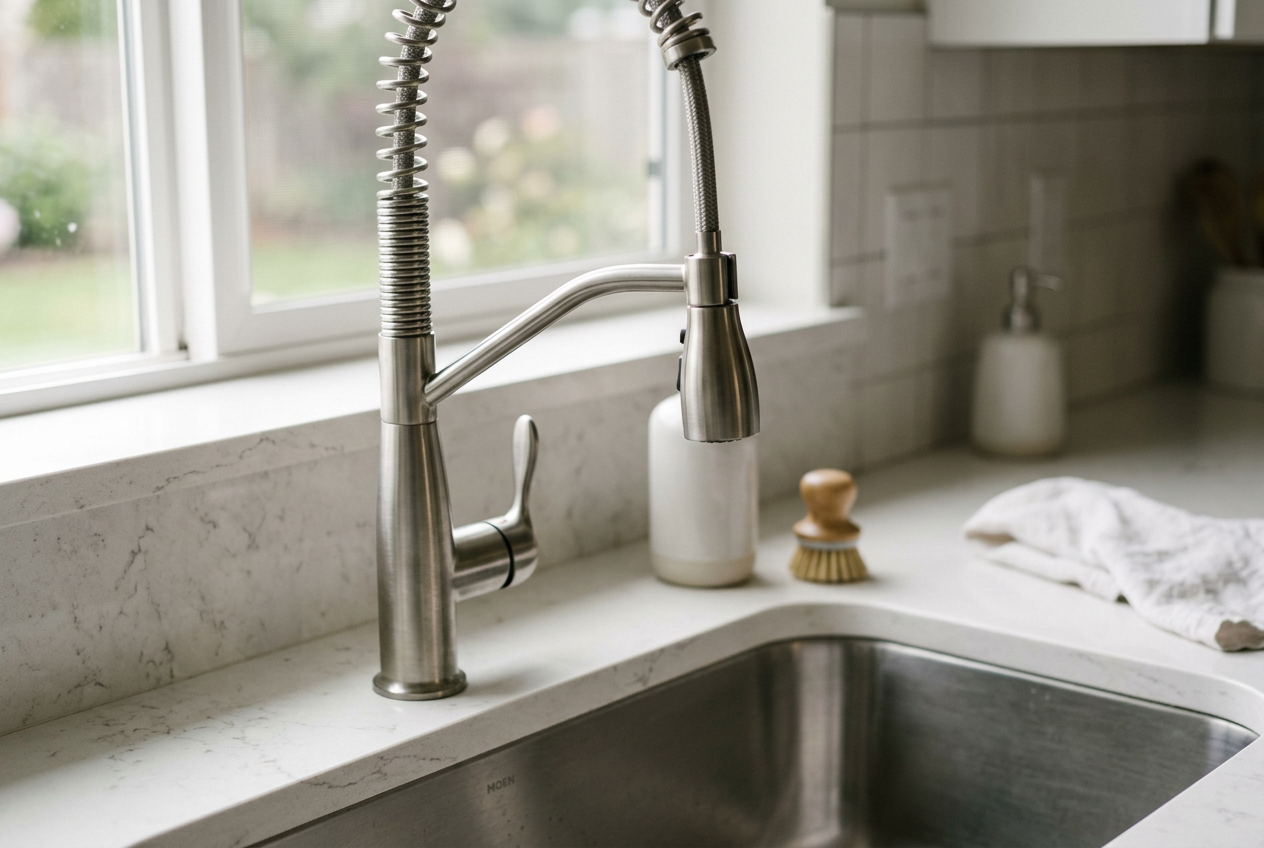
Installing a garden tap might seem like a straightforward weekend job, but in New Zealand, connecting any new tap to your home's water supply is classified as restricted plumbing work under the Plumbers, Gasfitters, and Drainlayers Act 2006. This means the actual connection to your existing pipework must be carried out — or directly supervised — by a licensed tradesperson. That said, there are parts of the job a handy homeowner can tackle, and understanding where the line sits will save you time, money, and potential legal headaches.
What Makes It Restricted Work?
In New Zealand, restricted plumbing work is defined as any work on the pipes and fittings that form part of a sanitary plumbing or water supply system. Tapping into an existing cold-water pipe to add a new garden tap outlet falls squarely into this category. The Plumbers Gasfitters & Drainlayers Board (PGDB) oversees licensing and can tell you exactly what work requires a licence. Doing restricted work yourself — or hiring an unlicensed person — can result in fines, insurance issues, and problems when you sell your home.
What Can a Homeowner Do?
While the pipe connection itself is off-limits, there are several tasks you can legally handle yourself:
- Planning the tap location — decide where you want the tap on an exterior wall, considering hose reach and proximity to existing pipework inside.
- Digging trenches — if you want to run a pipe underground to a tap further from the house, you can dig the trench yourself.
- Purchasing materials — buying the tap, fittings, pipe, and wall plate from a supplier like Bunnings or Mitre 10 ahead of time can reduce your plumber's time on site.
- Drilling the wall penetration — in some cases, homeowners drill the hole through the exterior wall for the pipe to pass through, though confirm this with your plumber first.
- Connecting a hose to a finished tap — once the licensed work is done and signed off, everything downstream of the tap is yours to manage.
Does It Need a Building Consent?
In most cases, installing a single garden tap is exempt from building consent under Schedule 1 of the Building Act 2004 — but this depends on the specifics of your situation. You should always confirm with your local council before starting work. Even when consent isn't required, the plumbing work still needs to be done by a licensed plumber and comply with NZ Building Code clause G12 (Water Supplies), which covers safe drinking water, adequate pressure, and backflow prevention.
Backflow prevention is worth highlighting: a garden tap must include an appropriate backflow prevention device (such as a hose union backflow preventer) to stop contaminated water from being siphoned back into your home's drinking water supply. Your plumber will know what's required to meet MBIE Building Performance standards.
What Will a Plumber Actually Do?
A licensed plumber will typically:
- Locate a suitable cold-water pipe to tee off from
- Cut into the existing pipe and install a tee fitting
- Run new pipe (often copper or CPVC) to the exterior wall
- Install the wall plate and garden tap with correct backflow prevention
- Test for leaks and pressure
- Issue a Certificate of Compliance (CoC) for the work
That CoC is important — it's your legal record that the work was done correctly and to code. Keep it with your home's records.
How Much Might It Cost?
As a rough guide only, a straightforward garden tap installation by a licensed plumber in NZ might range from around $200–$500 depending on your region, the complexity of accessing existing pipework, and whether materials are included. Get at least two quotes from local plumbers — you can find qualified tradespeople in your area on tradedirectory.co.nz.
Choosing the Right Tap and Fittings
Garden taps in NZ are typically ¾ inch (20mm) hose union taps made from brass or chrome-plated brass. Look for products that comply with AS/NZS 4020 (products in contact with drinking water). Your plumber can advise on suitable products, or you can browse options at Mitre 10 or PlaceMakers beforehand.
When to Call a Professional
You should always engage a licensed plumber for:
- Any connection to your home's existing water supply pipes
- Installing backflow prevention devices
- Work that needs a Certificate of Compliance
- Any situation where you're unsure about pipe materials, pressure, or location
Attempting restricted plumbing work yourself is illegal under the Plumbers, Gasfitters, and Drainlayers Act 2006, and could void your home insurance or cause issues during a property sale. It's simply not worth the risk. Find a trusted local plumber on tradedirectory.co.nz.
Safety Note
Before any work begins, know where your home's toroidal stopcock (main water shutoff) is located. In an emergency — or during installation — you'll need to turn off the water supply quickly. If you're unsure where it is, ask your plumber to show you.