Installing a bathroom exhaust fan in New Zealand is partly a DIY job and partly restricted electrical work — meaning some steps legally require a licensed electrician. The short answer is: you can do the physical mounting and ducting yourself, but any new wiring or connection to your home's electrical circuit must be carried out (or supervised and certified) by a registered electrician. Getting this wrong isn't just a legal issue — it's a genuine safety risk in a wet environment.
Why Bathroom Exhaust Fans Matter
Good ventilation is more than a comfort issue. Under the NZ Building Code, clause G4 requires adequate ventilation in habitable and sanitary spaces. For rental properties, the Healthy Homes Standards also require sufficient ventilation in bathrooms. A quality exhaust fan removes moisture, reduces mould growth, and protects your home's structure — all important in New Zealand's varied and often humid climate.
What Is Restricted Electrical Work?
Under the Electricity Act 1992 and its regulations, restricted electrical work (REW) is any work on fixed wiring in your home. This includes:
- Installing a new circuit or adding a circuit from the switchboard
- Connecting the fan to existing wiring in the wall or ceiling
- Installing or relocating a light switch or timer switch wired into the mains
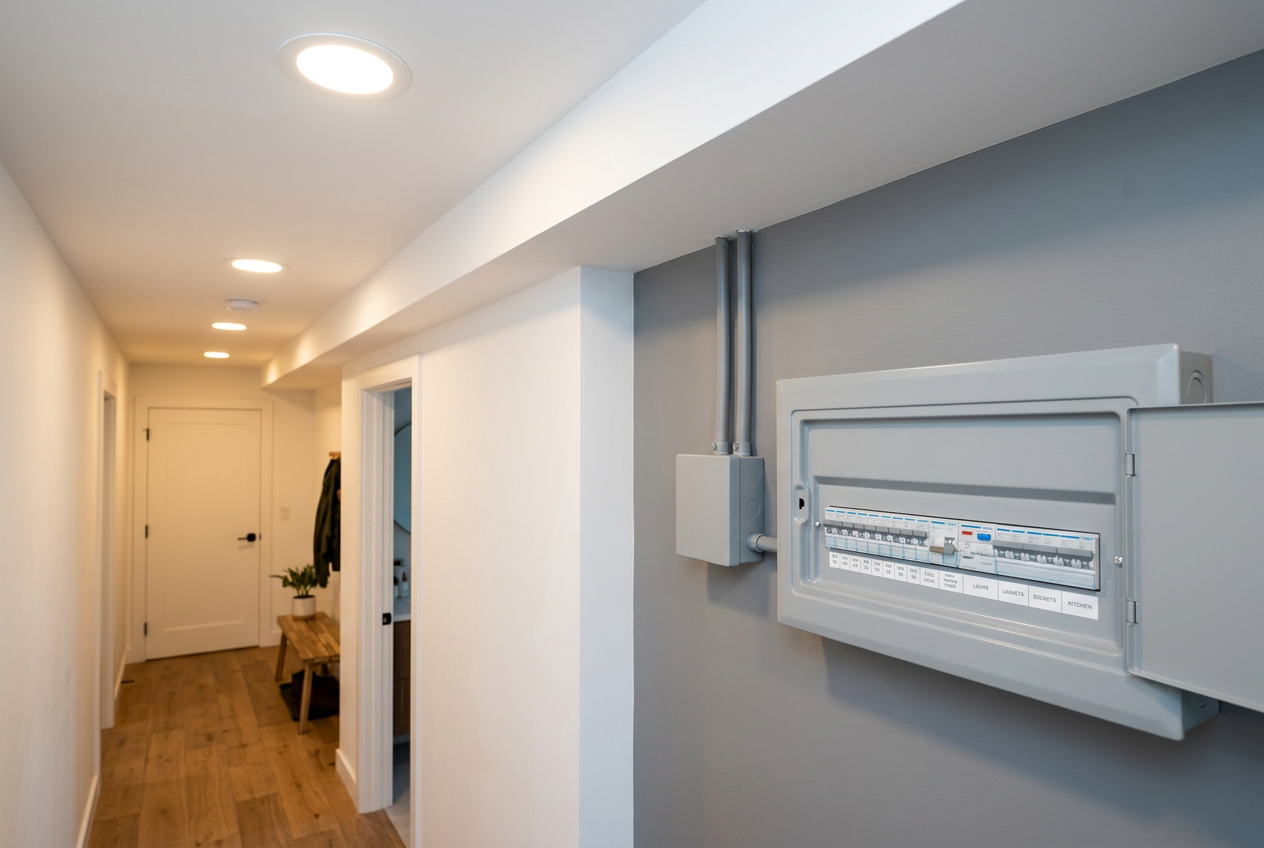
- Any work inside your switchboard
Only a registered electrician — listed with the Electrical Workers Registration Board (EWRB) — can legally carry out REW. Once the work is done, they must issue you a Certificate of Compliance (CoC), which you should keep with your home records. Doing this work yourself (or having an unlicensed person do it) is illegal, can void your home insurance, and creates serious fire and electrocution hazards.
What Can a Homeowner Do Themselves?
There is still a meaningful DIY role here. As a homeowner, you can legally:
- Choose and purchase the exhaust fan unit
- Cut the ceiling or wall opening for the fan housing
- Mount the fan housing in the ceiling or wall
- Install the ducting from the fan to the outside (through the eave, soffit, or wall)
- Install the external vent cover on the outside of the house
Doing this prep work yourself before the electrician arrives can save on labour costs, as the sparky only needs to handle the wiring and certification.
Choosing the Right Fan
Before you buy, consider these factors:
| Factor | What to Look For |
|---|---|
| Extraction rate | Aim for at least 25 L/s (litres per second) for a standard bathroom |
| Noise level | Measured in sones — lower is quieter |
| Duct size | Match to your chosen duct run (100 mm or 150 mm are common) |
| Timer or humidity sensor | Useful for energy efficiency and moisture control |
| IP rating | Must be suitable for bathroom zones (check manufacturer specs) |
Brands like Manrose, Fantech, and Clipsal are widely available at Bunnings and Mitre 10. Always check the product is rated for bathroom use.
Ducting: Getting It Right
Poor ducting is one of the most common exhaust fan mistakes. Key points:
- Always duct to the outside — never into the ceiling cavity, roof space, or wall cavity. Dumping moist air into your roof space causes serious moisture damage and mould.
- Use rigid or semi-rigid ducting where possible; flexible ducting should be kept as short and straight as possible.
- Seal all duct joints with foil tape (not standard duct tape, which degrades).
- Fit a backdraft damper at the external vent to stop cold air and pests entering when the fan isn't running.
- Insulate ducting in cold roof spaces to prevent condensation inside the duct.
For guidance on moisture management in buildings, BRANZ is an excellent NZ-specific resource.
Do You Need a Building Consent?
In most cases, replacing an existing exhaust fan in the same location is exempt from building consent under Schedule 1 of the Building Act. However, installing a brand-new fan where there wasn't one before may require consent — this depends on your specific situation and local council. Always check with your local council before starting work to confirm whether consent is needed. You can find general guidance at MBIE Building Performance.
Safety Note
Bathrooms are Zone 1 and Zone 2 electrical environments — the presence of water makes electrical safety critical. Never attempt to connect or disconnect any wiring yourself, even if the circuit breaker is off. Always have a licensed electrician carry out and certify all electrical connections.
When to Call a Professional
Call a registered electrician for:
- All wiring connections to the fan
- Installing a new dedicated circuit or timer switch
- Any work at the switchboard
- Fault-finding if an existing fan stops working
If you're unsure about any part of the job — including the ducting route or ceiling structure — it's worth getting a professional opinion. You can find qualified, local electricians on tradedirectory.co.nz.
Sources & Further Reading
- EWRB – Electrical Workers Registration Board — verify your electrician's registration
- MBIE Building Performance – Building Code — consent requirements and NZ Building Code
- Tenancy Services – Healthy Homes Standards — ventilation requirements for rental properties
- BRANZ — NZ building science and moisture research
- WorkSafe NZ — electrical safety guidance
- Energywise — energy-efficient ventilation tips